
Companies using video in their product launches report up to 49% faster revenue growth. But for industrial products, results don’t come from the videos alone, but from how clear they are. Industrial products involve systems, components, and performance details that aren’t immediately visible. If your animation doesn’t explain those clearly, it creates confusion instead of confidence.
Many brands make the mistake of hiring a 3D animation studio that delivers strong visuals but lacks the ability to translate engineering into clear visual communication. The video looks polished, but it doesn’t help buyers understand anything. Finding the right studio is a decision that shapes everything.
This guide will walk you through exactly how to hire a 3D animation studio for an industrial product launch video — what to look for, what to ask, and what to walk away from.
Why Your Industrial Product Launch Video Needs Specialization
General animation studios produce great work, especially for consumer apps, lifestyle brands, and entertainment. It’s a different case for industrial products.
Products such as hydraulic systems and high-efficiency water heaters are built for buyers who care about torque specifications, installation clearances, and certifications. They are evaluated by procurement teams, engineers, and C-suite decision-makers who will notice technical inaccuracies immediately.
A studio without any engineering or manufacturing experience will either oversimplify or ask you to do a lot of explanatory hand-holding. Either way, you’ll end up spending more time managing the creative process than running your launch.
A specialized 3D animation studio for industrial product launch videos brings a different level of capability:
- Works directly from CAD and engineering data for accuracy and efficiency
- Experience working with engineers/SMEs – we understand how to visually communicate complex systems and processes
- Knows how to create content that builds confidence and resonates with technical buyers
Instead of managing the creative process, you’re working with a partner that understands your product and helps move your launch forward with confidence. If you want to understand the full range of available formats before you hire, our guide to the 7 types of product animation every brand should know is a useful starting point.
Step 1: Define What “Success” Looks Like
Before you pick up the phone or submit an inquiry form, get clear on your project fundamentals.
Who is this video for?
Different audiences need different levels of detail. A distributor-focused video won’t look the same as one built for engineers evaluating specs.
Where does it live in your sales process?
Awareness videos and technical explainers require different pacing and depth. If a studio doesn’t ask this early, they’re likely working from a template.
What does your buyer need to feel, understand, or decide after watching?
The best industrial launch videos answer one of three questions:
- What does this product do?
- Why is this better than what I’m already using or competitive products?
- How does this fit into my existing system?
What assets do you have?
Do a quick audit of your available assets. This includes CAD files, engineering drawings, specifications, reference photos, and any existing product photography. These materials directly impact what a studio can create and how quickly production can begin.
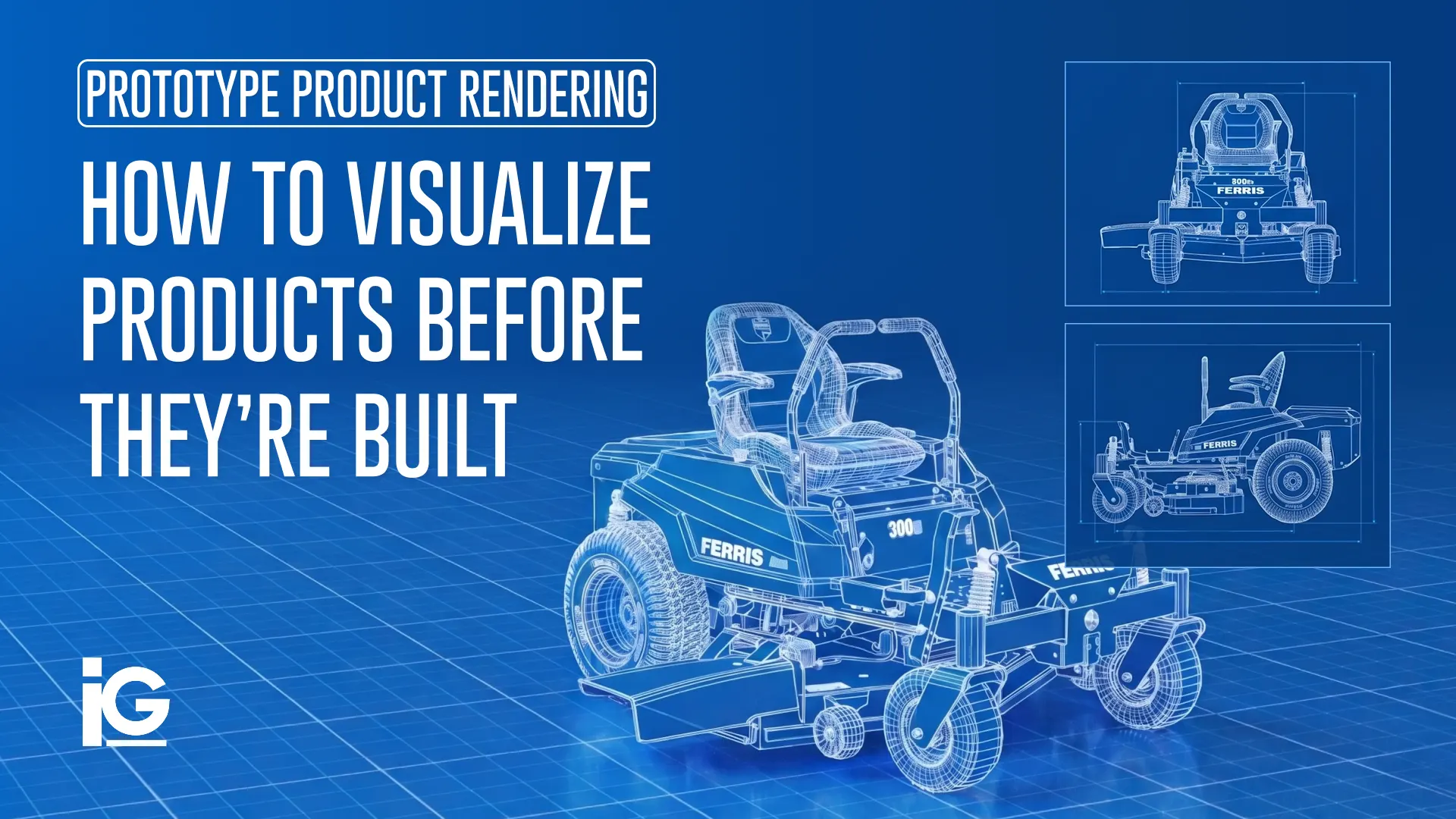
Studios that can work from CAD data have a clear advantage. They can start building visuals even before the physical product is available. More of that in our blogs on 3D animation for pre-market presentations.
Step 2: Evaluate Their Portfolio for Industrial Relevance
A strong reel for consumer brands doesn’t automatically translate to industrial capability. You need to assess whether the studio can handle technical complexity, not just visual appeal.
Look for these indicators:
Technical Accuracy
Pay attention to how components interact and how materials are rendered. Metal should look and behave like metal in the same way that rubber should compress and respond naturally.
Exploded Views, Special Effects and Cutaway Animations
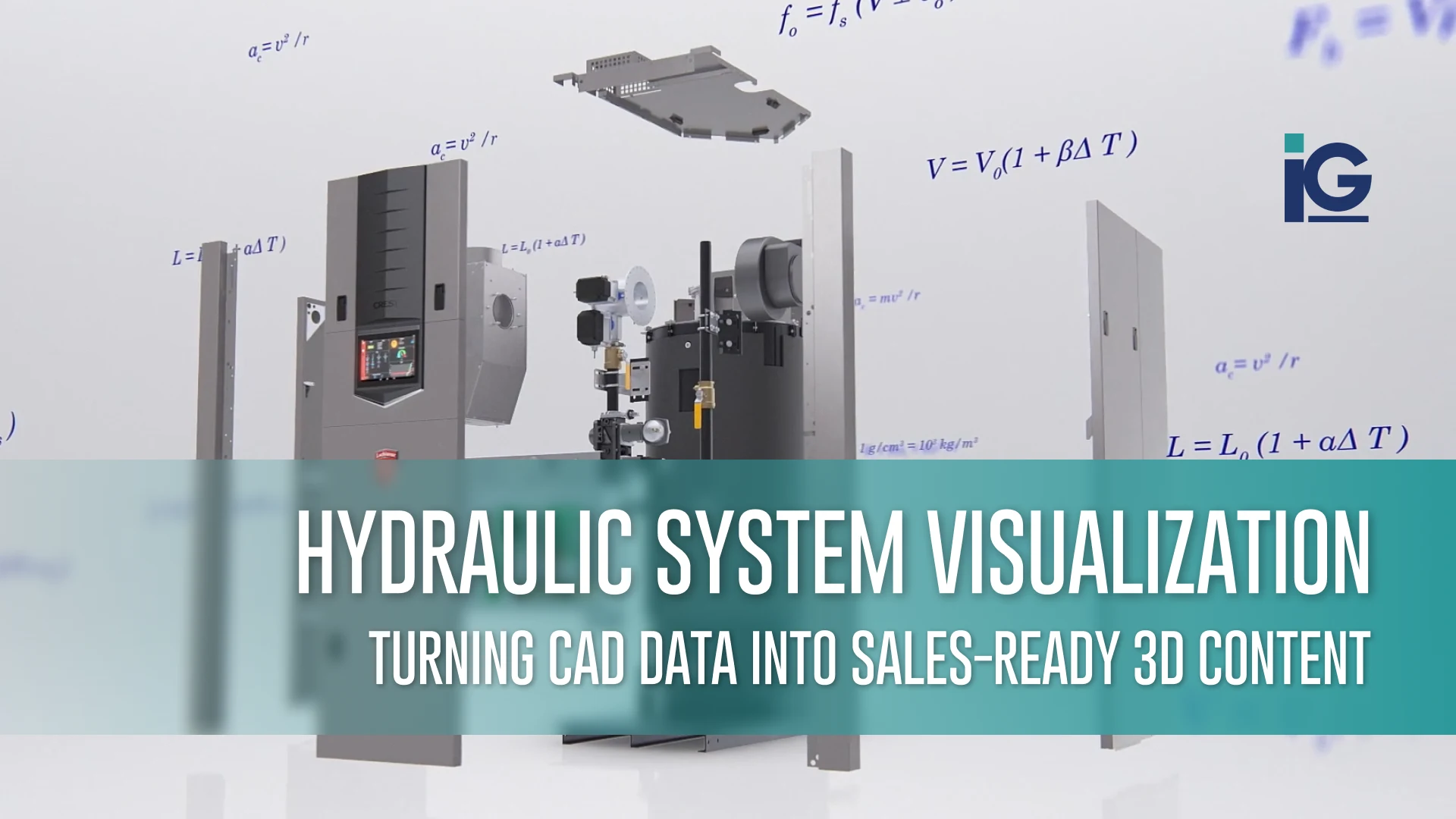
These are almost exclusively requested by industrial and manufacturing brands. They show how internal components function and how systems come together. A studio that has produced them before understands what a product manager actually needs to communicate.
Experience in Multiple Contexts
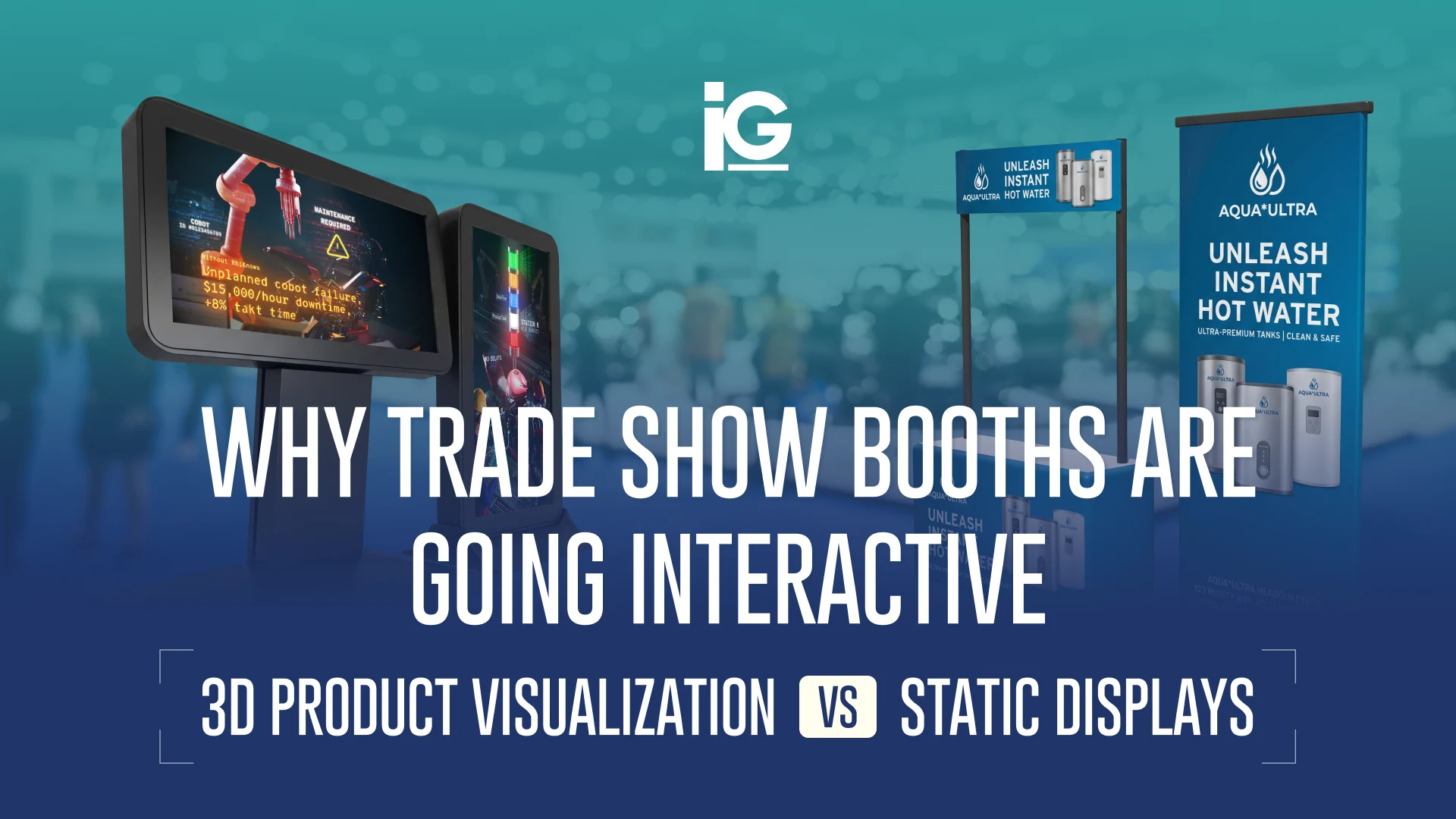
Check if their work appears in environments like trade shows, facility installations, technical demos, or real-world use cases. This range signals that the studio knows how to position products in different settings.
Brands with Similar Complexity
A studio that has produced animations for HVAC systems, commercial hardware, precision tools, or similarly technical products has already solved the problems your launch video will face. That experience shortens the learning curve and reduces risk.
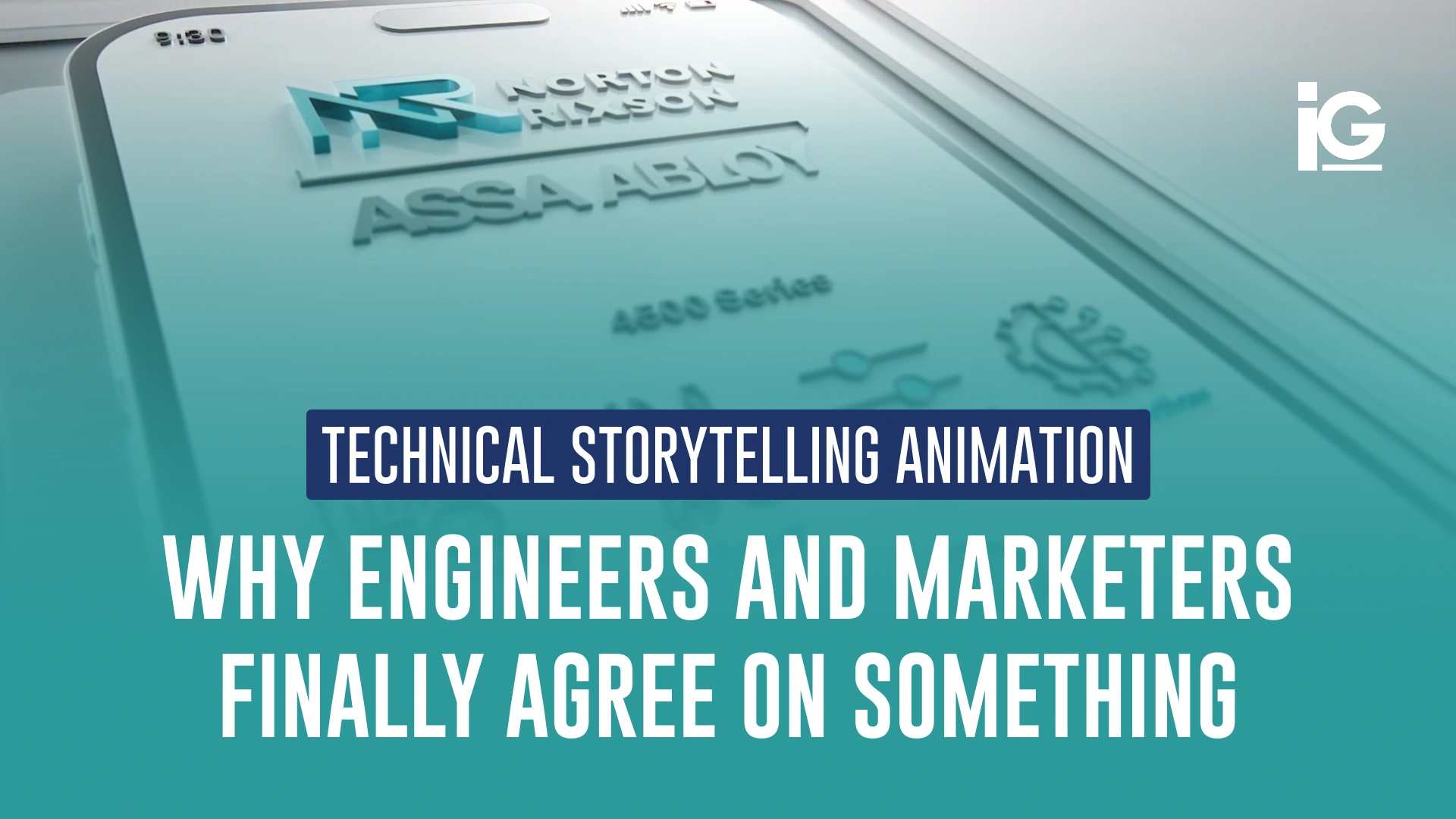
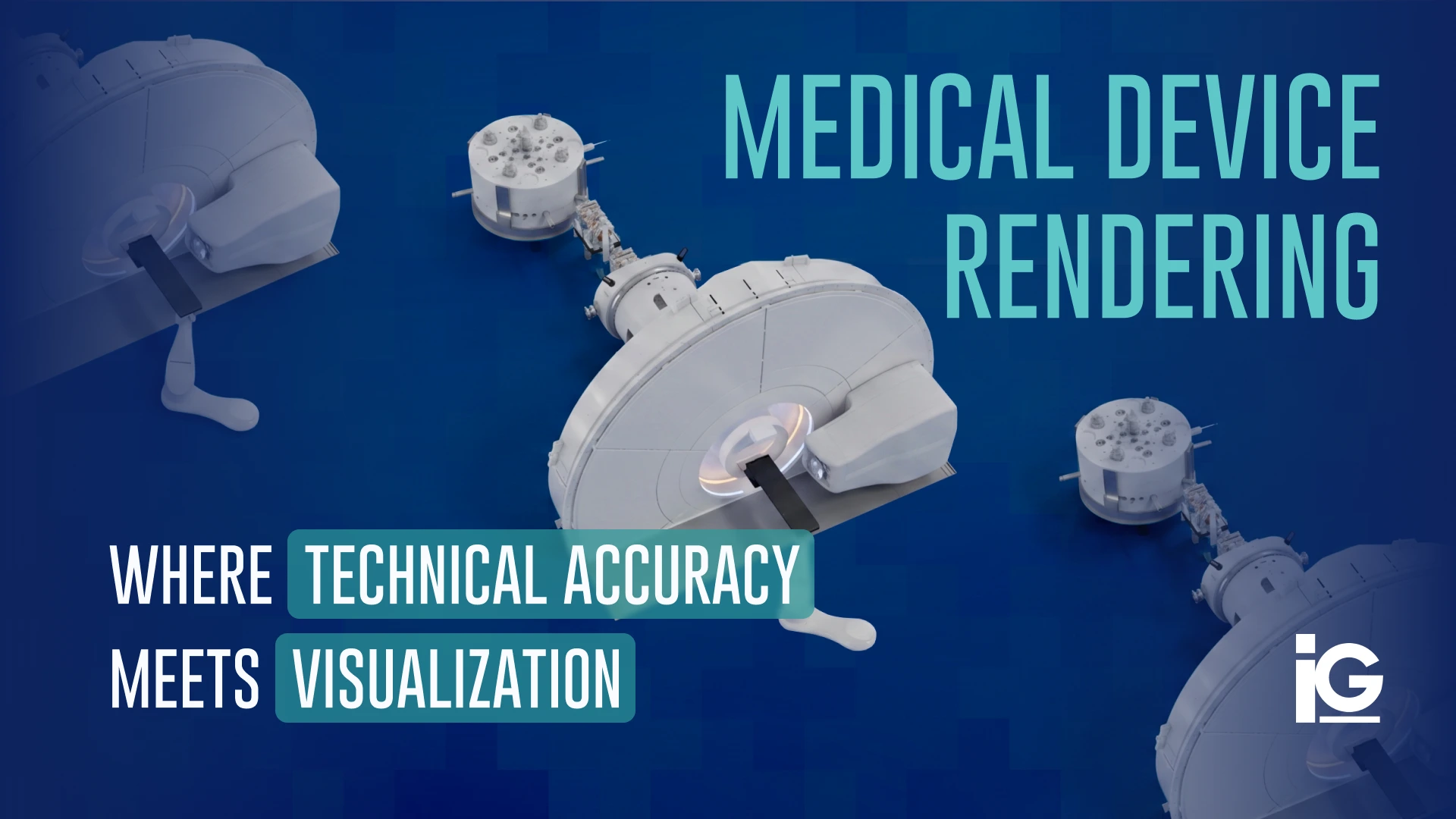
At Info-Graphics, our portfolio includes animations for industrial manufacturers, including Lochinvar, Cleco Tools, BendPak, and Norton Rixson. We’ve worked in categories where technical accuracy, engineering credibility, and buyer sophistication define what “good” actually means. You can explore our animation work here.
Step 3: Ask the Right Questions
A great studio welcomes detailed questions. These are the ones that matter most:
- Can you work from our CAD files?
- What does your discovery process look like?
- Who will we work with day-to-day?
- How do you handle technical accuracy review?
For a full look at what drives production costs and scope, check out our guide on how much an explainer video costs, which covers the major variables.
Step 4: Invest in a Strong Creative Brief
Even the most capable studio will produce a mediocre launch video without a clear brief. Make sure you have one that covers what your product does, what makes it different, your target audience, the goal, and even the delivery specs you require. List down even details like aspect ratio, duration, file format, and where the video will live.
We did a deep dive into this on one of our blogs. Read the full process and see examples here: How to Create a Product Launch Video for Complex Products.
Step 5: Judge the Process, Not Just the Portfolio
The studios worth hiring follow a consistent production process. A studio that tries to cut down or shorten its process just to move faster is trading your revision flexibility for their convenience. This is a red flag for industrial products where technical accuracy is non-negotiable.
The best industrial animation studios are also not afraid to ask more questions. You’ll know a studio is good if they can articulate the difference between a launch video and an explainer without being prompted, and have a documented workflow they can walk you through clearly.
Working with Info-Graphics
For over 25 years, Info-graphics has been producing 3D animation and technical visual content for industrial manufacturers and complex product brands. Our work spans product launch videos, 3D explainer animations, interactive demos, and the full ecosystem of content that supports a product throughout its sales cycle.
We’re based in Knoxville, Tennessee, but our work reaches far beyond it. From the beginning, our focus has been simple: make complex things easier to understand. Our team brings together a mix of technical backgrounds and experience in visual storytelling.
On a practical level, that means we:
- Work directly from CAD and engineering data
- Follow a structured discovery and briefing process
- Collaborate efficiently with both marketing and engineering teams
Whether you’re still planning a launch or ready to move into execution, connect with our team so we can help you map out the right approach. You can also explore our full animation portfolio and featured work to see how we’ve approached industrial product launches across categories.


Leave A Comment