
A well-produced product launch video is one of the most powerful tools a brand can have. When your product is technical, multi-component, or difficult to explain, the right video closes that gap, giving buyers exactly what they need to understand your product, trust your brand, and move forward.
According to DemandSage’s 2026 Video Marketing Statistics, 82% of people say watching a video directly influenced a purchase decision, and 95% of marketers now consider video a crucial part of their strategy. For complex products, especially video is increasingly the format that does the explaining, a brochure or datasheet simply cannot.
What Is a Product Launch Video?
A product launch video (also called a product intro or product reveal video) is a short marketing video that introduces a new product to the public, communicates its core value, showcases key features, and motivates viewers to take the next step. As Adobe describes, video marketing creates an intimate bond between product and buyer that text simply cannot replicate.
What makes this format particularly valuable for complex products is the nature of the audience it needs to serve. A technical product has to educate a procurement team, satisfy an engineer, and give a decision-maker enough confidence to act, often all in under two minutes. The best launch videos handle all of this by educating buyers about the product, building trust in the brand behind it, and motivating the right next action before a sales rep ever gets on a call.
At Info-graphics, we help manufacturers and product brands do exactly this through 3D product animation, interactive demos, and instructional design tailored to complex products.
Case Study: Norton Rixson Door Opener Launch Video
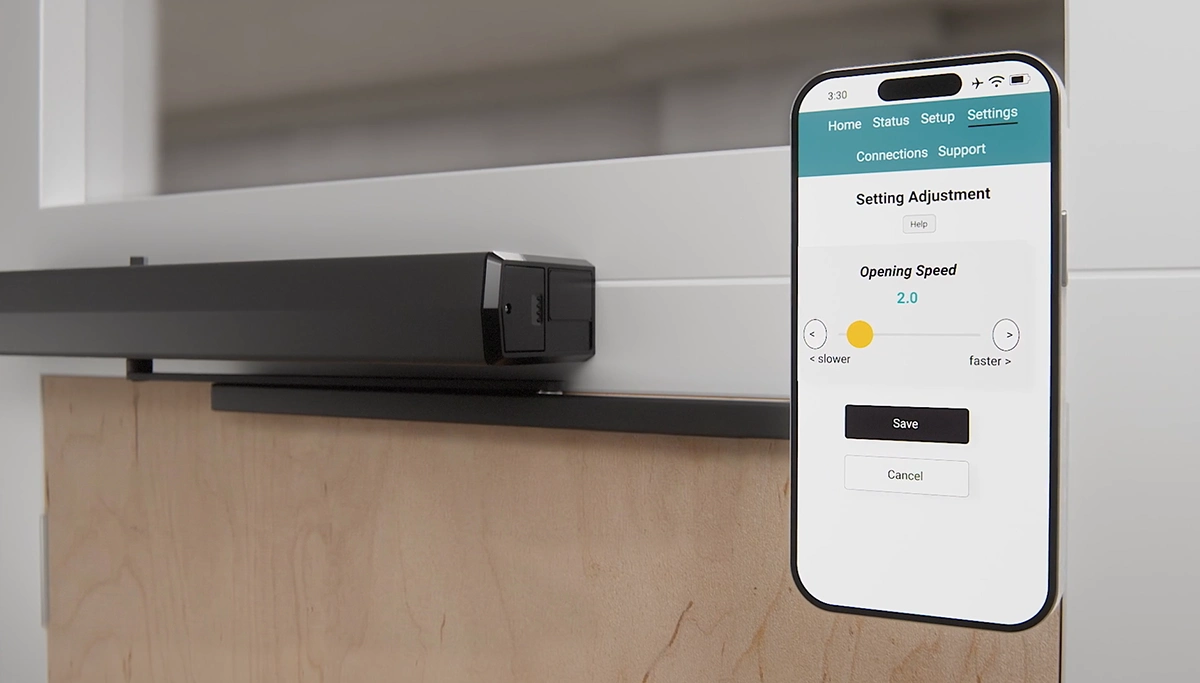
Norton Rixson is a century-old commercial door hardware manufacturer and ASSA ABLOY brand, trusted by facility managers, architects, and building professionals worldwide. When they came to Info-graphics, they had a strong product — a series of smart, easy-to-install door openers designed to create a unified look across all doors within commercial buildings. Versatile, well-engineered, and built to outperform the competition. What they needed was a video that could show it.
Info-graphics developed a 3D product animation that brought every feature and benefit to life with a level of detail that live footage simply cannot match, from internal mechanics to installation sequence to the finished look on a commercial door. The goal was simple: give buyers a reason to choose Norton Rixson before a sales rep ever made the case. The full case study shows exactly how.
What Makes a Product Launch Video Successful?
As Adobe notes, the most effective marketing videos are built around a story rather than a specific selling point. For complex products, that story almost always begins with the problem. Buyers engage because they recognize a challenge in their work and want to know if what they’re watching can solve it. These are the 6 elements that bring that story to life.
1. Hook in Under 3 Seconds
Open with a specific problem statement or a bold visual that speaks directly to your buyer’s world. For complex products, the fastest way to earn attention is to show the product doing exactly what it was built to do, in the environment for which it was built.
2. Problem-to-Solution Framing
While it’s not a universal rule, the most creative launches lead with the problem. Buyers don’t want a sales pitch; they want to feel understood. A truly effective launch video earns its “big reveal” by making the viewer feel the friction of life without your product.
3. High-Quality Product Visuals:
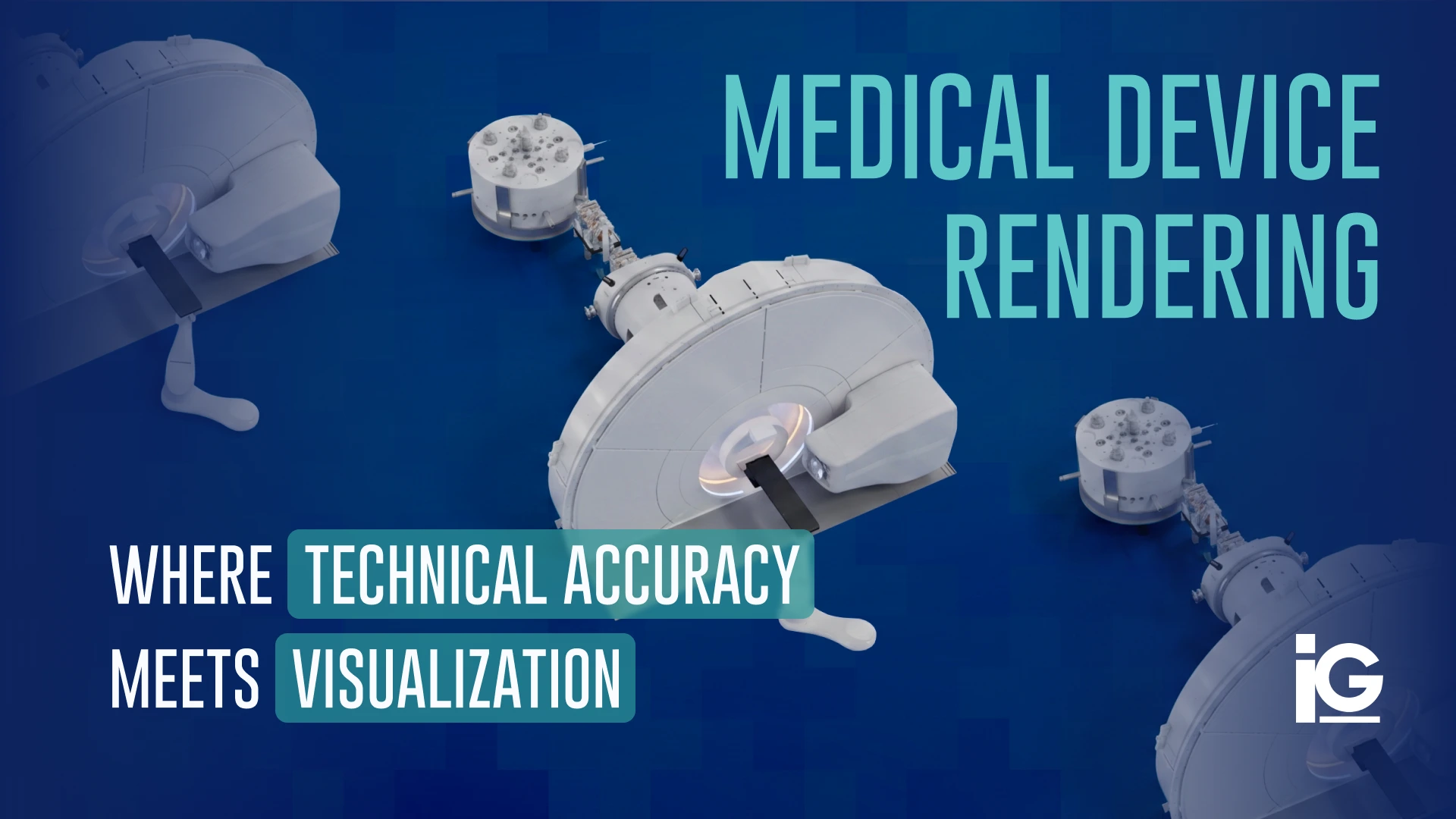
Buyers are 34% more likely to remember product details after watching a video than reading a datasheet. For technical products, 3D animation outperforms live footage every time. It reveals internal components, installation steps, and product details that a camera simply cannot capture. The Norton Rixson launch video is a clear example, using detailed 3D animation to showcase features, benefits, and installation in a way live footage simply could not. Here are the types of product animation worth considering for your product.
4. The “Why Different” Moment
Your buyers are evaluating alternatives. Your video needs to answer clearly: why this over everything else? This means highlighting the specific features and benefits that add value and separate your product from the competition, not just what it does, but what makes it the smarter choice.
5. The Right CTA
Match your call to action to where buyers are in the decision process. “Request a Demo,” “Download the Spec Sheet,” or “Contact Your Rep” will always outperform “Shop Now” among considered buyers. One CTA only, and keep it focused.
6. Captions and Accessibility
Product videos are consumed in open offices, during commutes, and on mobile devices. According to Wistia’s 2025 State of Video Report, captioned video use has grown 572% since 2021. Captions ensure your message lands regardless of environment and signal the professionalism a discerning buyer notices.
How to Make a Product Launch Video: Our 6-Step Process
Every product launch video we produce at Info-graphics follows the same deliberate process. It starts with a deep understanding of the product, the buying committee, and where the video fits in the sales cycle. For complex products, a video that speaks to an engineer and one that speaks to a procurement director are two very different things.
Step 1: Understand Your Product, Audience, and Buying Committee.
We map out who the video needs to speak to, what each decision-maker cares about, and where the video fits in the sales process before a single line is written.
Step 2: Script and Storyboard.
We build a conversion-first script around the following: Hook, Problem, Solution, Key Features, and CTA. Every scene is storyboarded before production begins, so there are no surprises once rendering starts.
Step 3: Animation, Rendering, or Live Production
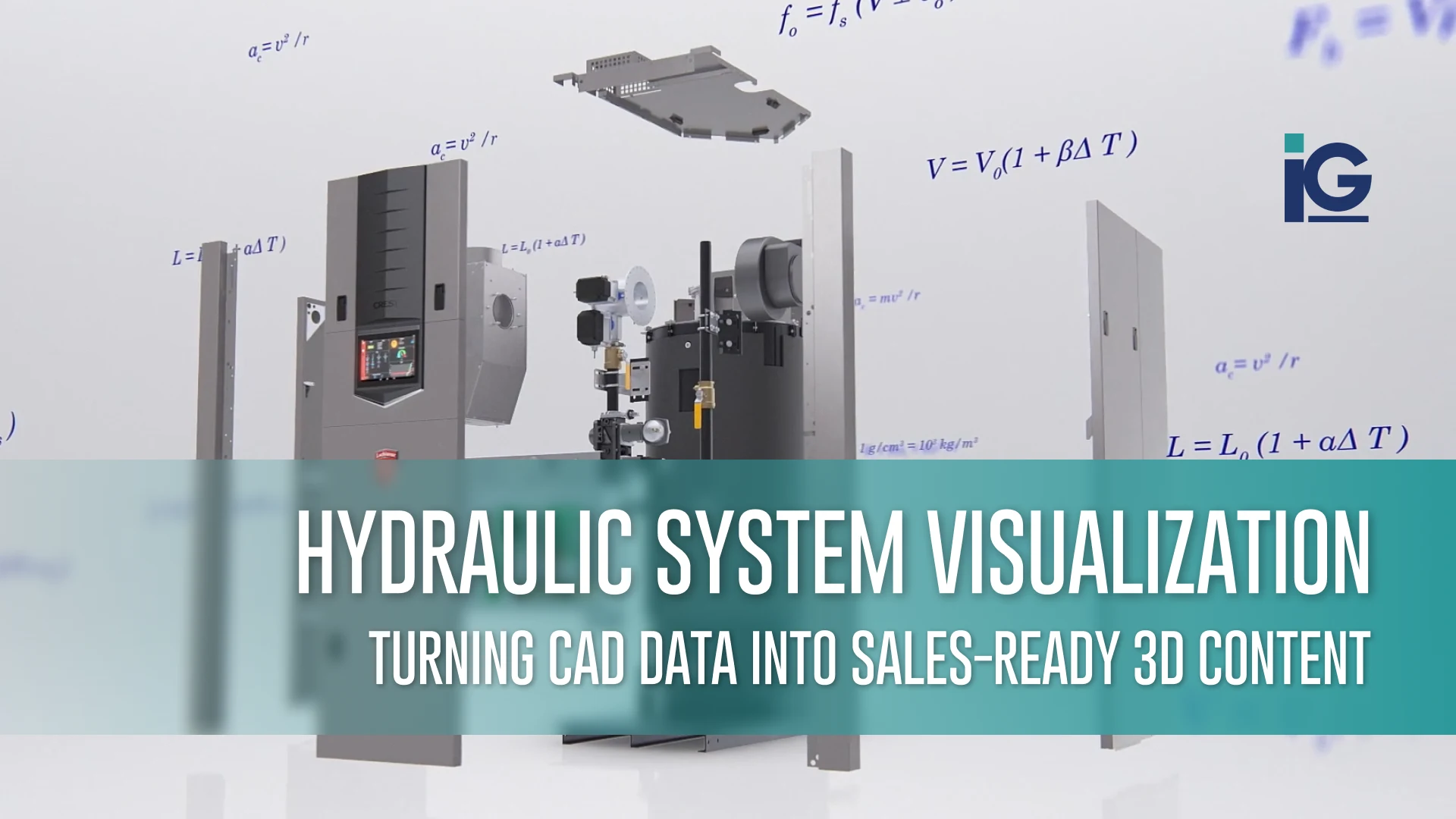
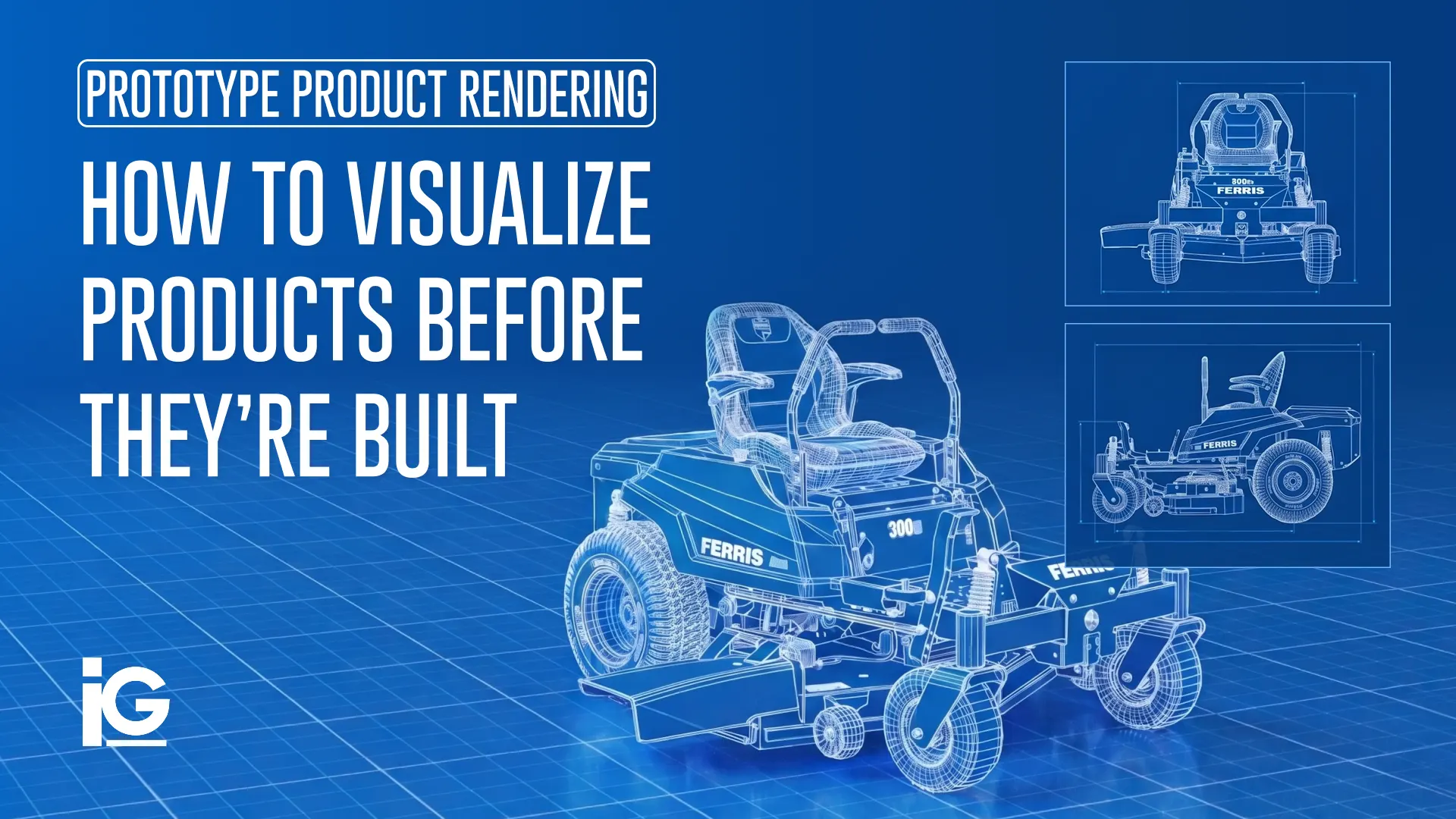
For technical and complex products, we default to 3D product animation. It shows internal mechanisms, installation sequences, and product details that live footage simply cannot. Production can also begin from CAD files before the physical product exists, a significant advantage for faster launches. Our team is one of the leading animation companies in Knoxville with a strong track record across hardware, industrial, and technical product launches.
Step 4: Edit and Motion Graphics
Every cut serves the narrative. We tighten to the target length and layer in motion graphics for feature callouts that inform without cluttering the frame.
Step 5: Voiceover, Music, and Captions
Professional voiceover, licensed music, and captions are included as standard because product videos are increasingly watched in environments where audio is unavailable.
Step 6: Deliver in Every Format You Need
16:9 for websites and YouTube, 1:1 for LinkedIn, 9:16 for short-form social, and optimized formats for trade show displays and sales presentations.
Where Does a Product Launch Video Fit in the Sales Cycle?
A product launch video isn’t just a one-time marketing asset. It works harder and longer than most brands expect.
At the awareness stage, it introduces the product to buyers who didn’t know they needed it. At the consideration stage, it provides procurement teams and engineers with the technical clarity needed to put your product on the shortlist. At the decision stage, it gives stakeholders something shareable and credible to present internally when building a business case.
The brands that get this right don’t just use their launch video at launch. They use it for months afterward in sales decks, trade show booths, distributor training, and email campaigns.
Frequently Asked Questions
What is the difference between a product intro video and a product reveal video?
A product reveal video is typically used at the time of the announcement to build anticipation around something new. A product intro video goes deeper, introducing the product’s core benefit, key features, and value proposition to buyers who are already actively evaluating it. For complex products, the intro video is the more important of the two because it speaks to an informed buyer rather than a general audience.
How long should a product launch video be?
For complex products, 90 to 120 seconds works best for landing pages and email campaigns, while 60 to 90 seconds performs well on LinkedIn and other social channels. Longer formats of 3 to 5 minutes are well-suited for YouTube or detailed demos shared directly with procurement teams. The rule is simple: as concise as possible while still delivering clarity and a clear next step.
How much does a product launch video cost?
Costs vary depending on production type, length, and complexity. For a full breakdown, see our guide on explainer video costs in the U.S. The same cost factors apply to product launch videos.
Work With a Product Launch Video Studio That Gets Complex Products
The brands that win at launch aren’t always the ones with the biggest budgets. They’re the ones with the clearest story. We’ve helped manufacturers like Norton Rixson, Hunter Fan, and Lochinvar tell theirs.







Leave A Comment