

Deciding to invest in product animation is the right first step. Maybe a competitor just launched a video that made your product pages feel dated. Maybe your sales team is exhausted from explaining the same complex features on every call. Maybe a static photo simply cannot communicate what your product actually does.
But there’s a question most brands skip straight past: which type of animation will actually solve your specific problem?
It matters more than it sounds. The wrong format means real budget spent on something that looks great and delivers nothing. At Info-Graphics, we’ve built a reputation helping industrial manufacturers and consumer brands navigate exactly this decision. Here are the seven types of product animation, and the specific role each one plays in your marketing funnel.
1. Product Launch Video
First impressions are made once. A product launch video is built around that reality.
This isn’t the format for explaining every feature or walking through technical specs. It’s cinematic, music-driven, and paced to generate a specific feeling: that this product matters, that it’s worth attention, that the brand behind it means business. The details come later. The launch video opens the door.
What makes it especially valuable for manufacturers is the timing. Because Info-Graphics builds directly from CAD data, a launch video can be production-ready before a single physical unit rolls off the line. Your marketing campaign doesn’t have to wait for your supply chain to catch up.
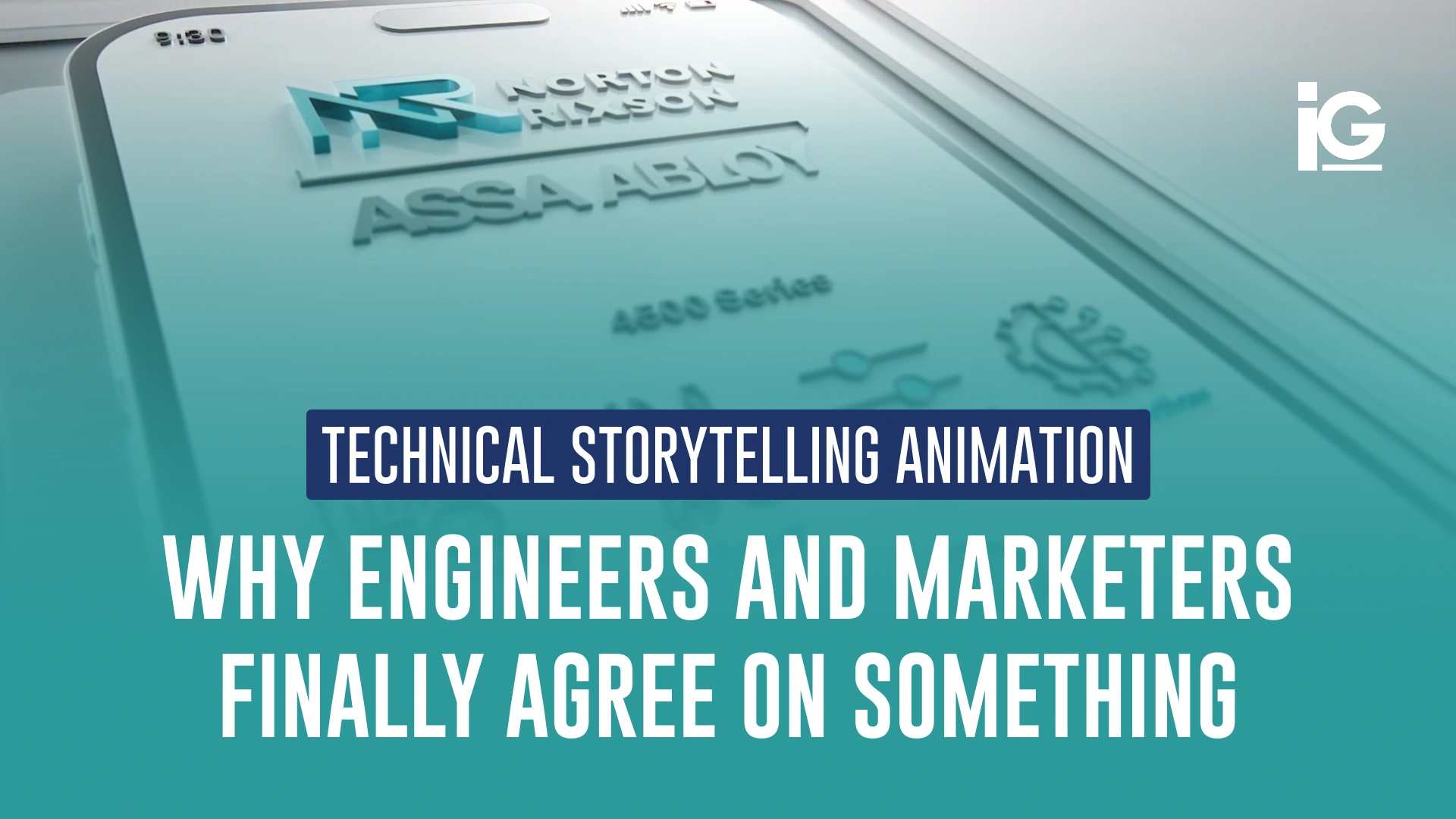
We produced a product launch video for Norton Rixson that introduced their precision commercial hardware to the market with the visual weight it deserved, built from engineering data and ready to deploy the moment the product was announced.

2. 3D Explainer / Feature Highlight Animation
There’s a moment in every sales process where enthusiasm has to give way to understanding. The prospect is interested but has questions. How does it actually work? What makes it better than what they’re already using? Why does the engineering matter?
That’s exactly the gap a feature highlight animation is built to close. It’s a mid-funnel tool, not a top-of-funnel one, and the distinction matters. Rather than generating excitement, it builds conviction. It gives prospects the clarity they need to move forward and gives sales teams a consistent, repeatable way to demonstrate complex products without needing a live demo.
The data backs it up. 85% of buyers report being convinced to purchase after watching a brand’s video, and, specifically in B2B, 70% of buyers watch videos throughout their entire path to purchase. A well-made explainer isn’t a nice-to-have. It’s doing active selling work.
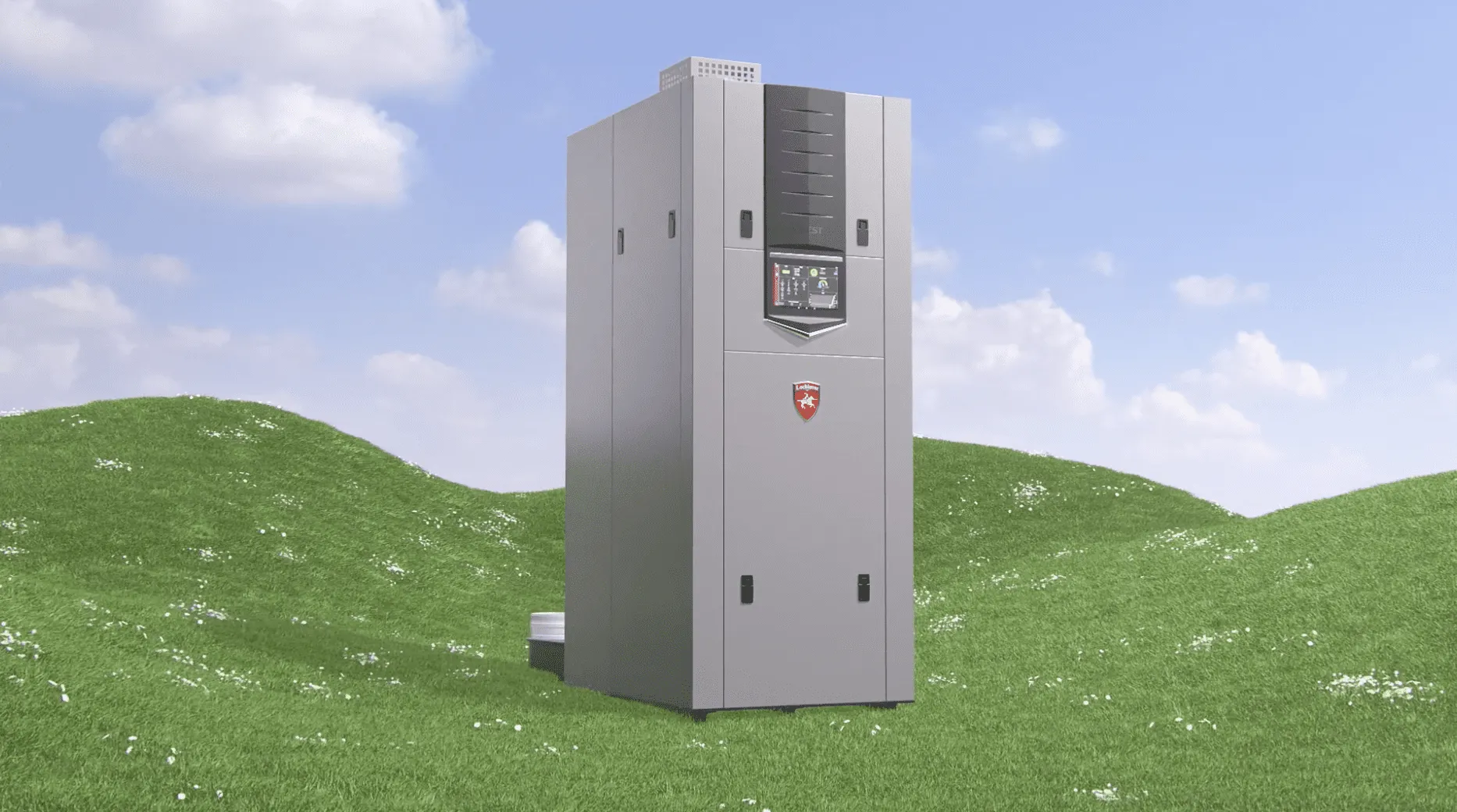
The Lochinvar Hellcat animation we produced tackled the challenge of communicating genuine technological superiority in a category where most buyers lead with price. The animation made the case visually, in a way that a spec sheet never could.
Our explainer video for Pointcore solved a different version of the same problem: a complex B2B offering that was difficult to explain quickly, simplified into something a prospect could grasp and act on in under two minutes.
3. How-To / Installation Animation
How many support tickets could a clear video have prevented? For most product companies, the answer is uncomfortable. Written instructions get skipped or misunderstood, and the downstream costs like returns, support calls, and frustrated customers all add up. Consider that 34% of shoppers cite poor product information as the main reason they returned an item. A how-to animation doesn’t just improve the buyer experience; it closes a gap that’s actively costing businesses revenue.
This is where Info-Graphics’ roots run deep. Built on instructional content, the company has helped brands reduce returns and improve post-purchase experience long before animation entered the picture. That technical foundation separates a genuinely useful how-to from one that looks good but doesn’t actually help anyone, and it works before the sale, too. A buyer who can clearly picture the installation process is far more likely to commit.
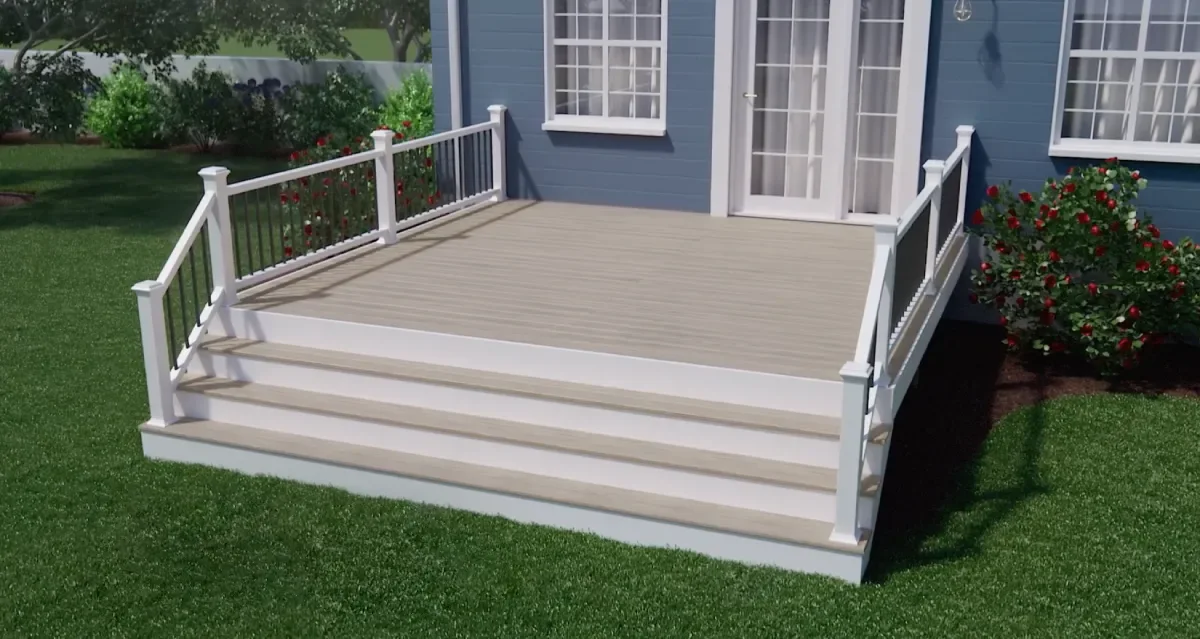
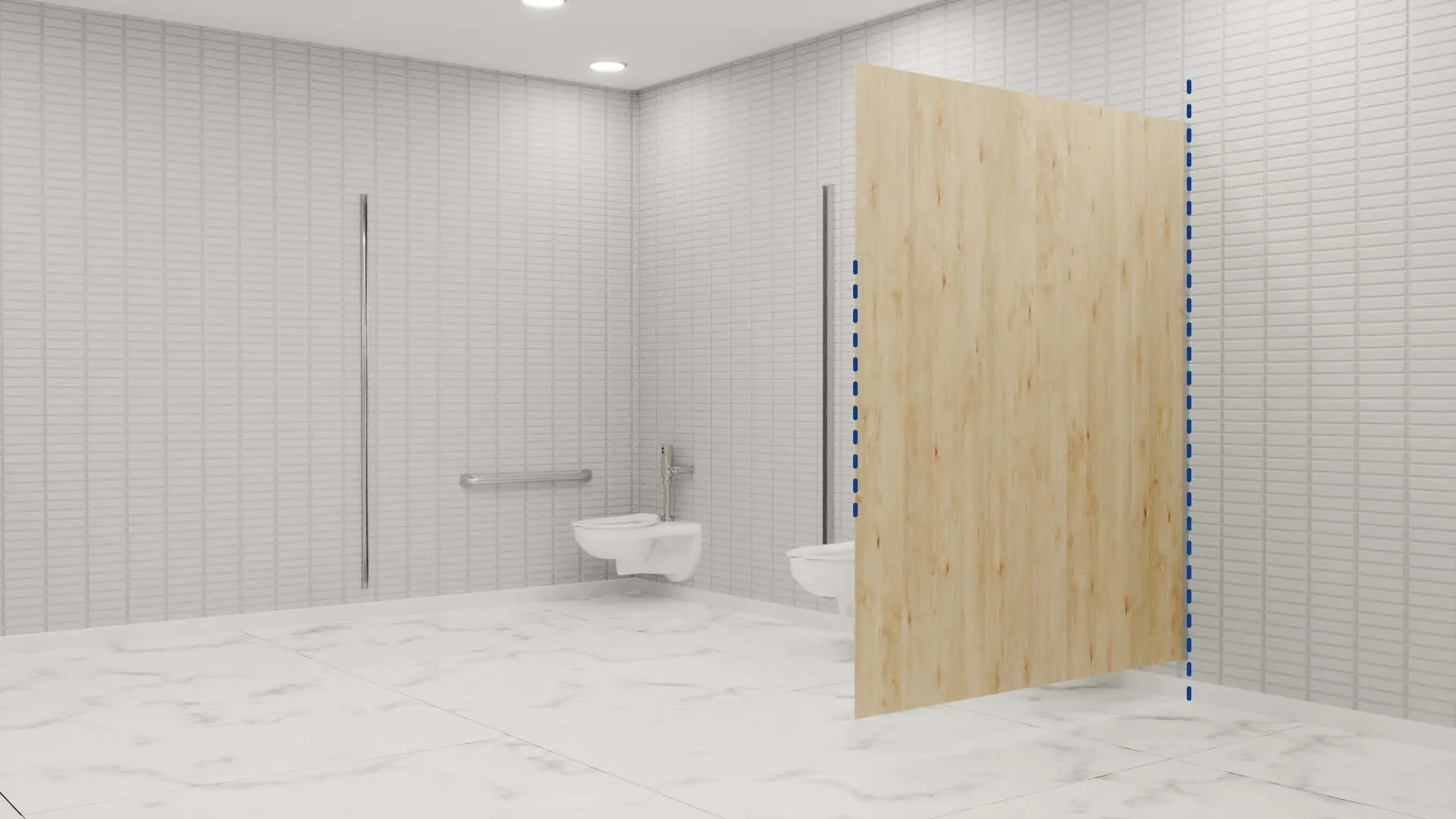
Our how-to animation for Trex Decking was produced to address a multi-step installation process that had historically led to errors when relying on printed instructions. The installation video we made for Bradley Corporation took on a commercial product used in professional environments where getting the installation wrong has real operational consequences, not just frustrated end users, but liability-aware contractors.
4. Trade Show / Event Loop
Walk a trade show floor and pay attention to what makes you stop. It isn’t the booth with the nicest tablecloth. It’s motion. It’s light. It’s something happening on a screen that catches your eye from thirty feet away before your brain has even decided to pay attention.
A trade show loop is designed entirely around that moment. It runs continuously, plays without sound, and doesn’t require the viewer to catch up from the beginning. Every few seconds, it earns another second of attention. That’s the whole job.
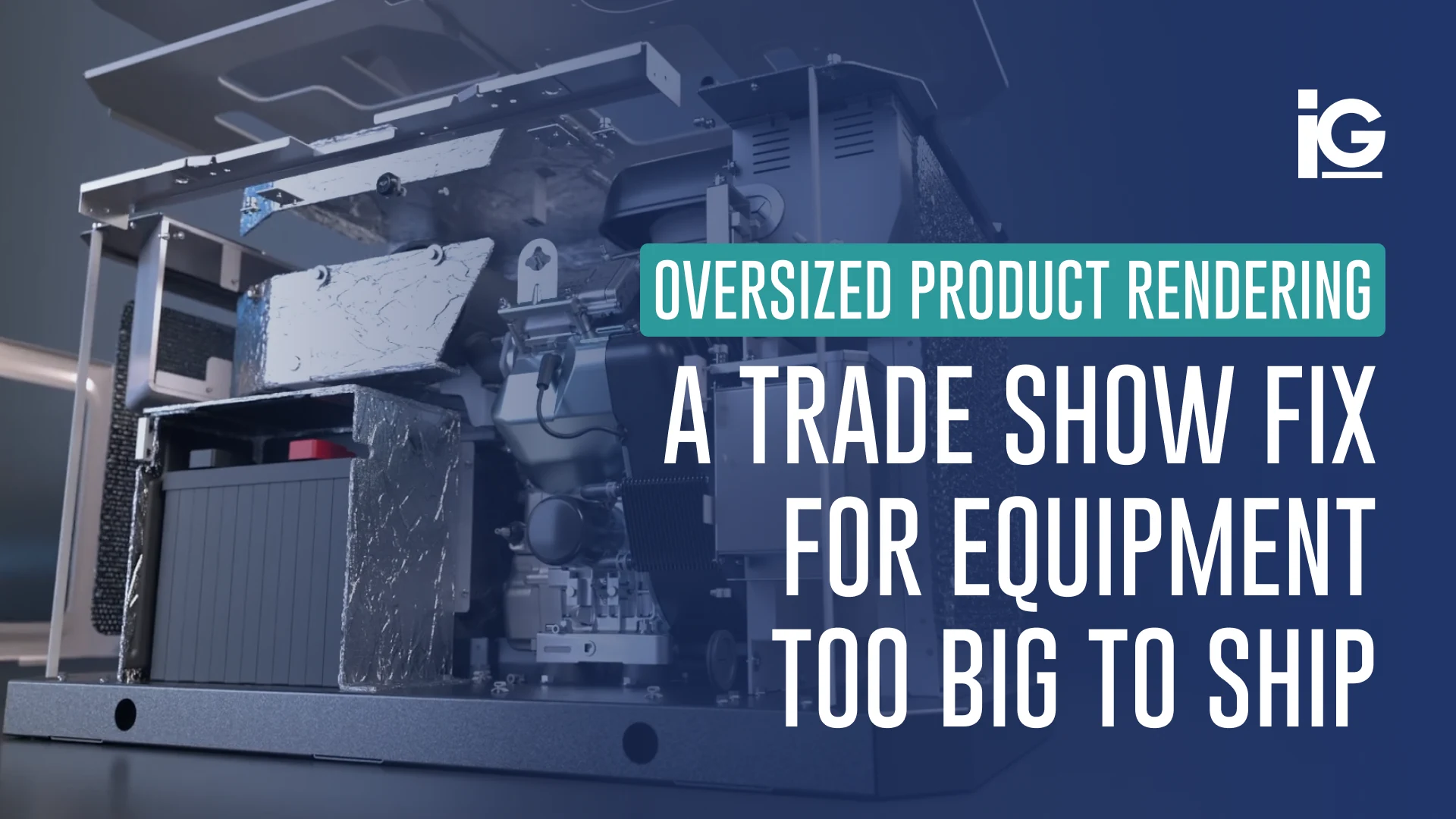
It’s become one of the most reliable strategies on the show floor. Video and animation consistently rank among the top methods for capturing attention and driving qualified booth traffic in a crowded exhibit hall. For large, complex, or otherwise unsafe products, it effectively becomes the live demo. The audience sees exactly how the product performs without anyone having to explain it.
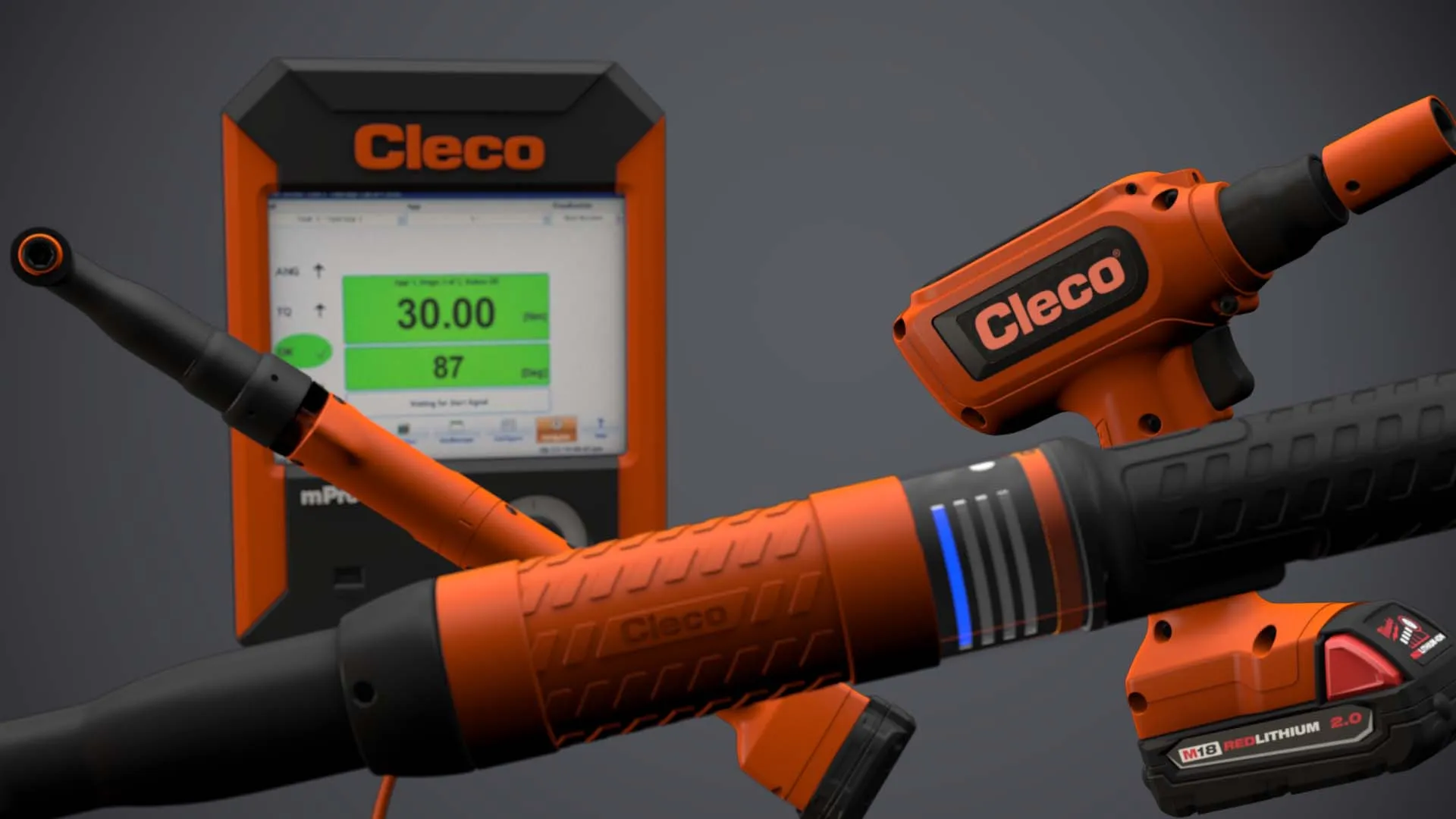
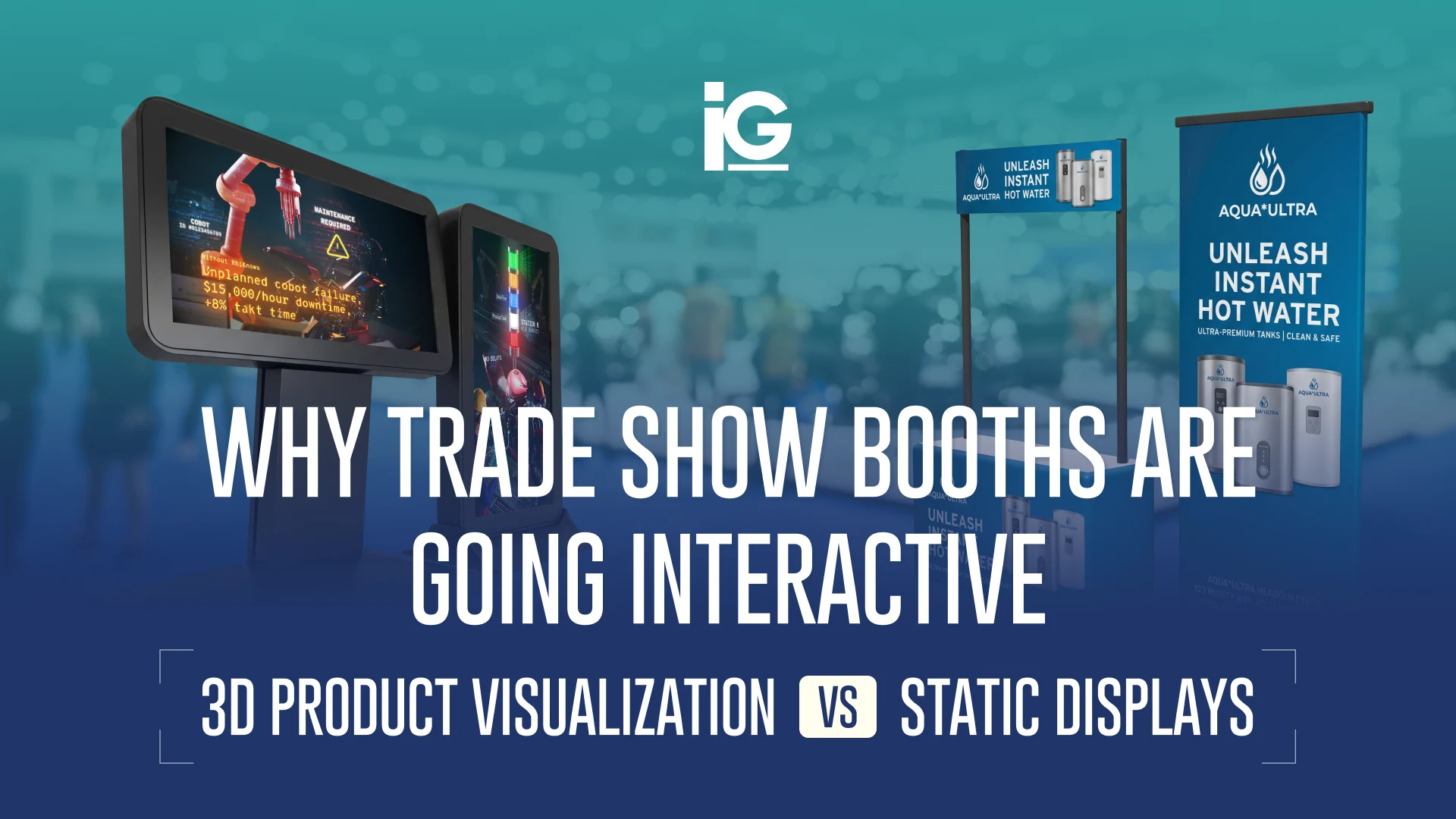
Our product animation for Cleco Tools is a production we’re proud of for exactly this reason: industrial-precision tools that are far more impressive in motion than on a table, communicating capability to every person who walks past the booth, whether or not a sales rep is free.
5. Mechanism / Internal Component Animation
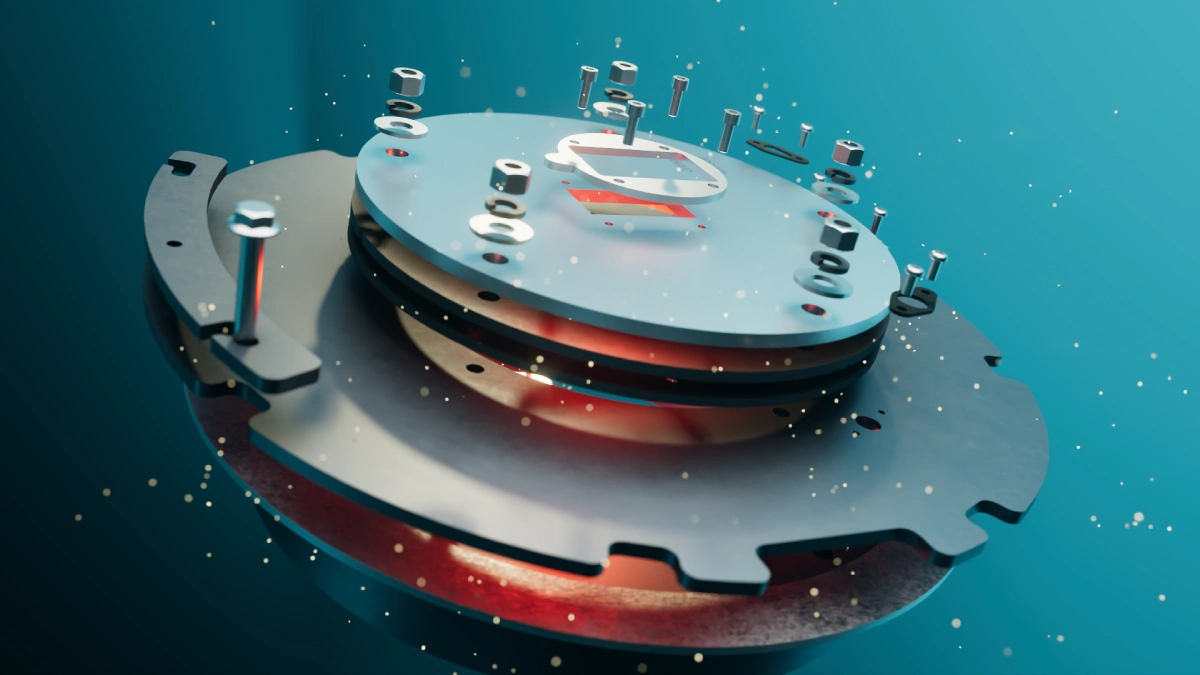
Photography only shows the surface; product animation reveals the soul. For engineering-led companies, the real story happens inside—through fluid dynamics, mechanical sequences, and heat transfer that a camera can’t capture.
For over 30 years, Info-Graphics has bridged the gap between complex engineering and creative production.It is worth understanding how a 3D product animation studio approaches industrial marketing before choosing your format. Shift your message from “trust us” to “watch this.”
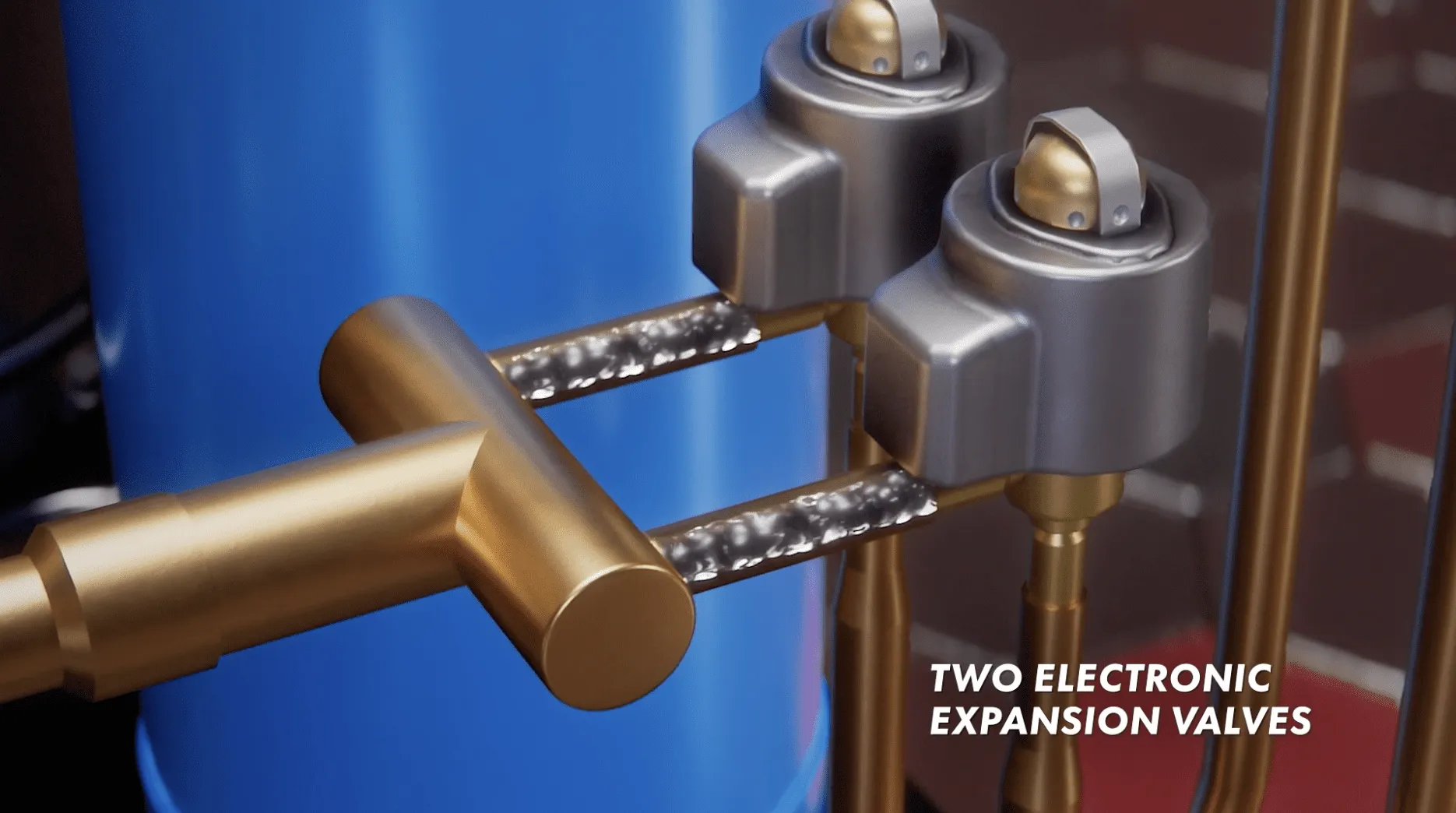
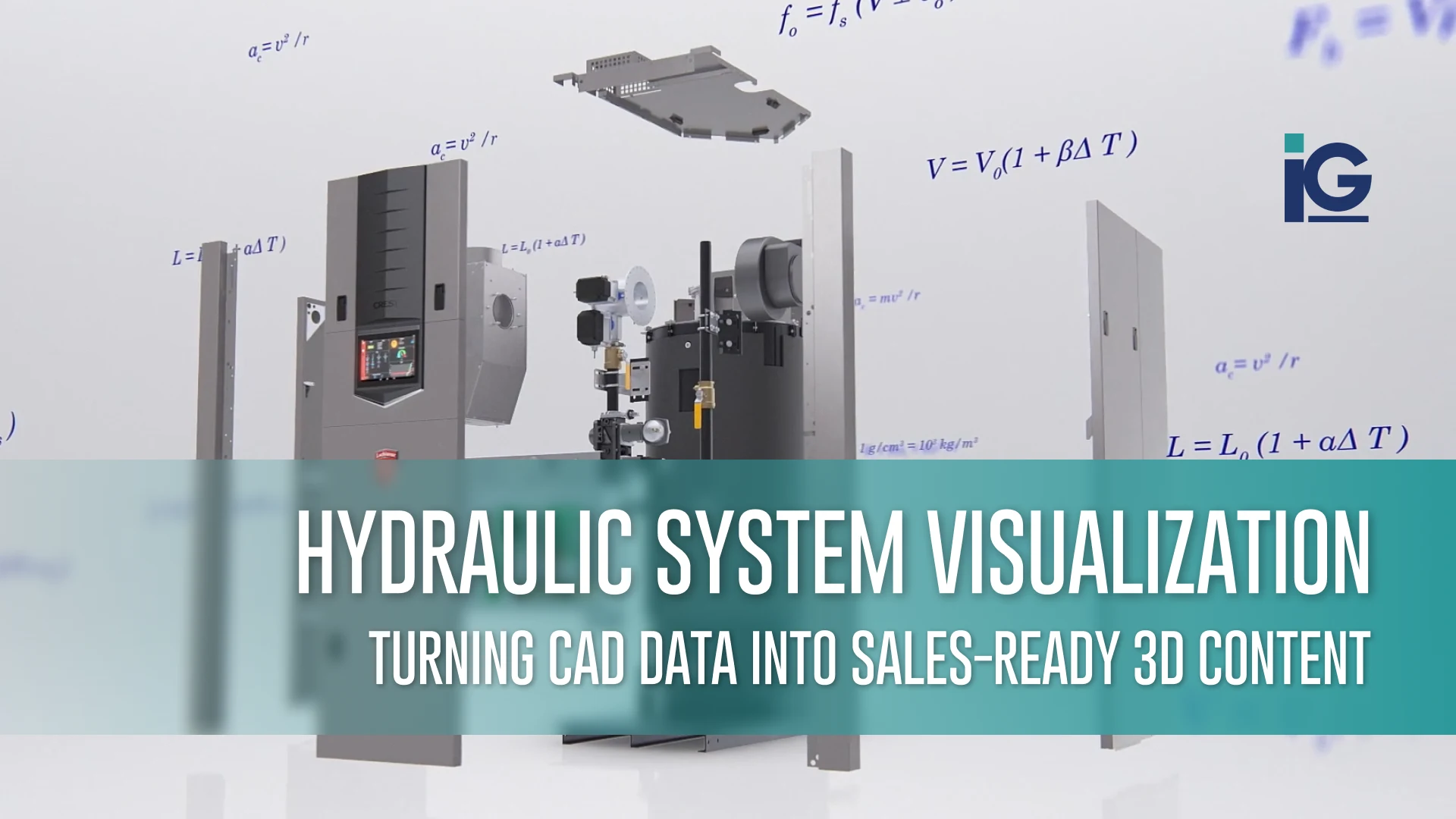
The work we did for Lochinvar’s Veritus AHR and their FTXL system is built on this premise: HVAC and water-heating technology in which the competitive advantage lives entirely within the unit. Once you see the internal workings in motion, the value proposition needs very little further explanation.
6. User Experience / Journey Animation
Some products are best understood not by examining them, but by watching someone use them.
When ease of use, workflow integration, or the simplicity of an interaction is the core of what you’re selling, putting the product at the center of the frame can actually work against you. What the audience needs to see is themselves, or someone in their role, moving through a process that looks frictionless and intuitive. The product is present throughout, but it’s serving the story rather than being the story.
This is especially relevant in B2B contexts where the buyer isn’t just evaluating a product but also the operational impact of adopting it. Decision-makers want to know: will this create more work or less? Will my team actually use it? An experienced animator answers those questions before they’re asked.
The UX journey animation we produced for Cubic is a clear example of why this format exists. The product is transit payment technology, and its entire value proposition is to make the rider experience faster and simpler. Showing the hardware alone would miss the point entirely. Showing a user move through the experience in seconds (scan, board, done) communicates the value instantly and viscerally, in a way that no amount of feature copy ever could.
7. Brand Reel / Sizzle Reel
Before a client asks what you can do for them, they’re asking a quieter question: can you actually do this?
A brand reel answers that question before it’s spoken. In 60 to 90 seconds, it communicates range, quality, and creative confidence. It’s not a breakdown of services or a case study. It’s proof, assembled and edited to move. For any company where the work is the pitch, it’s often the most important piece of content on the entire website.
Our 2025 production reel covers the full scope of what Info-Graphics produces: product animation, 3D rendering, and motion design, across industries and formats, built up over 30 years of technical creative work. If you’ve landed on this blog wondering whether a studio with deep manufacturing roots can handle your product category, that’s the place to look.
Which Type Is Right for You?
It depends on where your buyer is and what problem you’re trying to solve.
- Introducing a product to the market? You need a Launch Video.
- Need to explain how it works or why it’s better? Go with an Explainer / Feature Highlight.
- Buyers or end users confused after purchase? A How-To / Installation Animation is your fix.
- Exhibiting at a trade show or event? Build a Trade Show Loop.
- Product value lives inside its engineering? Mechanism / Component Animation is the only format that can show it.
- Is the experience of using it the selling point? A User Experience / Journey Animation makes the connection.
- Need to establish creative credibility fast? Lead with a Brand Reel.
And if the answer is “we need two or three of these,” that’s actually the most common outcome. A well-planned production can deliver a launch video, a trade show loop, and a set of social cuts from a single workflow. One budget. Multiple assets. More mileage from every dollar spent.
The Right Partner Makes It Happen
Knowing which type you need is half the battle. The other half is working with a studio that can execute it accurately and efficiently, using the engineering data you already have.
At Info-Graphics, we’ve spent over 30 years embedded in the technical side of product marketing, working directly alongside engineers and product teams across manufacturing, industrial, and consumer brands. We build from your existing CAD files, which means faster timelines, greater accuracy, and animation that reflects your product exactly as it was designed.
Ready to get started? Let’s talk.
Frequently Asked Questions (FAQs)
What is product animation used for in marketing?
It’s used to launch products, explain complex features, guide buyers through installation, demonstrate internal mechanisms, drive trade show traffic, and build brand credibility across web, social, and sales channels.
What type of product animation works best for e-commerce?
Feature highlight animations and 360-degree product views. They answer the “how does this actually work?” question that static photos can’t, and research shows product pages with video see 37% more add-to-cart conversions than those without.
What’s the difference between a product explainer and a product launch video?
A launch video generates excitement. An explainer builds understanding. Many brands use both: the launch video drives attention, the explainer drives conversion.
Can one animation serve multiple purposes?
Yes. One production can be edited into a full-length web version, a social cut, a trade show loop, and an embedded GIF.
Do I need a physical product to create product animation?
No. Info-Graphics works from CAD and engineering files, meaning animation can be complete before any physical product exists.
Does product animation increase conversion rates?
Consistently. Landing pages with video see conversion lifts of up to 80%, and 85% of buyers say they’ve been convinced to purchase after watching a brand’s video.


Leave A Comment