

Think back to Instagram’s early days—clean feeds, simple filters, and a platform built for connection. Fast forward to today, and the app has evolved into a full-blown commercial hub, prioritizing video, AR filters, and immersive shopping experiences. The lesson is clear: digital platforms adapt to keep pace with how people consume content.
We’re seeing the same kind of shift in business visuals that we saw with social media: simplicity no longer stands out. Static images and text-heavy decks may have worked a few years ago, but today’s audiences scroll past them in seconds. What grabs attention now are experiences that feel alive—visuals that move, explain, and immerse.
That’s why 3D Animation and Design Services have become more than a design upgrade. In 2025, they’re a strategic tool for businesses to cut through noise, shorten the learning curve for customers, and make complex ideas instantly understandable. Companies that embrace 3D aren’t just keeping pace with modern expectations—they’re shaping how their industries are seen, remembered, and chosen.
What Are 3D Animation and Design Services?
When most people hear “3D animation,” they think of Pixar, Toy Story, or video games. That connection makes sense, but it also creates a misconception—that 3D belongs only in entertainment. In reality, 3D is a medium, much like paint or photography. Its purpose is to convey ideas, and its potential extends far beyond movies or games. From product launches to architectural walkthroughs, 3D is proving itself as a business language for clarity, persuasion, and innovation.
At its core, 3D Animation and Design Services combine design disciplines—modeling, texturing, lighting, and rendering—to transform ideas into realistic, interactive assets. Unlike flat 2D visuals, 3D brings products, spaces, and processes to life in ways that static content simply can’t. Imagine letting a buyer “test-drive” a product online before it’s even manufactured, or enabling a property investor to explore a development virtually before it’s built. That’s not entertainment—it’s business efficiency.
A typical 3D workflow includes:
- Concept Development: Storyboarding, scripts, and creative direction.
- Modeling & Texturing: Building lifelike objects, characters, or environments.
- Animation: Adding realistic movement and interactivity.
- Rendering & Post-Production: Delivering polished, high-impact visuals.
From explainer videos and training modules to AR/VR applications, these services help companies simplify complex ideas, capture attention more quickly, and communicate with impact in an increasingly competitive market.
Industries Leading with 3D Animation and Design Services
3D isn’t confined to studio backlots or gaming consoles anymore—it’s reshaping how entire industries operate. What was once considered a creative luxury has become a practical business tool for solving real-world challenges: accelerating sales, improving customer understanding, and reducing operational costs. Companies across sectors are adopting 3D Animation and Design Services not just to impress, but to compete more effectively in a market where visuals drive decisions.

1. Architecture & Real Estate
As the saying goes, “don’t build your house on sand.” In both architecture and real estate, a strong foundation begins with clear visualization. For architects, 3D Animation and Design Services provide photorealistic renderings that help developers, contractors, and future homeowners understand the look, scale, and feel of a project before construction begins—minimizing costly missteps and revisions.
For real estate agencies, this technology delivers a clear competitive edge in a crowded market. Virtual walkthroughs, immersive floor plans, and photorealistic renderings give buyers the confidence to make faster, more informed decisions—often before ever setting foot on the property. The result is shorter time on market, stronger client trust, and higher-value transactions. Platforms like Zillow have already embraced this approach, offering 3D home tours that let potential buyers explore listings from anywhere, eliminating the friction of long site visits. In an industry where choice drives competition, 3D visualization empowers agencies to move beyond static images and create experiences that sell with clarity, impact, and speed.
2. Marketing & Advertising
Marketing and advertising run on attention—and CGI has become one of the fastest ways to earn it. Lately, brands have been leaning into “Fake Out of Home” (FOOH) campaigns, like Maybelline’s viral mascara ad brushing a moving subway car or Jacquemus’ oversized handbags rolling through the streets of Paris. These CGI spectacles generated millions of views and conversations—without the heavy costs or logistical challenges of staging them in real life.
But CGI isn’t limited to stunts and beauty. 3D animation and design services are quickly becoming the backbone of brand storytelling. From product animations and motion graphics to immersive social content, these tools enable scalable campaigns that cut through the noise, create interactive audience experiences, and deliver measurable ROI.
As David Roman, a marketing expert at WeAreBrain, notes in his article, “while CGI eliminates many of the logistical challenges of traditional production methods, it’s not without costs… High-quality CGI requires skilled professionals and cutting-edge software… However, the long-term benefits often outweigh the upfront expenses.”
In other words, world-class CGI isn’t just about software—it’s about expertise. Achieving standout results requires seasoned professionals who can combine technical mastery with creative vision to transform ideas into experiences that truly resonate.
3. Product Design & Manufacturing
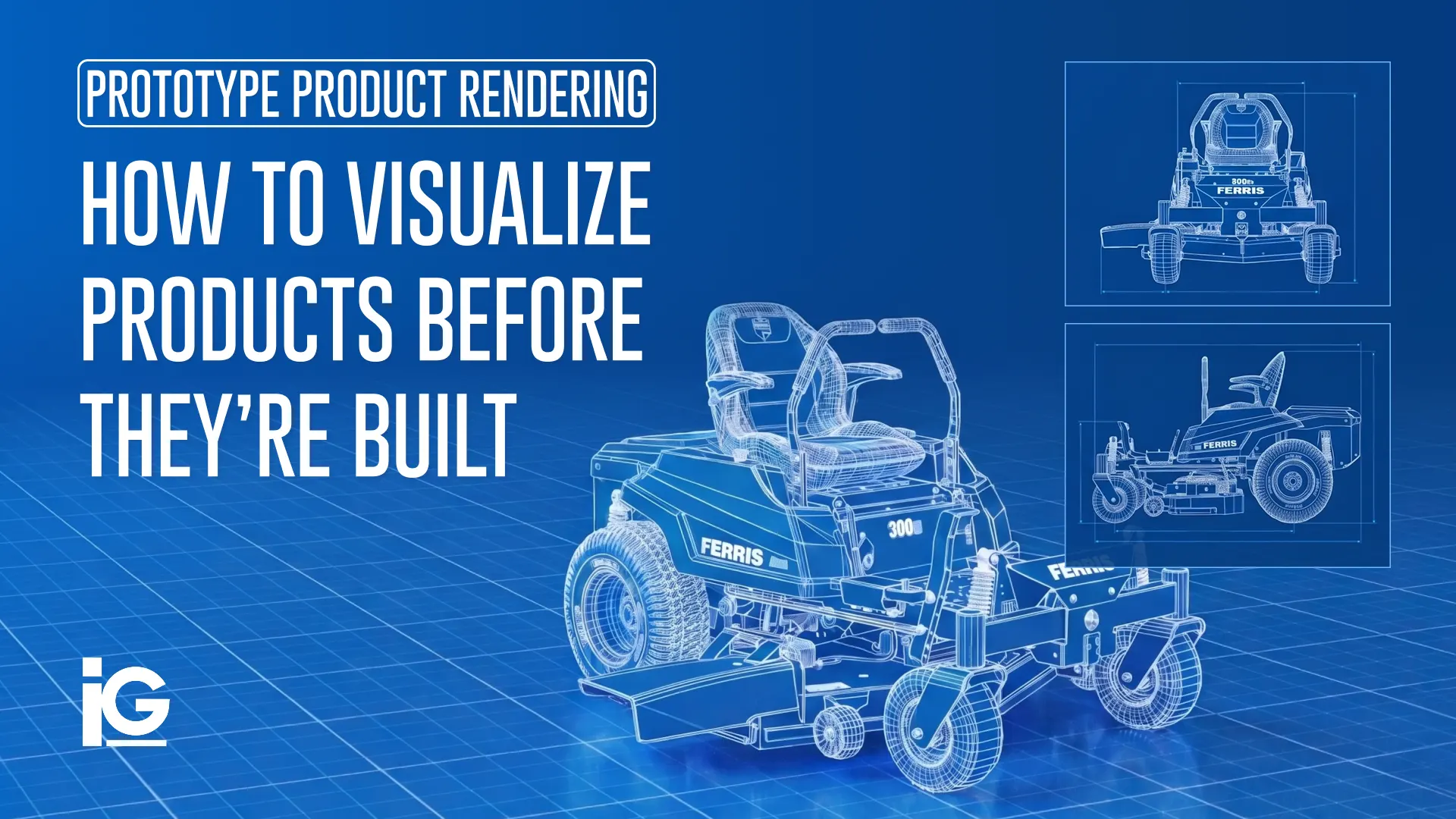
Visualization is about more than showing a product—it’s about shaping how people imagine it before it even exists. Long before a prototype hits the production line, customers want to picture how it functions, how it fits seamlessly into their daily routines, and how it solves challenges they care about.
This is the real strength of visual marketing: people aren’t just buying a product, they’re buying into a promise—whether that’s convenience, confidence, or a better way of doing things. Even in early development, creating that emotional link can influence perception and demand.
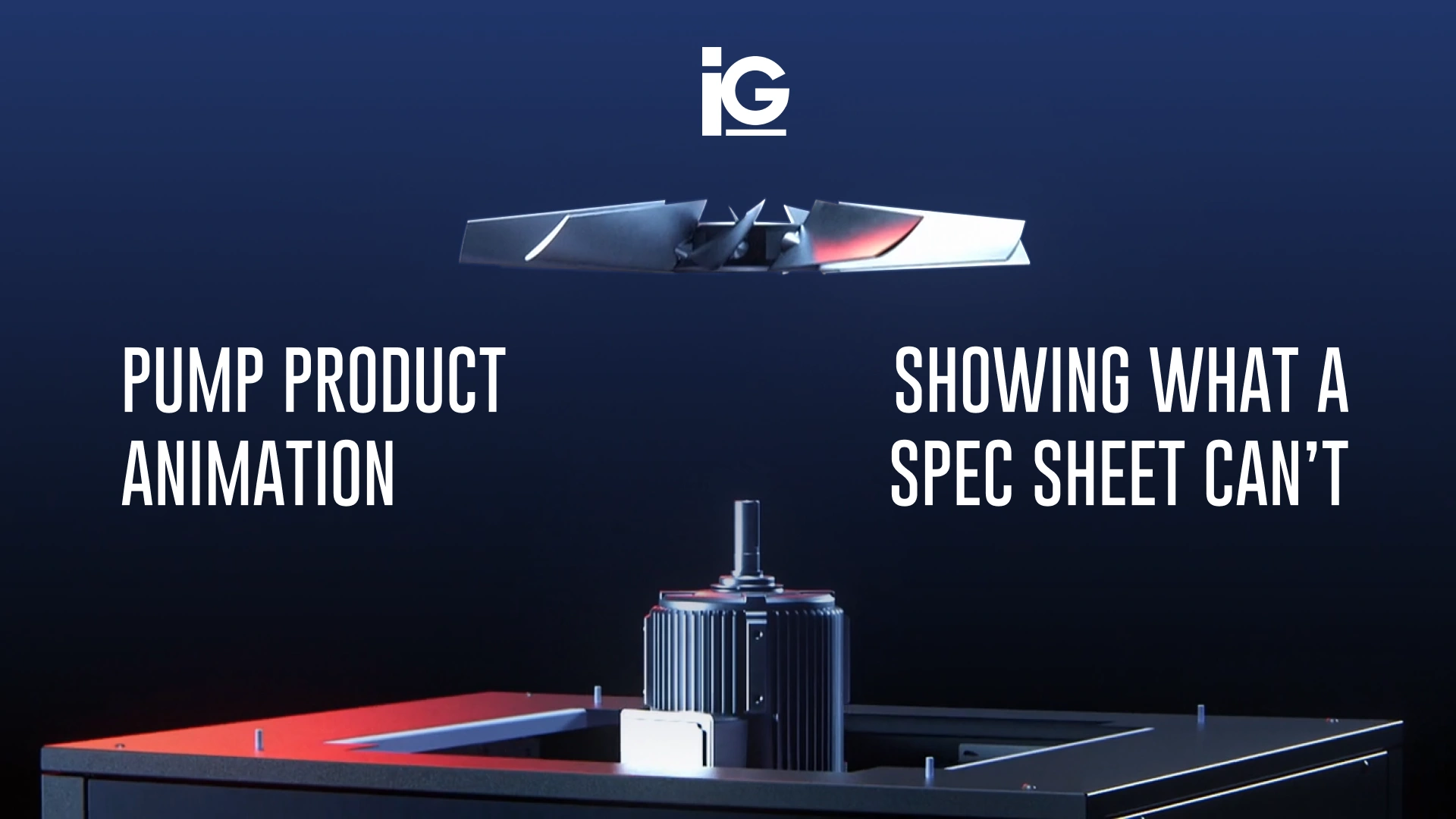
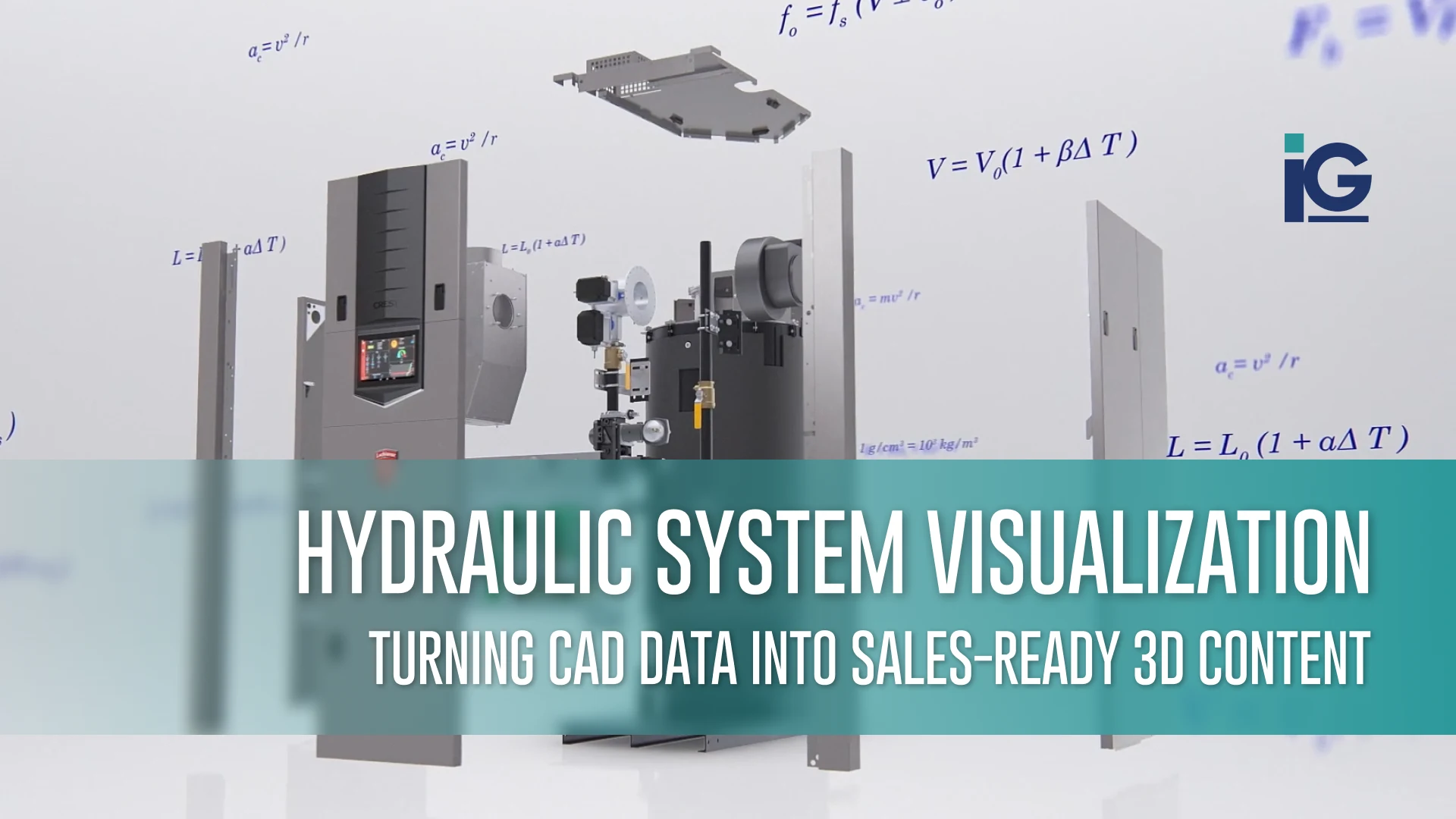
Digital prototyping makes this possible. 3D models can be tested, refined, and repurposed across channels, accelerating timelines while reducing costs. One well-crafted 3D asset can become the foundation for product demos, training simulations, and engaging e-commerce experiences.
4. Entertainment & Gaming
3D animation and design are often tied to gaming and entertainment—but their influence reaches much further. From early CGI in film to today’s hyper-realistic virtual worlds, 3D has shaped how we tell stories and create immersive experiences.
Not all audiences have embraced it. For instance, some viewers are starting to push back against poorly executed 3D animation, preferring traditional 2D artistry. The takeaway for business is clear: bad 3D can alienate audiences, but done well, it drives a deeper connection.
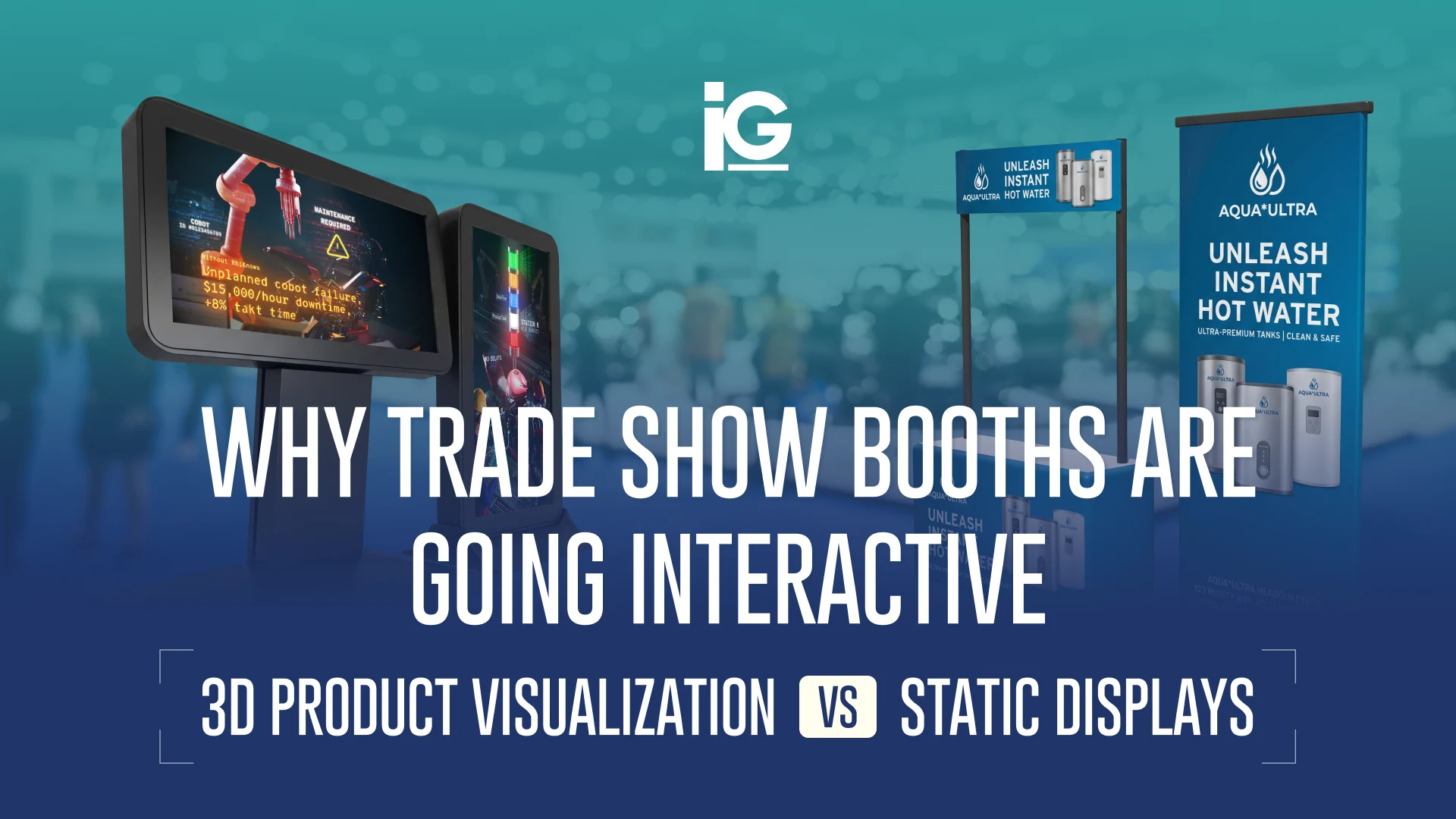
Gaming proves the point. By reusing 3D assets across storylines and platforms, the industry shows how scalable design can be. In B2B, the same principle applies: a single 3D model can power demos, AR/VR experiences, training, trade shows, and social campaigns.
What was once limited to film and gaming is now a strategic tool for brands—delivering cinematic product reveals and immersive demos that feel more like experiences than ads.
5. Healthcare & Education
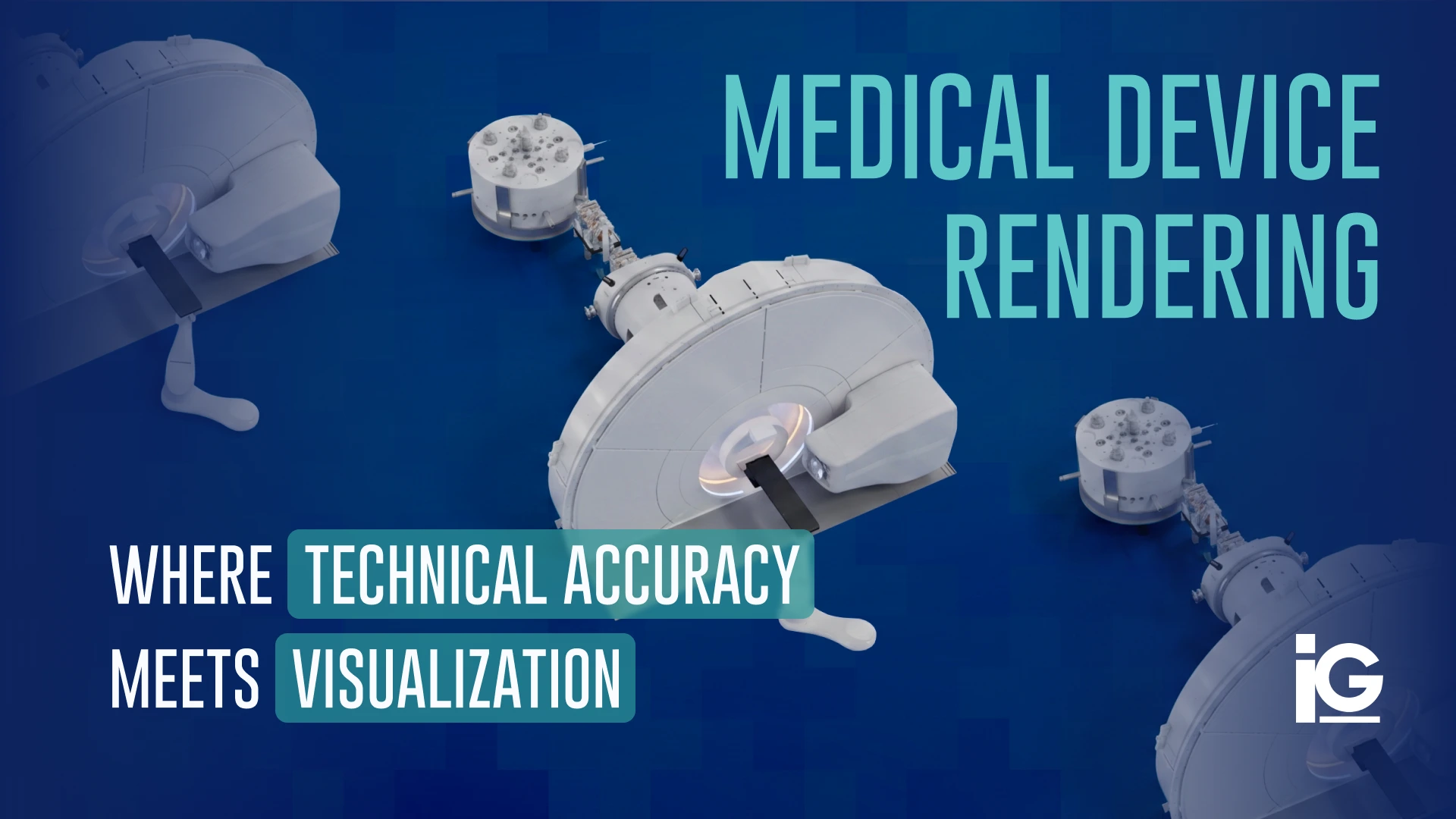
3D animation is transforming healthcare and education by making complex concepts easier to understand and apply. In medicine, detailed 3D animations can illustrate procedures, anatomy, or drug mechanisms with precision that textbooks or static visuals can’t match. This not only improves learning for medical students and professionals but also helps patients better grasp treatment plans—boosting trust and outcomes.
In education, animated learning videos and interactive 3D models simplify abstract or technical subjects, from biology and chemistry to engineering and architecture. They allow learners to visualize processes that would be too costly, dangerous, or impossible to replicate in reality.
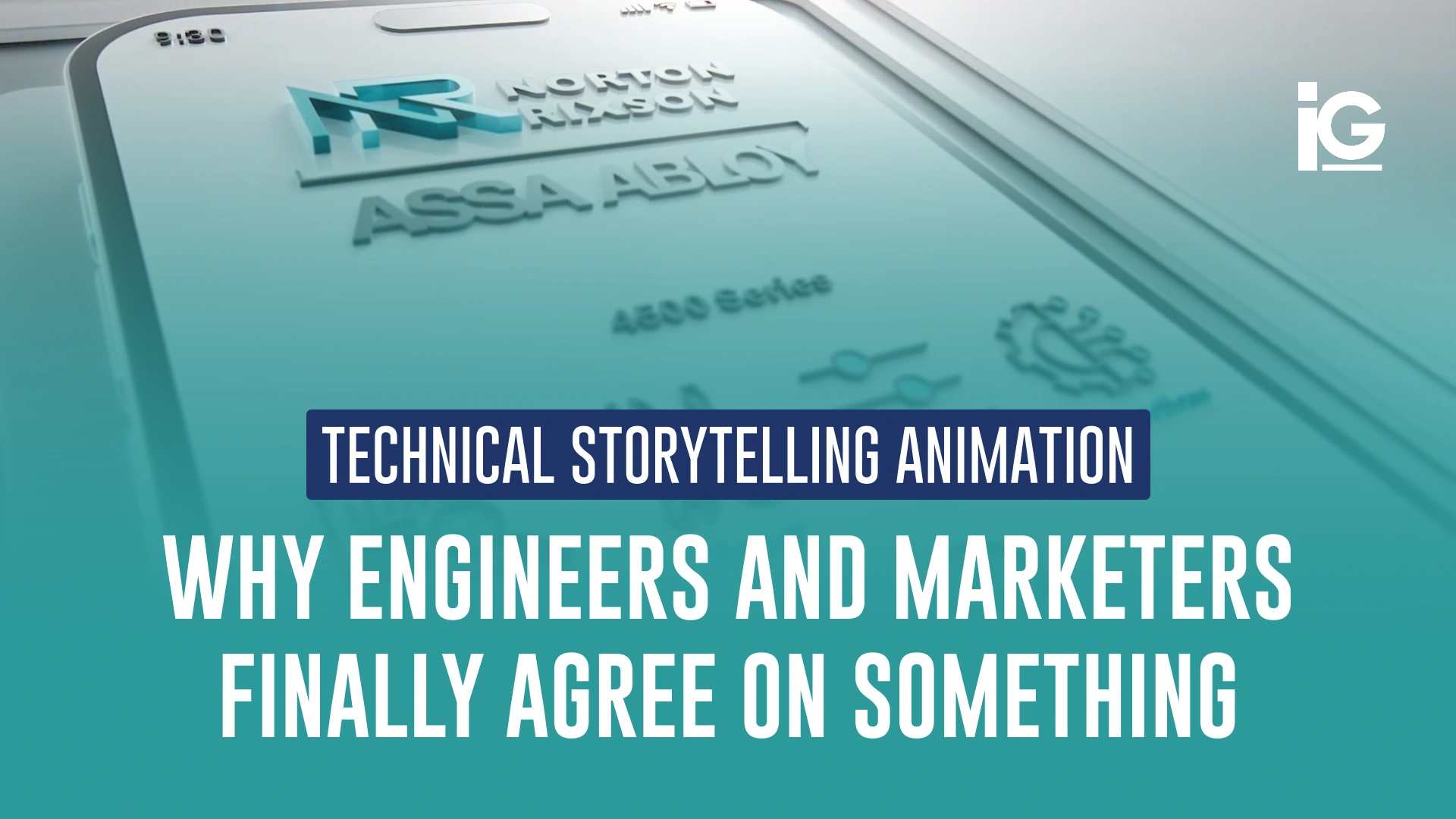
For B2B marketers, the takeaway is clear: what works in healthcare and education—turning complexity into clarity—applies across industries. Whether explaining advanced technology, demonstrating a product, or training employees, 3D design helps businesses communicate with impact, scale knowledge, and stand out in competitive markets.
Why Businesses Can’t Ignore 3D in 2025
1. Audiences Demand Immersive Content
Customers are no longer impressed by stock photos or generic videos. Gen Z and millennial buyers—now dominant decision-makers—expect interactive, personalized, and cinematic experiences.
2. More substantial ROI from Visual Storytelling
Studies show people retain up to 95% of a message when delivered in video format, compared to just 10% through text. 3D visuals amplify that retention with realism and emotional impact.
3. Competitive Differentiation
If your competitor is using high-quality product animations while you’re relying on flat brochures, who looks more innovative? Businesses that adopt 3D now position themselves as industry leaders.
4. Cost-Effective Prototyping & Marketing
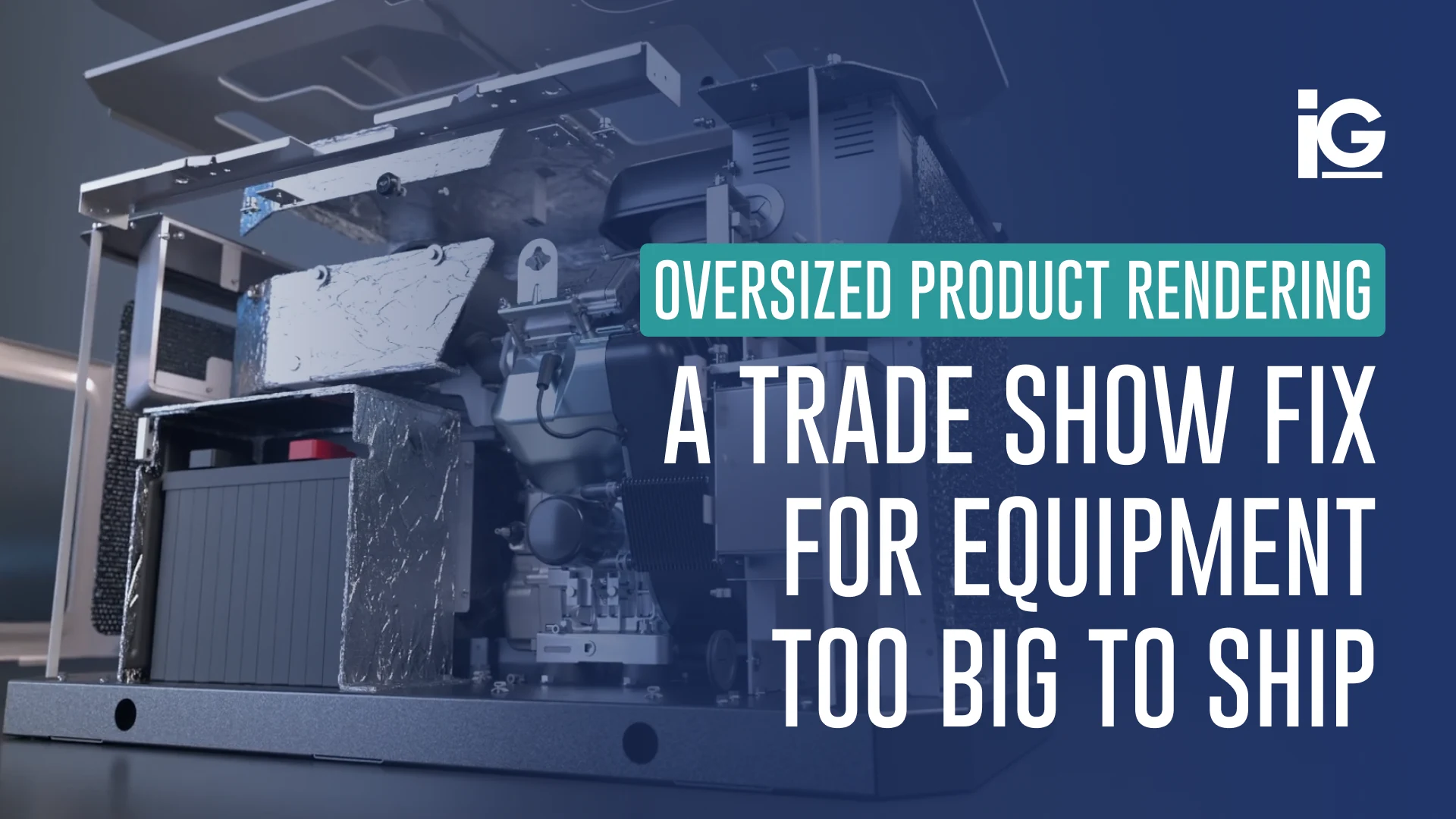
Instead of investing in physical prototypes or multiple ad shoots, companies can reuse 3D assets across campaigns, platforms, and training materials.
5. Integration with Emerging Tech
3D animation seamlessly powers AR shopping experiences, VR training modules, and metaverse environments—technologies that continue to expand in 2025.
Ignoring 3D in 2025 isn’t just missing out on a trend—it’s falling behind in the way people experience brands.
The Process Behind Professional 3D Animation and Design
To understand the investment, let’s break down a standard 3D Animation and Design Service workflow:
1. Discovery & Planning – Aligning business goals, storyboards, and creative direction.
2. Modeling – Building digital versions of objects, spaces, or characters.
3. Texturing & Lighting – Adding surface details, materials, and atmospheric effects.
4. Rigging & Animation – Creating lifelike movement, interactions, or walkthroughs.
5. Rendering – Turning raw animation into polished, high-quality outputs.
6. Editing & Delivery – Final touches: sound design, branding, and revisions.
Each stage requires collaboration between designers, animators, and business stakeholders. The best service providers balance creativity with efficiency, ensuring that final outputs serve fundamental business objectives, not just aesthetics.
How to Choose the Right 3D Animation Partner
Not all 3D providers are equal. Here’s what businesses should look for:
• Portfolio & Industry Fit: Do they have relevant experience in your sector?
• Technology Stack: Are they using modern tools (Unreal Engine, Blender, Autodesk)?
• Scalability: Can they handle both small projects and enterprise-level productions?
• Communication: Are they transparent with timelines, costs, and revisions?
• Creativity + Strategy: Do they balance design flair with business objectives?
Red flags include vague pricing, limited revisions, or generic outputs. In 2025, businesses need partners that not only deliver great visuals but also understand marketing goals and ROI.
Future Trends in 3D Animation and Design
The next few years will push 3D into even more business-critical roles. Trends to watch:
• AI-Powered Animation: Automating repetitive tasks, speeding up production, and enabling hyper-personalized visuals.
• Real-Time Rendering: Faster outputs with tools like Unreal Engine, allowing real-time collaboration.
• AR & VR Growth: E-commerce brands offering virtual try-ons, educators using VR simulations, and enterprises training employees in 3D environments.
• Metaverse-Ready Content: Brands building digital twins of products, stores, or entire experiences.
• Sustainability: Reducing waste by replacing physical prototypes and samples with 3D assets.
Businesses adopting these trends early will stay ahead of competitors in storytelling and customer engagement.

Time to Embrace 3D
The takeaway is simple: 3D Animation and Design are no longer optional—they’re the new standard for how businesses communicate. In 2025, brands across industries are proving that 3D is more than visuals; it’s a driver of engagement, clarity, and measurable ROI. From simplifying complex medical concepts to creating immersive customer experiences, 3D is setting the pace for modern marketing.
If your business hasn’t tapped into it yet, the risk isn’t just falling behind—it’s being invisible in a marketplace where attention is the ultimate currency.
This is where expertise matters. The difference between gimmicky visuals and powerful storytelling lies in the hands of experienced professionals who know the craft. With years of proven work across industries, Info-Graphics stands as a trusted authority in 3D animation and design—helping brands transform ideas into impact and complexity into clarity.
The future of storytelling is already unfolding in 3D. The only question is whether your brand will lead it—or get left behind. What would your story look like if it came alive in 3D? Let’s find out together.

Leave A Comment