

Across industrial and technical sectors, the widening skills gap has become a significant barrier to productivity and innovation.
According to an in-depth report by the Organization for Economic Co-operation and Development (OECD), companies facing workforce skill shortages experience 63% heavier workloads, 50% higher operating costs, and 46% slower adoption of new technologies.
And that problem is only expected to grow. A global survey found that 44% of organizations anticipate significant skill gaps over the next five years, while another 43% already face them, meaning nearly 9 in 10 companies either struggle with or foresee capability shortages that could hinder growth and innovation.
Behind every one of those numbers are teams struggling to keep up — not because they lack talent, but because technology evolves faster than traditional training can keep pace.
For B2B organizations, these findings highlight an urgent truth: the way teams learn must evolve as quickly as the systems they operate. Turning complex technical ideas into clear, usable knowledge is no longer optional — it’s a competitive advantage.
To address this need, a technical training agency effectively converts these complex data into organized, visual learning experiences that build capabilities, eliminate inefficiencies, and ready your workforce for the future.
Here are five ways a technical training agency simplifies even the most complex ideas.
5 SOLUTIONS A TECHNICAL TRAINING AGENCY DELIVERS FOR INDUSTRIAL TEAMS
Technical training plays a vital role in how industrial organizations adapt, perform, and scale. Below are five solutions that help teams move from understanding to mastery, ensuring that complex ideas translate into real-world performance and measurable business results.
1. TRANSFORMING DATA INTO CLEAR VISUAL LEARNING
Every industrial system starts with data — blueprints, schematics, manuals, or process documents. The challenge is turning that information into something people can act on.
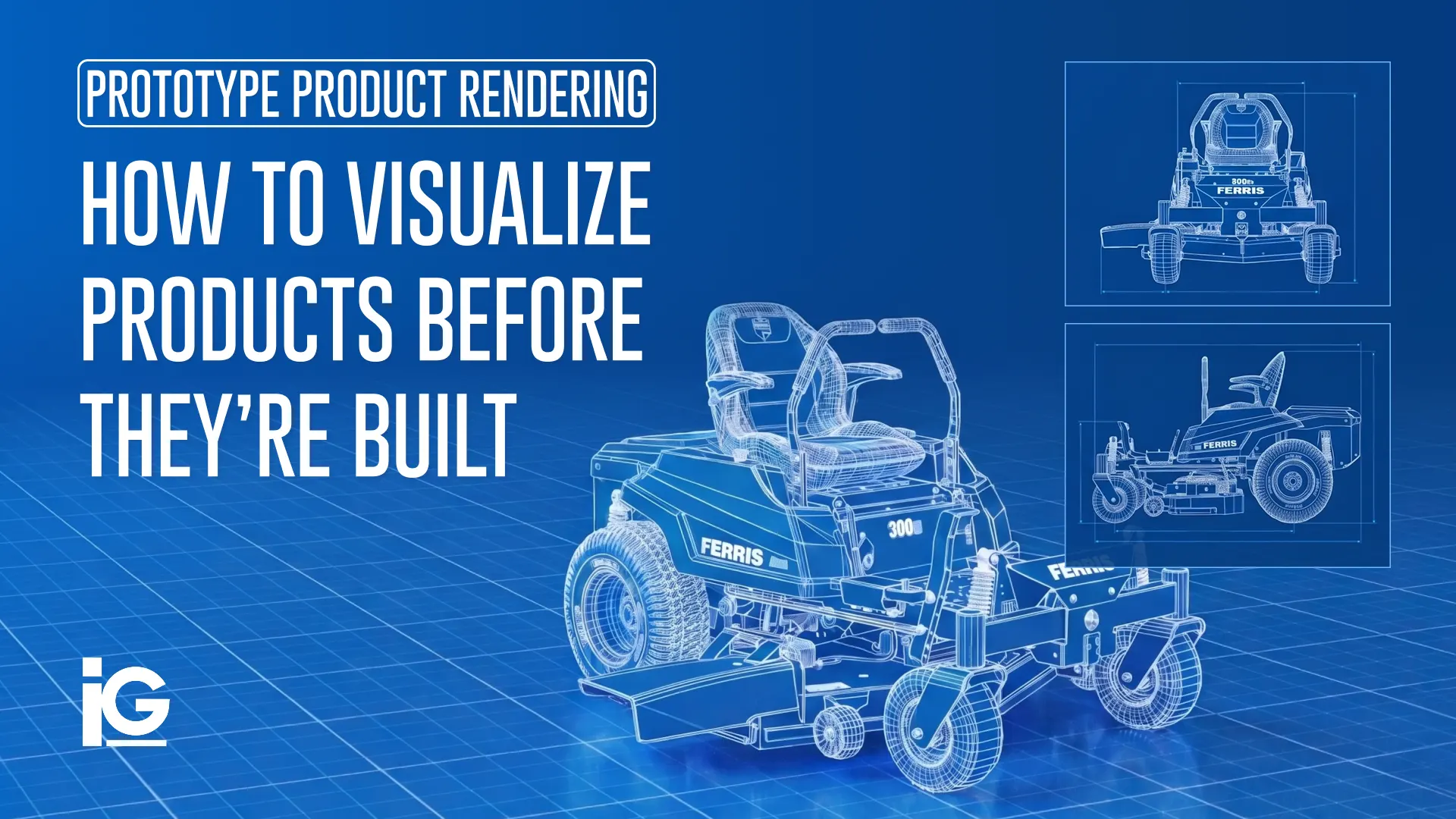
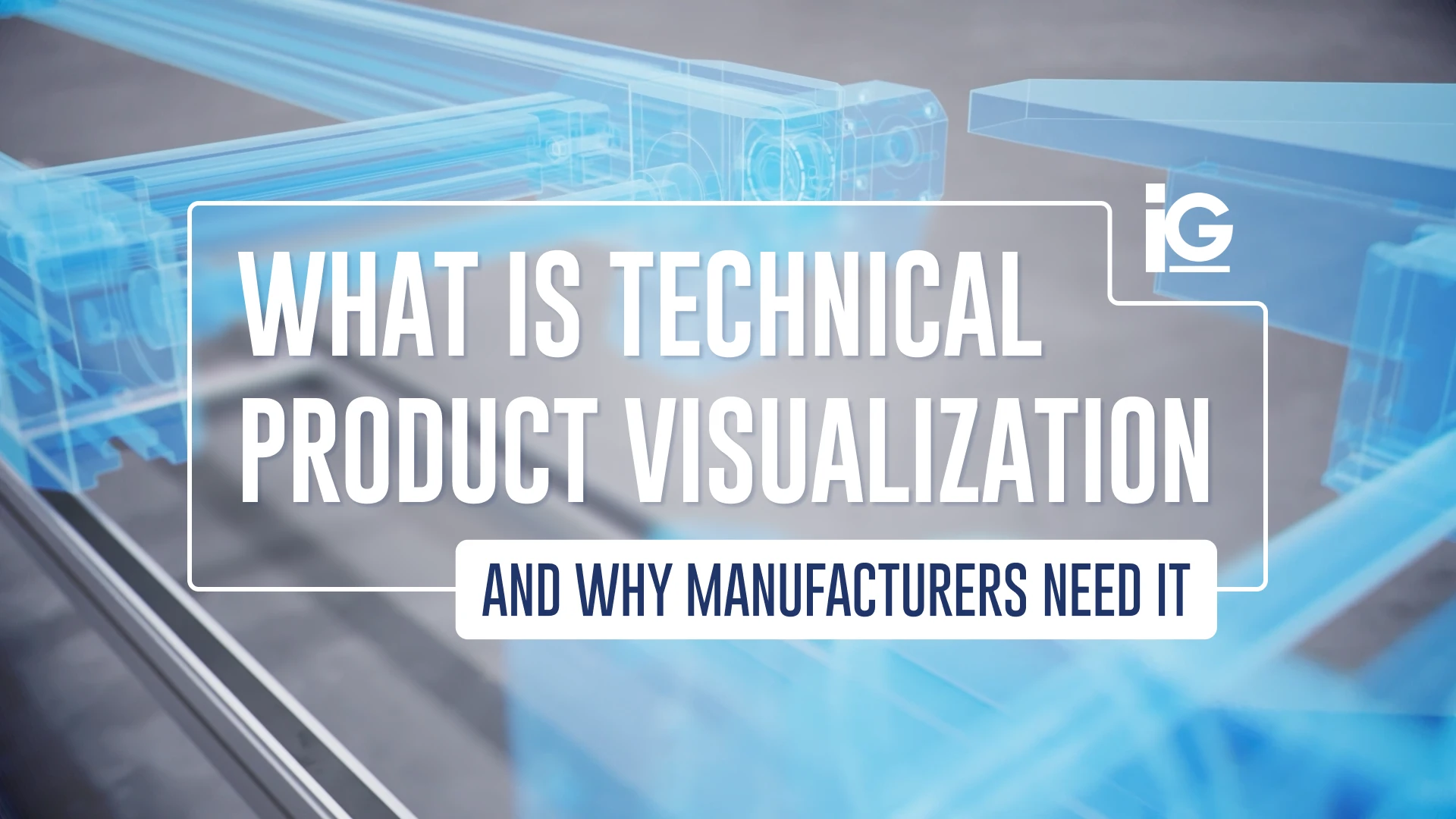
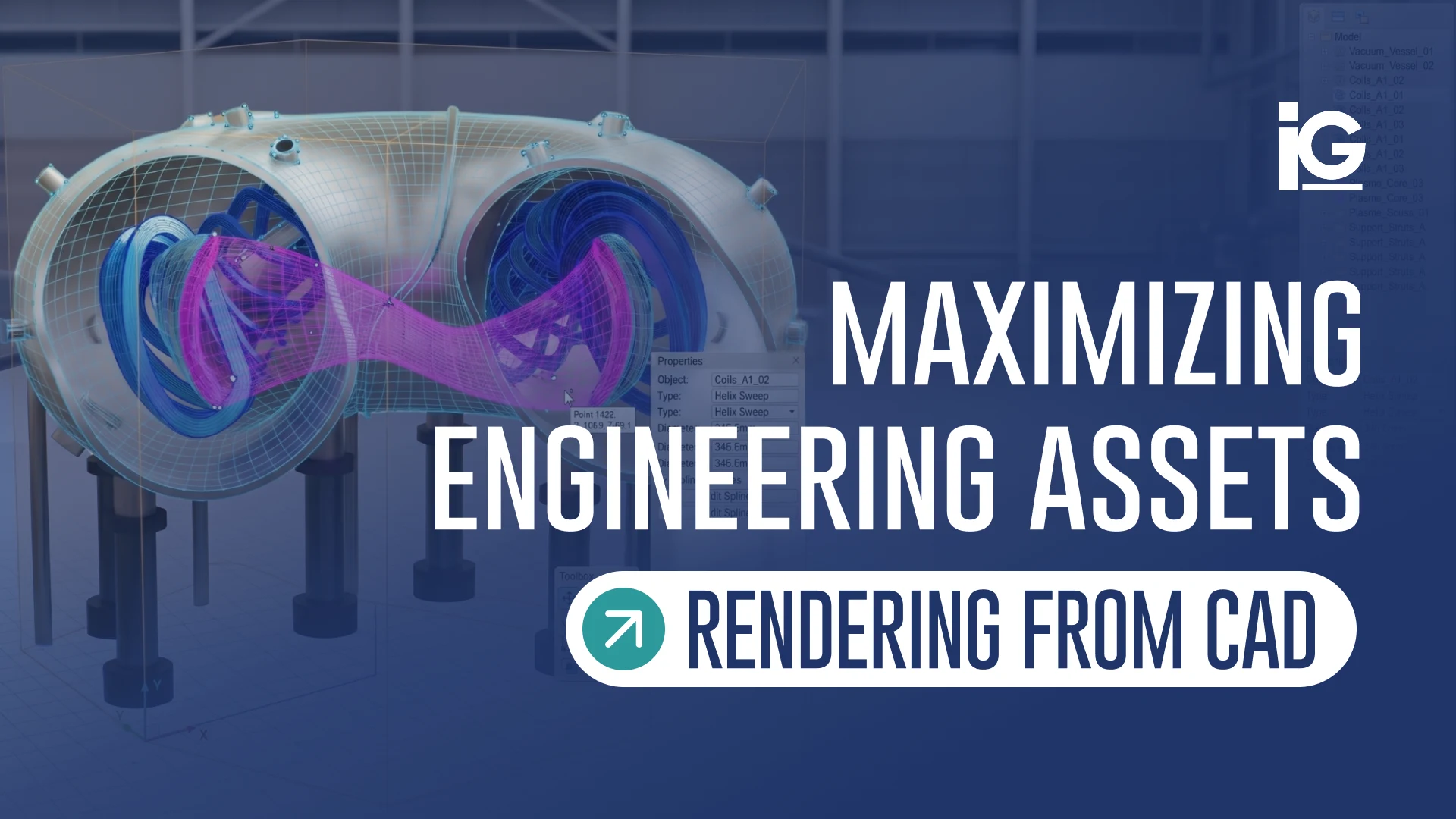
By transforming static documentation into 3D visuals, animated workflows, and process diagrams, teams gain instant clarity on how systems work and interact
This visual storytelling eliminates guesswork, strengthens collaboration between engineering and field teams, and significantly reduces learning time.
2. TURNING LEARNING INTO EXPERIENCE
Training is most effective when it mirrors real conditions. Instead of passively absorbing information, learners should be able to experiment, test decisions, and learn from outcomes — without operational risk.
Interactive training modules replicate real-world conditions — letting employees experiment, make decisions, and see outcomes in real time.
The result? Faster onboarding, fewer errors, and higher confidence on the floor.
This hands-on approach transforms theory into applied knowledge — resulting in better decision-making, faster troubleshooting, and long-term skill retention.
3. DESIGNING FOR REAL-WORLD APPLICATION
Instruction only succeeds when it reflects the challenges employees face every day.
By involving engineers, operators, and specialists early in development, training becomes grounded in real conditions — not abstract theory.
Like a design firm, practical training combines engineering precision with instructional usability, ensuring every animation and workflow reflects actual field variables, from safety protocols to equipment behavior.
This design-driven approach builds intuitive understanding and enables teams to respond confidently to real-world challenges — whether on the floor, in the field, or with a client.
4. SCALING CONSISTENCY ACROSS GLOBAL TEAMS
For global manufacturers and service providers, inconsistent training leads to uneven performance and costly inefficiencies.
Scalable digital learning frameworks solve this by delivering unified, up-to-date content to every team — regardless of region, language, or product line.
In multicultural settings, visuals act as a universal language, removing translation barriers and ensuring every employee learns the same standard.
For example, an operator in Germany and a technician in Brazil can access the same visual module in real time, following identical steps and achieving consistent results.
Modular, cloud-based platforms roll out updates instantly, keeping materials current and aligned.
This approach reduces retraining costs, reinforces brand integrity, and builds confidence across global teams.
5. MAKING LEARNING LAST
Knowledge fades if not reinforced — especially in fast-paced technical environments.
By structuring lessons around story-driven visuals, motion, and logical sequencing, training becomes easier to recall and apply under pressure.
Studies on visual learning have long shown that people retain significantly more information when it’s presented visually rather than verbally. After just a few days, learners typically remember only about 10–20% of written or spoken content — but retain as much as 65% when visuals are involved. Even more compelling, illustrated materials have been proven to enhance both immediate understanding and long-term recall, outperforming text-only formats by wide margins.
When employees understand why systems behave the way they do, they adapt faster, work more accurately, and need less supervision.
This deeper comprehension turns one-time lessons into lasting skills — creating a workforce that not only keeps up with technology but continues to grow alongside it.
PROJECT HIGHLIGHT: CASE EQUIPMENT
When CASE Equipment set out to modernize training for its global dealer network, it faced a familiar challenge — helping teams understand complex hydraulic and electronic systems quickly, accurately, and at scale.
Info-Graphics applied the five principles above to deliver a complete learning transformation:
- Translated complex engineering data into dynamic 3D visuals
- Designed interactive CBT modules for hands-on experience
- Partnered with engineers to ensure technical accuracy and realism
- Rolled out a unified eLearning program across all regions
- Structured lessons with visual storytelling to strengthen retention
The result: a training platform that made technical learning intuitive, consistent, and scalable across CASE’s global network. Dealers gained a deeper understanding of machinery and greater confidence supporting customers — while CASE established a repeatable foundation for future training success.
FREQUENTLY ASKED QUESTIONS
Q1: WHAT DOES A TECHNICAL TRAINING AGENCY DO?
It transforms complex technical information into structured, visual learning that helps employees understand and apply knowledge effectively on the job.
Q2: WHY IS TECHNICAL TRAINING NECESSARY FOR INDUSTRIAL BUSINESSES?
It ensures teams keep pace with new systems, reduces downtime, improves safety, and supports consistent global performance.
Q3: HOW DOES INFO-GRAPHICS SUPPORT TECHNICAL TRAINING?
With 30+ years of experience, Info-Graphics creates 3D visualizations, animations, and interactive modules that simplify learning and improve retention.
Q4: WHEN SHOULD A COMPANY CONSIDER PARTNERING WITH A TECHNICAL TRAINING AGENCY?
When training gaps start slowing production, when systems evolve faster than internal materials can keep up, or when global consistency and accuracy become hard to maintain.

CLARITY IS THE LANGUAGE OF INNOVATION
In technical industries, complexity is inevitable — but confusion isn’t. When teams can see, interact with, and truly understand the systems they work with, innovation follows naturally.
A Technical Training Agency makes that possible. By combining technical precision with design-driven communication, it turns complexity into clarity and knowledge into performance.
At Info-Graphics, we’ve spent more than 30 years helping manufacturers and engineers close skill gaps, build confidence, and accelerate innovation through visual learning.
Because progress doesn’t start with technology — it begins with understanding. Let’s build training solutions that make learning visual, scalable, and built for the real world.






Leave A Comment