

Technology is evolving faster than people can understand it — and industries are struggling to keep up. In just two years, 90% of the world’s data has been created, flooding every sector with new systems, tools, and processes that change almost as soon as they’re learned.
Across production lines, energy plants, and industrial facilities, this surge of information is rewriting how work gets done — but not how people are taught to do it. Most teams still rely on static manuals, dense documents, or text-heavy modules to learn systems that now operate at digital speed.
The result is a growing disconnect between how fast technology moves and how slowly knowledge transfers. When expertise can’t keep pace, even small gaps in understanding multiply into costly mistakes, downtime, and safety risks.
Modern industries don’t just need more information — they need clarity, context, and a faster way to transfer what they know before it becomes obsolete.
From Documentation to Digital Dialogue
Industrial knowledge has long been locked inside dense documents, static PDFs, and technical drawings. But data alone doesn’t teach — experience does. Interactive technical content transforms information into discovery. Through 3D models, animations, and clickable workflows, people can visualize every component, trace a process end to end, and test logic safely before applying it in the field.
In many industries, learning often feels like working without a guide — trying to make sense of complex systems without context or a clear reference point. That lack of guidance mirrors what research on global collaboration has found about knowledge transfer: even in highly connected environments, information often fails to flow effectively because it isn’t presented in ways people can easily interpret or apply.
Notable findings from a study on global software teams, for instance, revealed that most knowledge-transfer challenges fall under three main categories — people, projects, and technology. The researchers also noted that while technology plays a key role, human understanding remains the hardest link to sustain across global teams.
That insight resonates deeply with industrial learning. Interactive technical content serves as that missing guide—a digital mentor that “holds your hand” through every process. By turning static data into motion, logic, and context, it bridges people, projects, and tools — transforming documentation into a genuine dialogue. Engineers, operators, and service teams no longer just read about procedures; they explore, practice, and retain them through interaction.
Industrial knowledge has been trapped in dense documents, static PDFs, and technical drawings for far too long. Data alone does not drive learning—experience does. Interactive technical content revolutionizes how we process information and leads to meaningful discovery. With 3D models, animations, and clickable workflows, individuals can visualize every component, trace processes from start to finish, and safely test logic before applying it in the field.
How Interactive Technical Content Enhances Understanding
The human brain is wired for visuals. It processes imagery up to 60,000 times faster than text and retains 65% of what it sees, compared to just 10% of what it reads. In technical environments where every detail matters, that difference isn’t just impressive — it’s essential.
By embedding visual learning principles into complex communication, interactive technical content helps people not just see information, but grasp it — accelerating comprehension and improving long-term retention across every skill level.
Here’s how it makes an impact:
- Visual Clarity: Animated and motion-based visuals break down complex systems into logical, easy-to-follow sequences.
- Cognitive Engagement: Interactivity turns passive viewing into active learning, reinforcing understanding through exploration and repetition.
- Task-Based Navigation: Each module mirrors real-world workflows, guiding users through step-by-step processes that match their daily tasks.
- Global Accessibility: Visual storytelling removes language barriers, creating a consistent learning experience across teams and regions.
Together, these elements transform technical communication into a dynamic learning experience — one that enables faster onboarding, greater accuracy, and safer performance across operations.
Project Highlight: Visualizing Complexity for a Global Equipment Manufacturer
When it comes to explaining how complex machinery works, even the most detailed manuals can fall short. That was the challenge that inspired 3D Model Pro — an interactive visualization tool designed to make product understanding effortless.
Instead of pages of static images, 3D Model Pro lets users explore systems dynamically, discovering how parts connect and move in real time. It bridges the gap between technical accuracy and visual clarity, allowing engineers, trainers, and end-users to interact with technology as if they were handling it firsthand.
Key Features:
- 360° model interaction for spinning, zooming, and exploring assemblies in detail
- Embedded videos, animations, and explainers built into intuitive hotspots
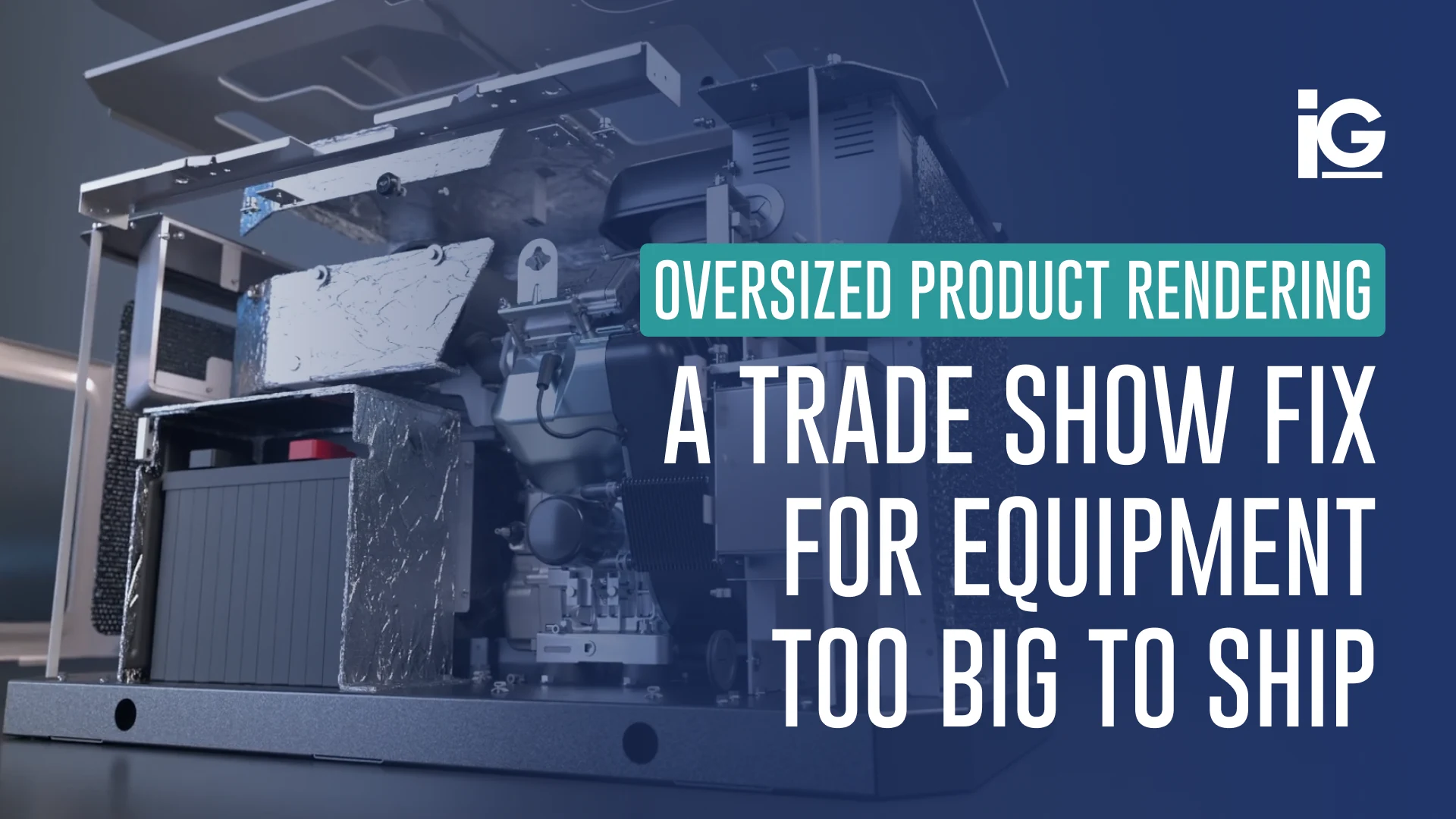
- Cutaway renders reveal internal components and system behavior
- Structured navigation that mirrors real-world maintenance and operation workflows

This interactive experience has reshaped how teams learn and communicate about their products. It transforms static data into motion and context, giving users a visual framework they can explore, not just read. 3D Model Pro shows how interactive technical content can turn complexity into understanding — making knowledge more accessible, accurate, and engaging.
Interactive Content: A Unified Communication Framework
Interactive content serves as a strategic bridge across industrial teams. It brings engineering, manufacturing, and service functions together through shared visual references that remove ambiguity and improve collaboration.
Cloud-based and adaptable, it delivers consistent training and communication across global operations. Updates roll out instantly, ensuring every site uses the same accurate, up-to-date information.
Integrated into the digital thread, it links design, production, and maintenance data into a single, connected system — closing the gap between technical precision and everyday execution.
This unified approach fosters alignment, speeds decision-making, and strengthens how organizations share knowledge in an increasingly connected industrial world.
The Future of Industrial Learning and Communication
The rise of interactive technical content marks a turning point in how industries share, sustain, and scale knowledge. No longer limited to static manuals or dense documents, teams can now communicate visually — quickly, consistently, and without ambiguity.
As automation, AI, and connected ecosystems continue to redefine operations, the ability to translate complexity into clarity is becoming the accurate measure of competitive advantage. Organizations that master visual communication will innovate faster, train smarter, and operate more safely, because they’ll speak the same visual language across every system and site. Ultimately, every technical innovation succeeds or fails on one factor: how clearly it’s understood. Interactive technical content bridges that gap — turning complexity into comprehension and comprehension into confident action.
At Info-Graphics, we work with organizations to make complex ideas clear through visual communication. By connecting data, design, and people, we help teams understand and apply information with precision and confidence. Learn more about our approach to visualization and interactive learning through our interactive solutions.




Leave A Comment