

Most small businesses don’t lose customers because their products are bad. They lose them because their message is unclear.
Knoxville (TN) is home to a growing and diverse creative community, with no shortage of agencies, freelancers, and design resources to choose from. In that kind of environment, attention is limited, and patience is even shorter. When visuals confuse, overwhelm, or fail to clearly explain what a business offers, people move on. That’s why Knoxville graphic design for small businesses plays a much bigger role than many owners realize. It is not about being flashy. It is about being understood.
With more than 30 years of experience creating technical and visual content, Info-Graphics focuses on helping small businesses communicate clearly through accurate, reusable visual content. By aligning visuals across websites, marketing materials, and sales conversations, businesses reduce confusion, support faster decision-making, and build stronger customer confidence.
Why Clarity Matters in a Crowded Creative Market
Recognized as one of the country’s growing creative hubs, it is no surprise that Knoxville boasts a myriad of creative agencies and designers. This thriving scene pushes small businesses to compete not only on product or service quality but also on how clearly and confidently they communicate their value.
We’ve seen that when visual communication lacks structure or consistency, customers hesitate. They second-guess what a product does, how it works, or whether it is right for them. Clear design removes that friction; it helps customers understand faster and decide with confidence. That is the practical value of Knoxville graphic design for small businesses when it is approached thoughtfully.
Designing With Purpose, Not Just Style
Good graphic design is not about decoration. It is about function.
The Yale School of Art website is frequently cited in design discussions as an example of brutalist web design in its most literal form. The aesthetic is intentionally raw and unconventional, prioritizing expression over convention. While effective as a creative statement, it often makes basic tasks such as navigation and information discovery more difficult than necessary.
That distinction matters, particularly for small businesses.
We focus on visual systems that explain, guide, and support real use cases. This means prioritizing accuracy, hierarchy, and usability over trends or visual noise. Every graphic should have a clear purpose, whether it is helping a customer install a product, understand a feature, or recognize a brand across channels.
This approach is especially important for small businesses that need their content to work harder and remain useful over time.
Making Better Use of Existing Assets
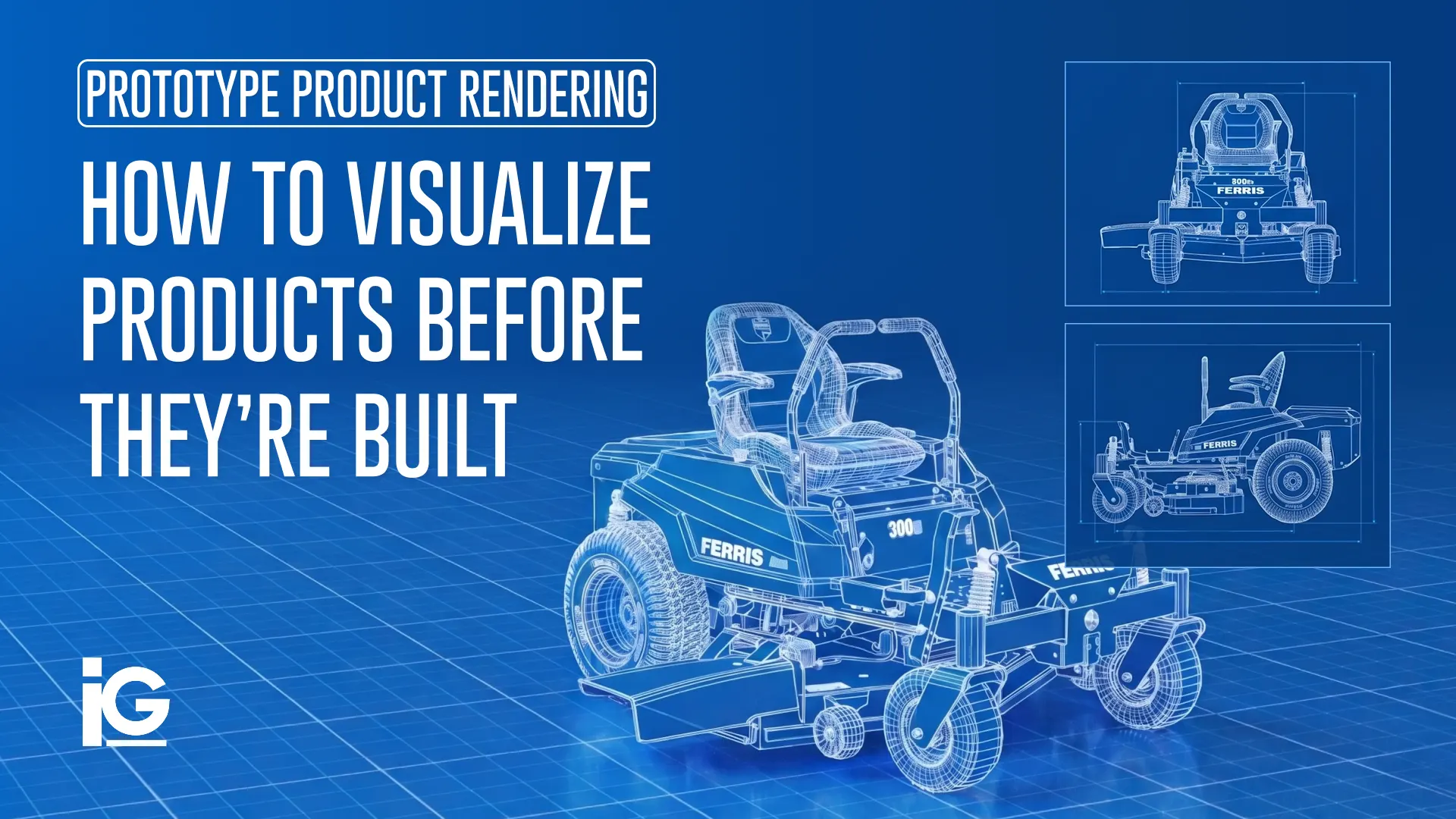
Industry platforms like Shopify note that 3D product rendering allows businesses to reuse existing product data across e-commerce, marketing, and digital experiences. Instead of creating new visuals for every channel, a single asset can support multiple touchpoints throughout the product lifecycle.
We apply the same asset-first approach by starting with CAD and engineering files and adapting them into visual content that remains useful long after a product launch. This method helps small businesses move faster, maintain consistency, and maximize the value of assets they already own.
This includes:
- Technical illustrations for manuals and guides
- Photo-realistic product renders for marketing and e-commerce
- Animated visuals to explain complex processes
- Interactive content for sales and training
Extending the life of these assets reduces rework and supports more efficient, scalable visual communication.
Supporting Small Business Teams Without Adding Complexity
Small businesses do not need more tools or more moving parts. They need systems that simplify communication.
A Business News Daily online article highlights that effective design plays a critical role in how a business communicates and is remembered. According to Lilian Crooks, creative director at Harcum College, good design helps clarify messaging, cut through marketing noise, and organize information in a way that resonates with a specific audience. When design and messaging work together, they make a business’s value clear, legible, and memorable.
We design visual content to integrate seamlessly into existing workflows, supporting marketing, sales, and training without adding complexity. Assets are built with flexibility in mind, allowing them to be updated or repurposed as products, channels, and messaging evolve.
This makes Knoxville graphic design for small businesses a long-term investment in clarity and usability than a one-time creative expense.
Explaining Complex Products in Simple Ways
Many small businesses offer products that are technically sophisticated but difficult to explain quickly. Internal components, performance differences, and installation details often matter to buyers, yet are hard to communicate through text or static images alone.
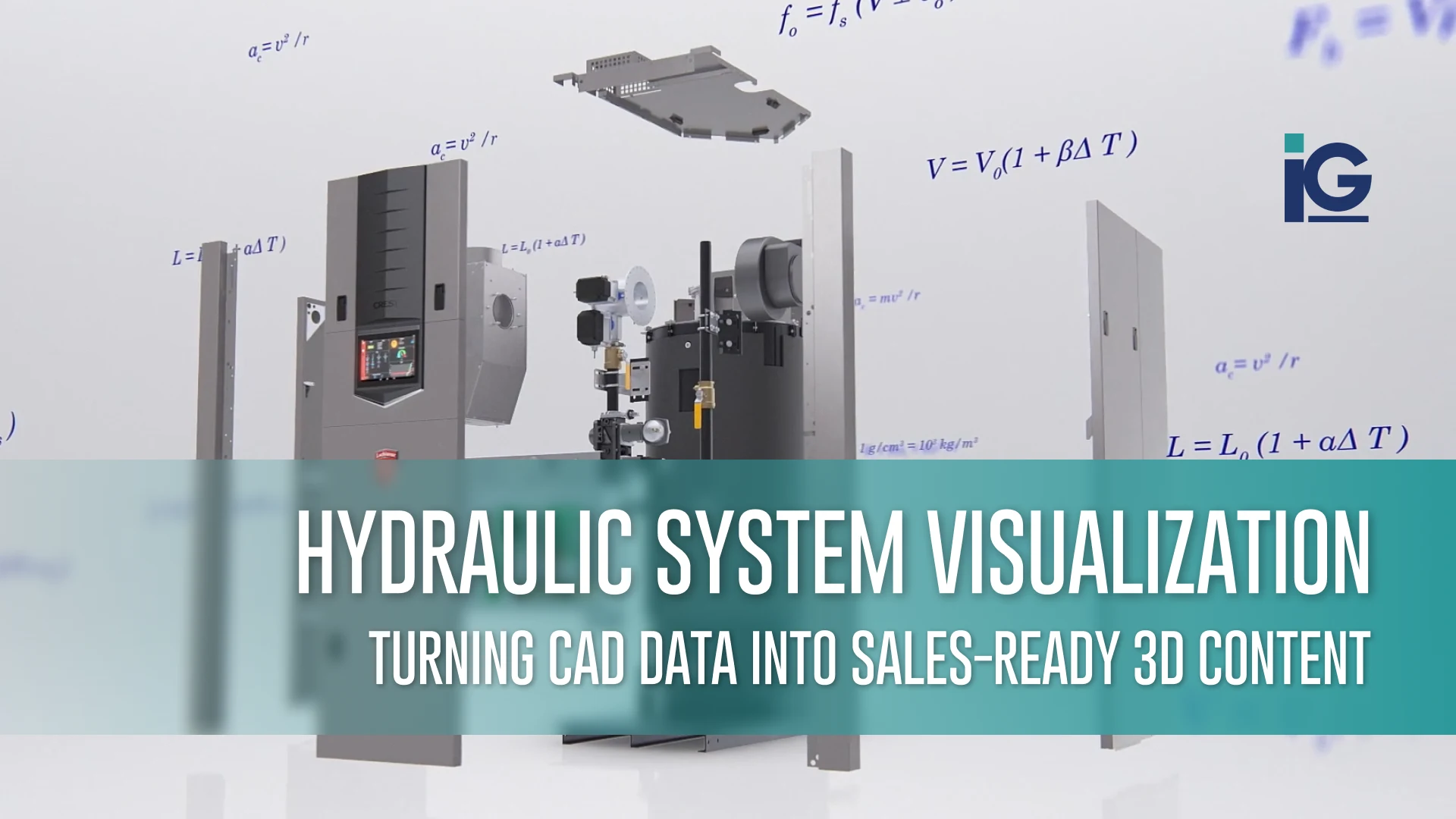
We’ve seen this firsthand when working on industrial and mechanical products, such as a recent product animation developed for Lochinvar’s Hellcat commercial boiler. The challenge was not making the product look impressive, but clearly showing how it worked, what set it apart, and why those details mattered to engineers, installers, and buyers.

Visual storytelling helps bridge that gap. Through animation and visual sequencing, complex internal systems and processes can be revealed in a way that feels intuitive rather than overwhelming. This is where approaches like professional animated infographics for product storytelling become especially effective, translating technical detail into visuals that support understanding rather than distraction.
These types of visuals are often used to support sales conversations, product launches, and training, helping audiences understand functionality before they ever see the product in person. When buyers can clearly see how a product works, conversations move faster, and decisions are made with greater confidence.
Consistency Across Every Touchpoint
Inconsistent visuals and messaging slow understanding. When websites, sales materials, and manuals explain a product differently, customers hesitate.
Consistency is not about repeating the same design. It is about aligning structure, terminology, and messaging so complex ideas remain clear at every stage. We explore this further in Technical Content Agency 101: Simplifying Complex Ideas, where shared frameworks help teams communicate technical information more effectively.
We focus on consistency across:
- Websites and Landing pages
- Marketing and promotional materials
- Sales presentations
- Instructional and support content
When each touchpoint reinforces the same message, customers understand faster and move forward with confidence.
A Practical Measure of Success
Effective design is easy to recognize, even if it is not always obvious.
When visual content is working well, businesses typically see:
- Fewer customer questions
- Faster understanding during sales conversations
- More confident purchasing decisions
- Reduced support and return issues
These outcomes matter more than visual trends or awards.
Clear Design Leads to Better Decisions
In a city with a deep and growing creative community, standing out is not about being louder or more experimental. It is about being clearer.
Effective graphic design helps small businesses explain what they offer, guide customers through decisions, and stay consistent across every touchpoint. When visuals are accurate, purposeful, and built to last, they reduce friction, support trust, and scale alongside the business.
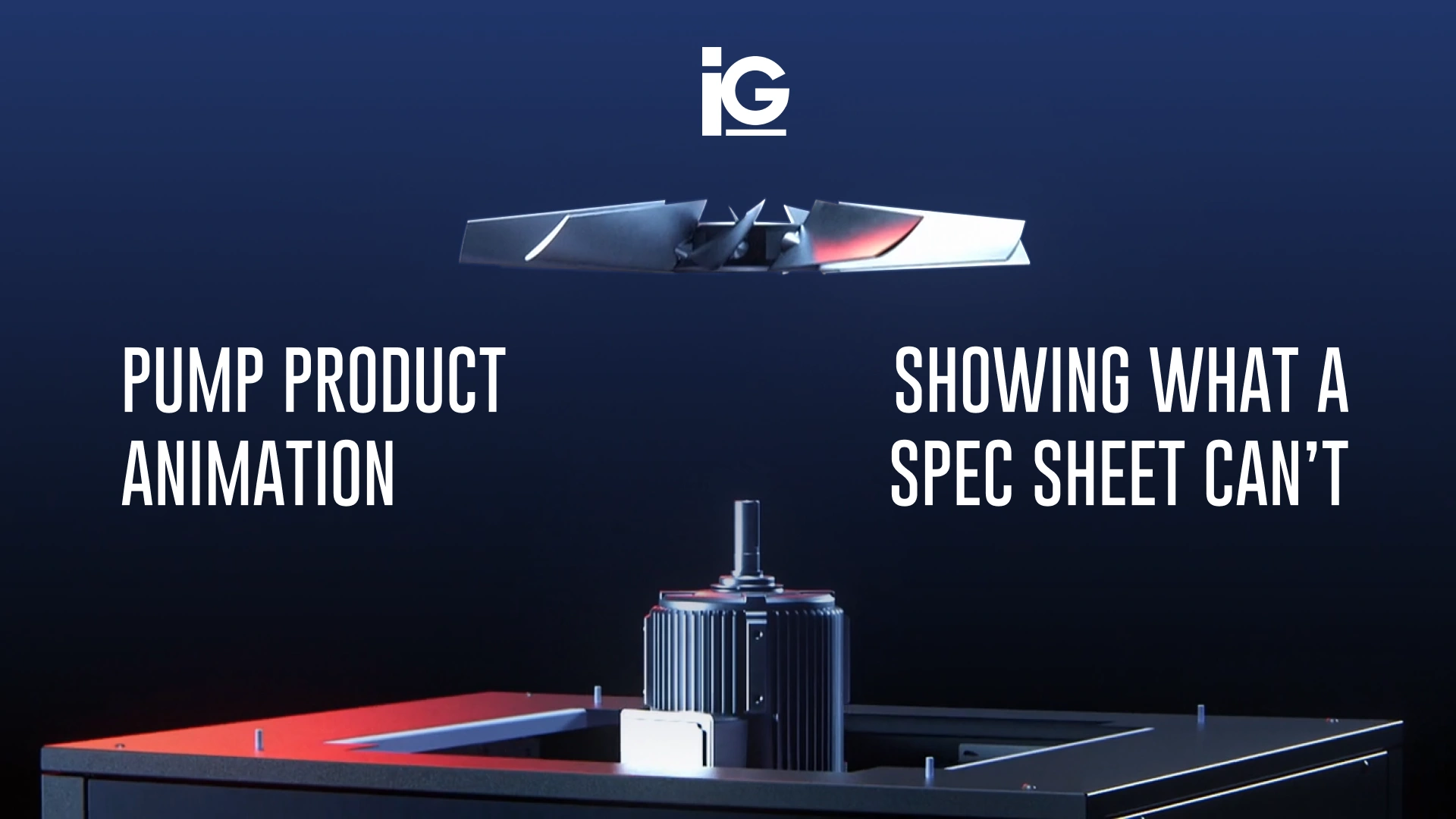
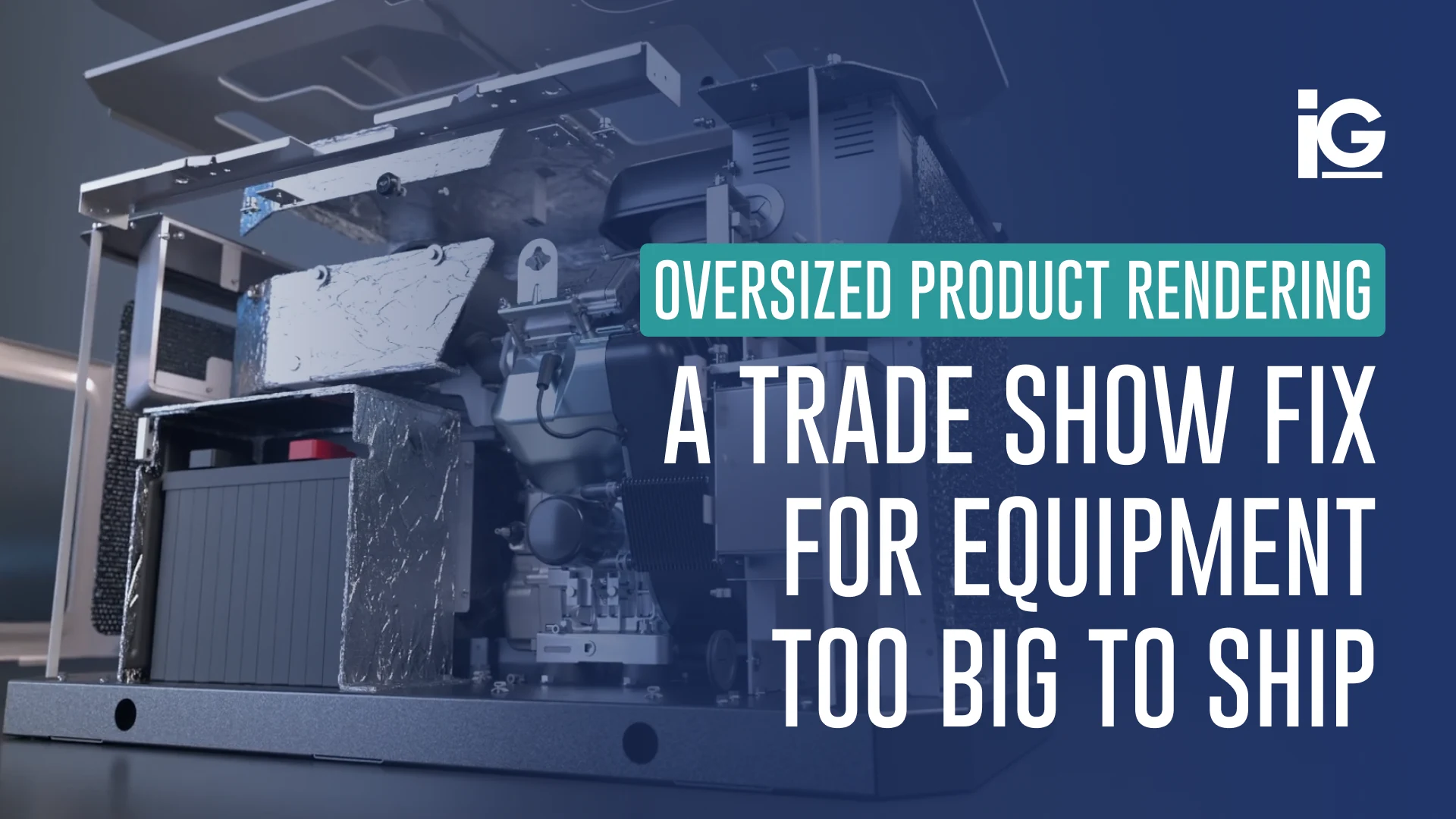
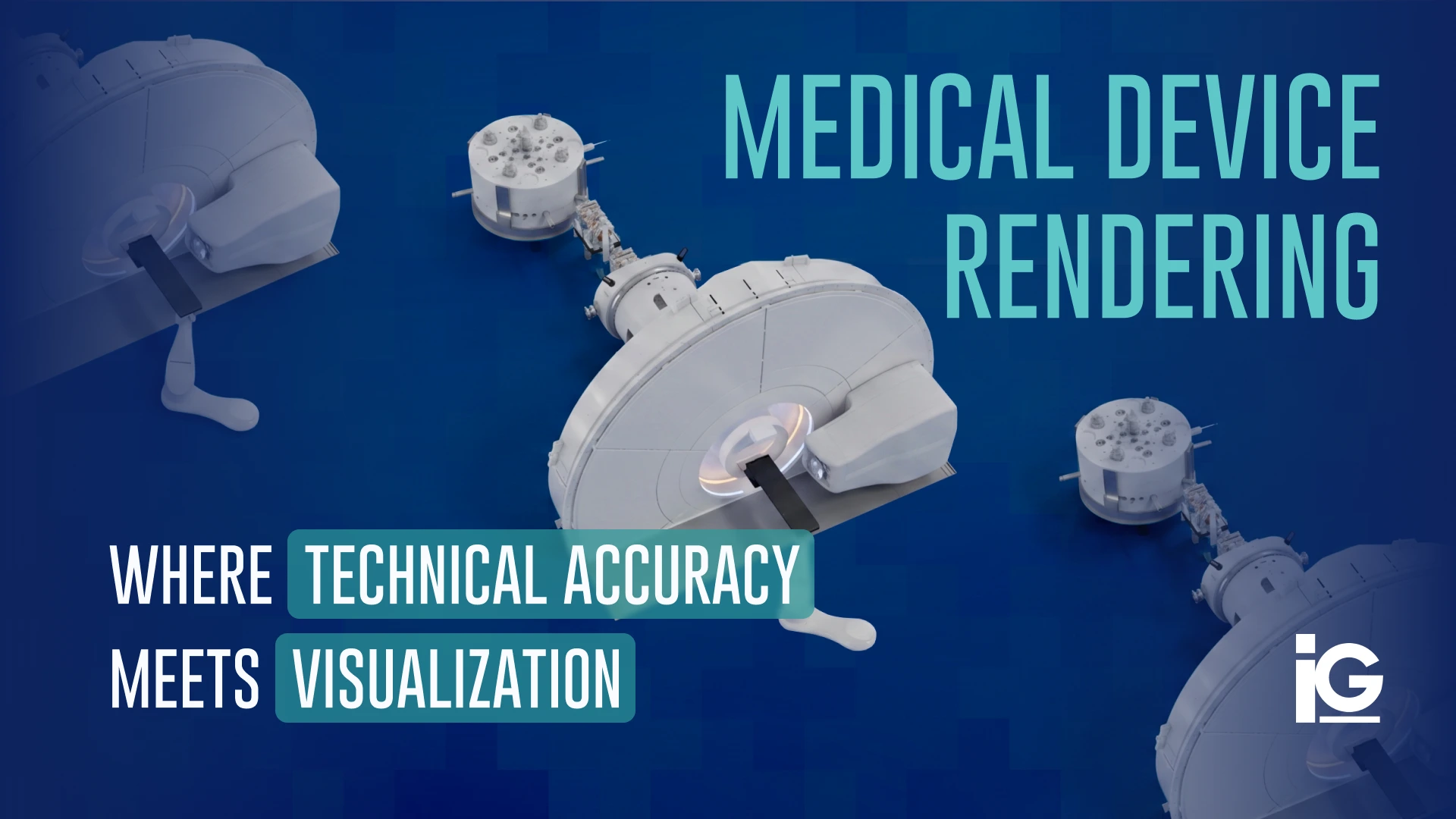
If you are rethinking how your products or services are being explained visually, seeing real examples can be more useful than reading theory. Explore how Info-Graphics simplifies complex products into clear, usable visual content across industries, from technical illustrations to product animation. It is a practical way to evaluate what clarity could look like for your own business.






Leave A Comment