
Animation is no longer a creative extra. It is a practical business tool for explaining complex ideas, visualizing products, and supporting marketing and sales across digital channels.
For companies researching Knoxville animation pricing, the real question is rarely about finding the lowest quote. It is about understanding what drives costs and the quality level required to meet specific business goals.
For organizations evaluating animation services in Knoxville, Tennessee, pricing often reflects a balance between regional accessibility and professional production standards. Local Knoxville animation studios frequently support projects that require both visual accuracy and long-term usability.
Animation also works best when it is part of a broader visual strategy. Businesses exploring Knoxville graphic design for small businesses often find that animation supports the same objective: clear, practical visuals that help teams communicate effectively and grow with confidence.
Why Knoxville Animation Pricing Is Not One-Size-Fits-All
Animation pricing reflects production effort, not guesswork. While Knoxville studios may offer more competitive rates than larger metro markets, professional animation still follows the same core principles everywhere.
What ultimately drives pricing is how much work is required to plan, produce, and deliver the animation. Factors such as creative scope, technical complexity, and intended use all play a role.
Among these factors, the type of animation is often the most influential, as it determines the level of skill, time, and resources needed to execute the project.
1. Type of Animation
The animation format has the greatest impact on pricing because each style has different production requirements.
Common types include:
2D animation and motion graphics
2D animation is commonly used for explainer videos, instructional content, and digital communication, where clarity and simplicity are the priority. Because it relies on flat visual elements rather than three-dimensional models, production timelines are generally shorter, and costs are typically lower than those of other animation formats.
For example, in public transportation and technology contexts, 2D animation is often used to explain systems or processes that users interact with regularly. In the Umo Scan Ride animation for Cubic, visual storytelling illustrates how riders and transit agencies interact with fare management systems, helping audiences understand the functionality without technical background knowledge.

3D animation
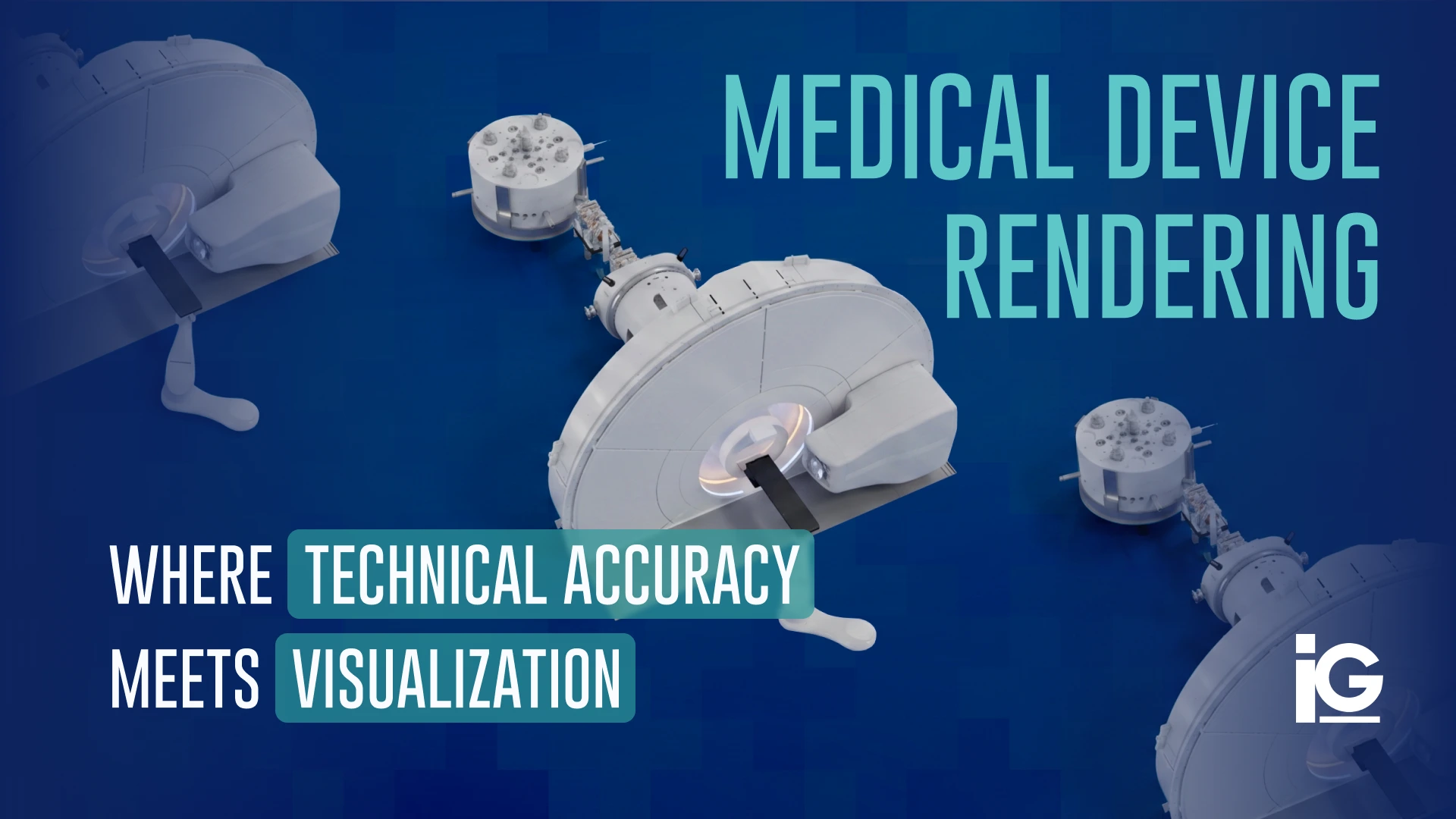
3D animation is widely used in product visualization, architecture, manufacturing, and medical fields, where spatial understanding is critical. This format allows viewers to see how a product or system operates in three dimensions, which can be especially useful for demonstrating movement, structure, or internal components.
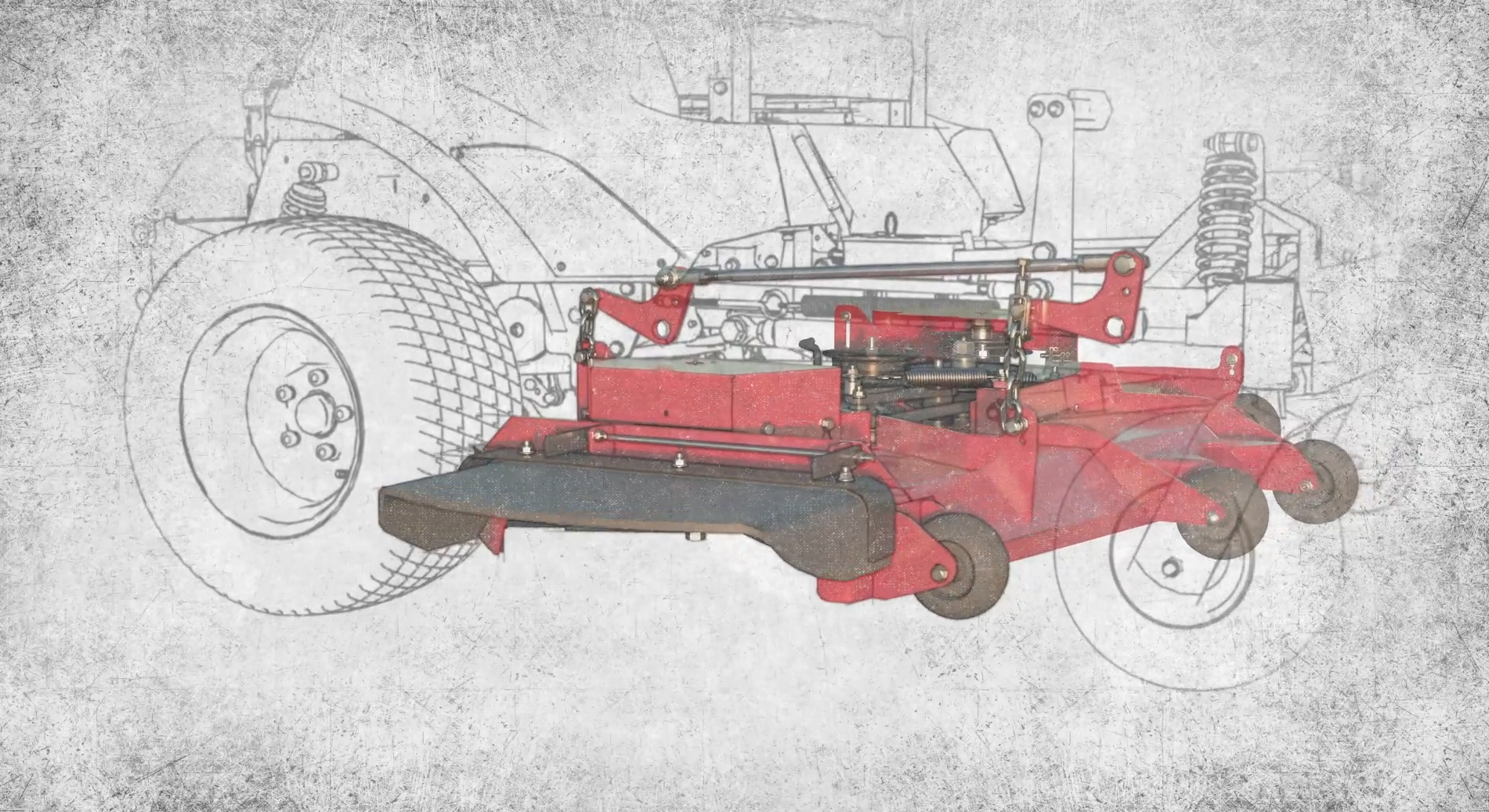
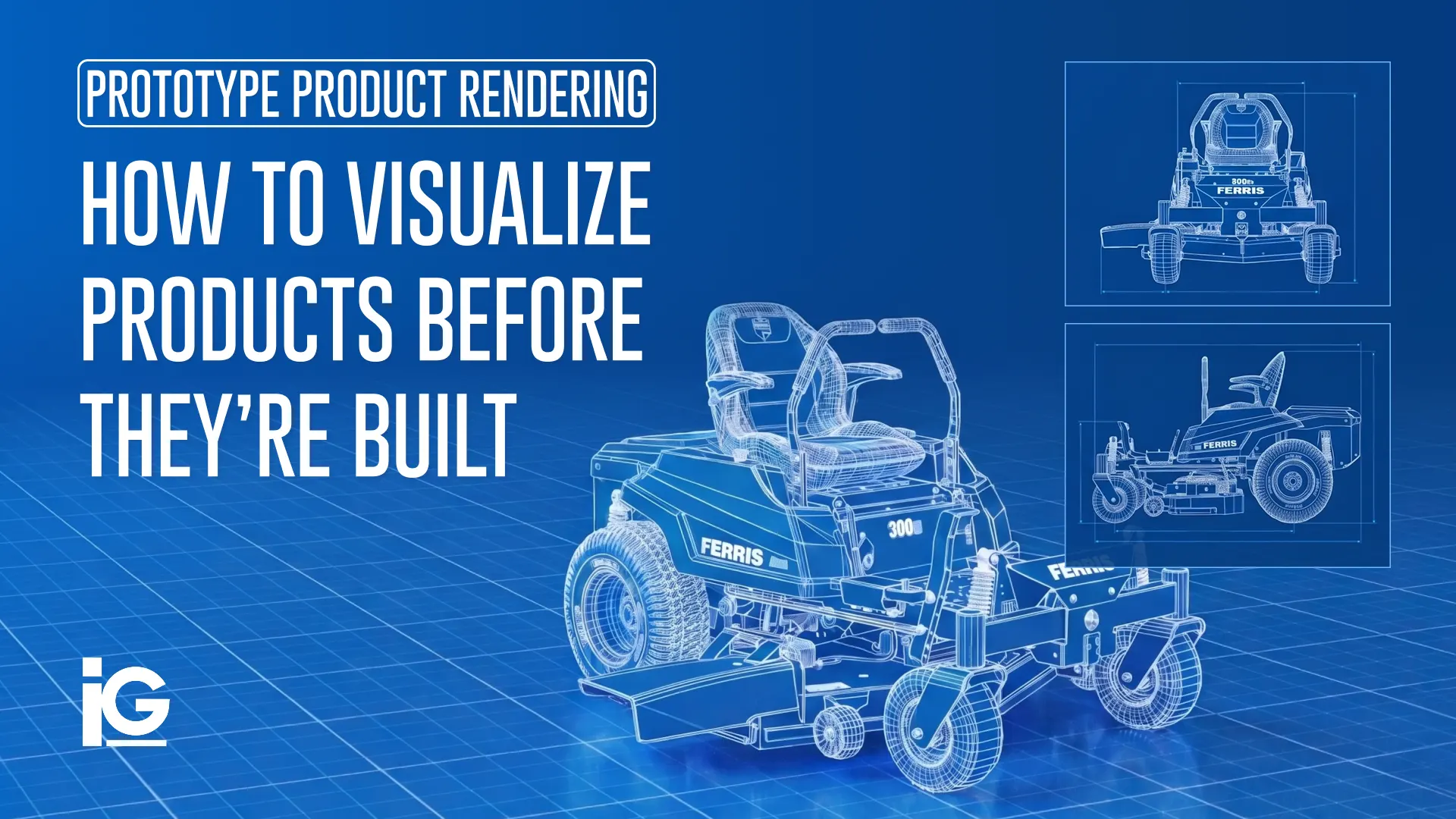
A typical application is equipment and machinery demonstrations. In the Ferris Mowers animation, three-dimensional visuals illustrate how suspension technology affects the operator experience, providing a clearer sense of motion and design than static imagery alone.
Photorealistic 3D rendering
Photorealistic 3D rendering focuses on achieving high visual accuracy, often closely resembling real-world materials, lighting, and textures. This approach is commonly used in industrial, architectural, and engineering-driven industries where precision is critical.
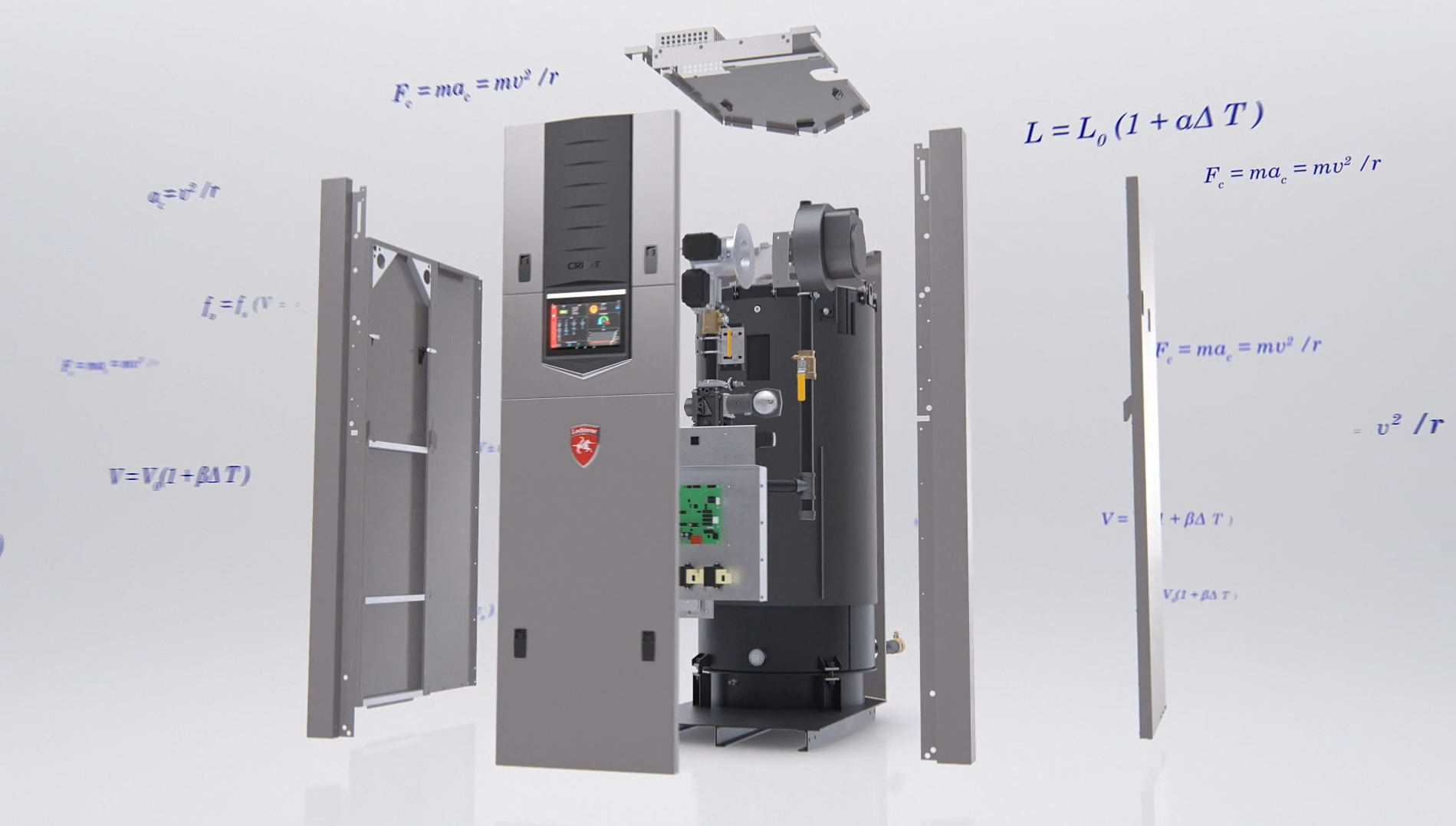
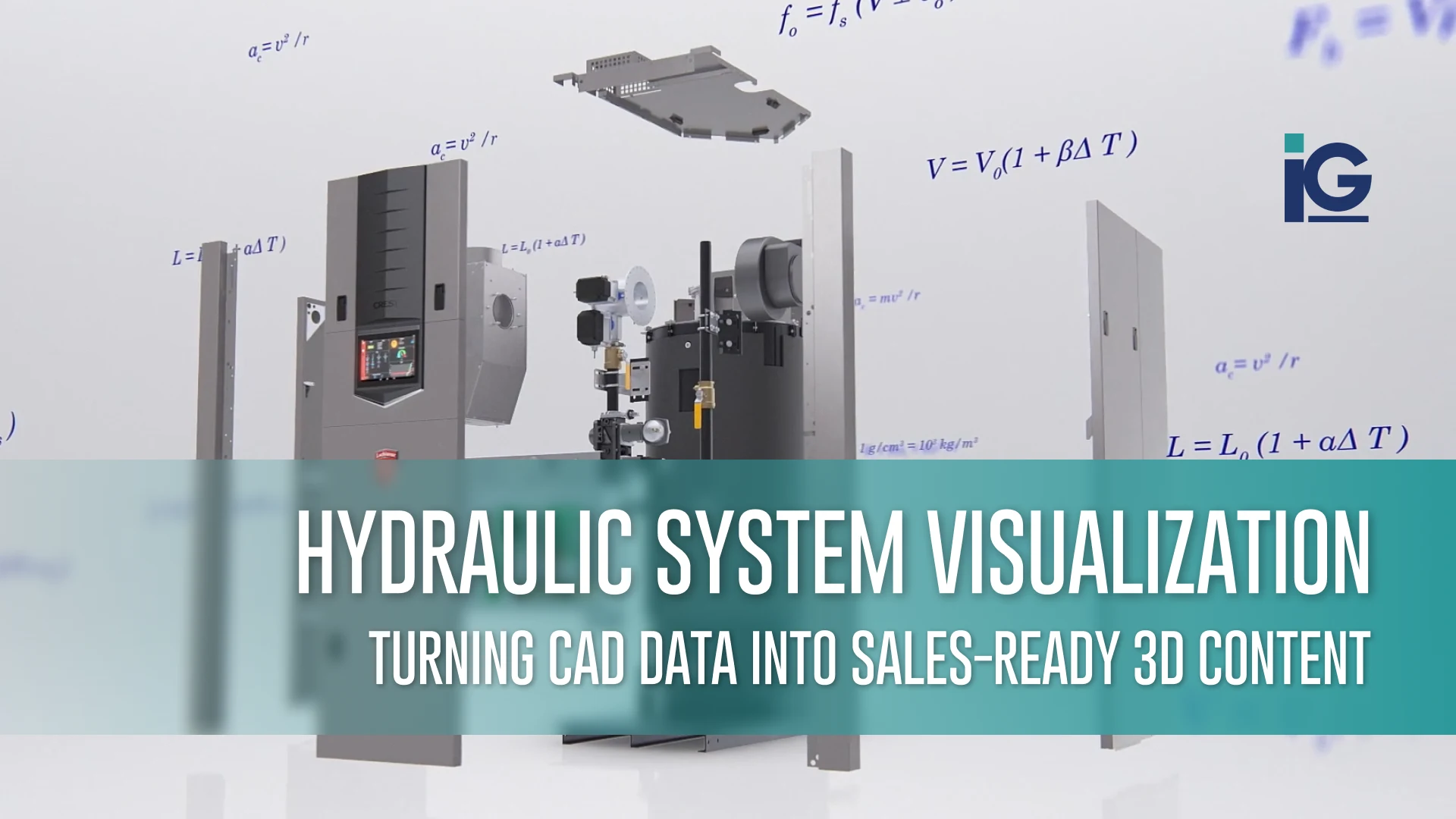
In technical product presentations, this level of realism can help communicate design details that would otherwise be difficult to convey. For example, Lochinvar’s sales video for its Crest with Hellcat Commercial Boiler illustrates how detailed rendering can present complex equipment in a controlled, visually consistent way that supports technical understanding.
Character animation
Character animation introduces additional complexity through rigging, motion refinement, facial expression, and narrative pacing. It is often used in training, education, and storytelling contexts where human behavior and emotion play an important role.
Industry discussions, such as Vogue Singapore’s coverage of collaborations between luxury fashion houses and animators, highlight how character-driven animation depends on artistic judgment, cultural awareness, and nuanced movement. These elements are difficult to automate fully and typically require more hands-on creative involvement
2. Complexity Over Length
Animation is not priced by duration alone. A short animation can cost more than a longer one if it includes:
- Detailed environments
- Advanced camera movement
- High realism expectations
- Multiple visual styles
In animation pricing, complexity consistently outweighs length.
3. Pre-Production and Planning
Pre-production is one of the most overlooked factors in animation pricing, yet it often determines the project’s success.
This phase typically includes:
- Script development
- Storyboarding
- Visual direction
- Style references and approvals
Clear planning reduces revisions, protects timelines, and improves final quality. Studios with established workflows tend to deliver more consistent outcomes because expectations are aligned early.
4. Talent and Technical Resources
Even in a market like Knoxville, high-quality animation relies on experienced artists and specialized tools.
Pricing reflects:
- Animator and technical artist expertise
- Professional animation software
- Rendering infrastructure
- Quality control processes
Lower-cost animation often prioritizes speed over polish, while higher-tier animation focuses on accuracy, longevity, and brand alignment.
5. Intended Use and Longevity
Another important factor in Knoxville animation pricing is how the animation will be used.
Key considerations include:
- Marketing versus internal use
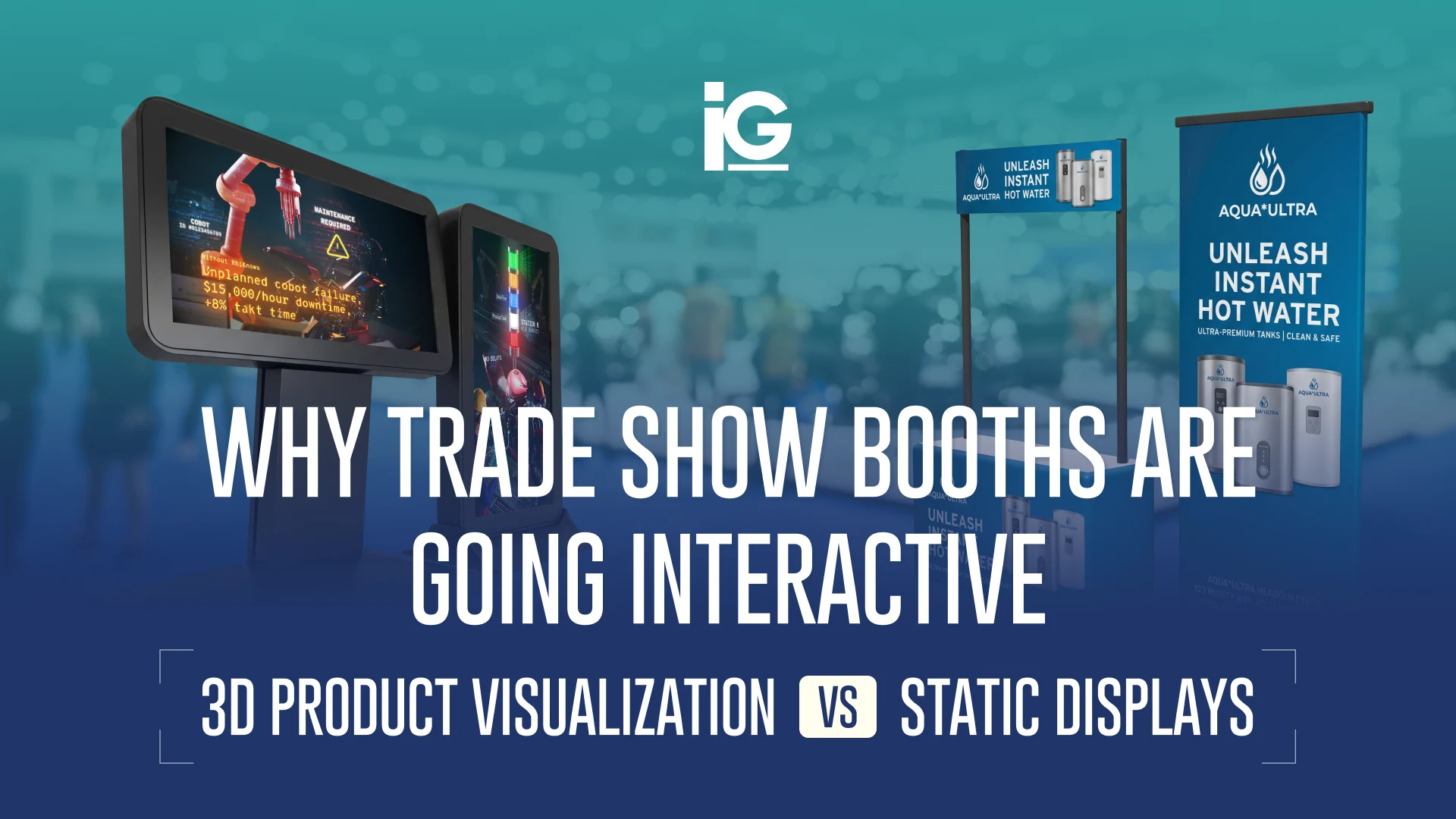
- Website, social media, trade shows, or presentations
- Expected lifespan of the content
- Ability to reuse or update visuals
Animation designed for long-term, multi-channel use typically requires higher upfront investment but delivers stronger value over time.
In Knoxville-based manufacturing, architecture, and product development projects, 3D animation is often used to visualize concepts before physical production. While this increases upfront animation costs, it frequently reduces downstream revisions and miscommunication.
Typical Knoxville Animation Pricing Ranges
Animation pricing varies based on format, complexity, and production standards, not location alone. To provide realistic expectations for 2026, the pricing ranges below are based on established industry benchmarks, not individual studio quotes.
These estimates are based on widely referenced animation cost analyses published by B2w.TV, F Learning Studio, and Vidico, all of which regularly document how animation pricing scales with style, complexity, and production effort.
Together, these sources reflect current industry standards and projected pricing structures heading into 2026. The table below uses these benchmarks as a general planning framework, helping businesses compare animation options and budget more effectively before requesting custom quotes.
| Pricing Tier | Animation Type | Estimated 2026 Cost Range (Per Finished Minute) | Best Suited For |
| Entry-Level Animation | Basic 2D animation and simple motion graphics | $1,000 – $3,000 | Short explainers, internal videos, simple digital campaigns, straightforward messaging |
| Simplified 3D animation | $3,000 – $7,000 | Early product concepts, low-detail visualizations, basic demonstrations | |
| Mid-Range Commercial Animation | Custom 2D animation | $3,000 – $12,000 | Marketing campaigns, branded explainers, repeat-use digital content |
| Standard 3D animation | $7,000 – $20,000 | Product demos, manufacturing visuals, architectural or technical overviews | |
| High-End and Photorealistic Animation | Premium 2D with advanced design or characters | $12,000 – $15,000+ | Brand storytelling, character-driven narratives, training, or educational content |
| Photorealistic and advanced 3D animation | $20,000 – $50,000+ | Product launches, architectural walkthroughs, industrial and engineering visualization |
These ranges reflect typical production effort rather than fixed pricing. Final costs depend on factors such as animation complexity, asset creation, planning requirements, and scope of revisions.
For teams comparing animation options, this framework is most useful for aligning expectations and asking better questions, rather than as a definitive price list.
Questions to Ask When Comparing Knoxville Animation Pricing
Before requesting quotes, it helps to clarify expectations. Consider asking:
- What level of realism is required?
- How many revision rounds are included?
- Will the animation need updates, or can it be reused later?
- Who owns the final assets?
- What is included in pre-production?
These questions help ensure pricing comparisons are meaningful and aligned.
Choosing the Right Animation Partner
Pricing should never be evaluated in isolation. Experience, communication, and process clarity are just as important.
Strong animation partners can:
- Clearly explain their workflow
- Show relevant industry experience
- Align visuals with business objectives
- Set realistic timelines and expectations
These factors often determine project success more than cost alone.
Making Smart Decisions About Knoxville Animation Pricing
For organizations in Knoxville, Tennessee, animation pricing is best understood as an investment in clarity, credibility, and long-term communication. Well-executed animation continues to support marketing, sales, and education long after it is delivered.
Studios with deep experience in 3D rendering and animation, such as Info-Graphics, typically take a measured, long-term approach to planning and production, emphasizing accuracy, usability, and consistency.
For teams considering animation support or collaborative work, engaging with studios that prioritize thoughtful scoping and practical execution can help clarify next steps and set realistic expectations. Info-graphics remain a relevant point of reference for organizations exploring animation partnerships rooted in real-world application and production discipline.
The strongest outcomes tend to come from partnerships built on shared understanding and clear intent, rather than cost alone.




Leave A Comment