
How do you show a buyer exactly why your product is the right choice without overwhelming them?
Businesses face this challenge every time they launch a new product or service. The product works. The engineering is solid. But explaining how it works, why it matters, and how it fits into a real-world environment is where things often break down. When static images or traditional manuals fall short, animation becomes the bridge between technical accuracy and buyer understanding.
As buyer trust becomes the deciding factor, especially in technical markets, teams are rethinking not just what they show, but how they show it. This shift is evident in regional markets as well, including the evolving landscape of animation companies in Knoxville, where the focus is moving from one-off creative assets to long-term, technically reliable partnerships.
Short Answer: Is 3D Animation easier Than 2D?
In many business environments, 3D animation becomes easier than 2D over time, particularly for physical or evolving products. While 2D animation is often faster and simpler for short-term storytelling, 3D creates reusable, scalable assets that reduce effort across the full product lifecycle.
The real question is not which format is easier to create once, but which is easier to maintain, trust, and reuse.
Is 3D or 2D Animation Easier for Long-Term Business Use?
In professional environments, “ease” is measured by how efficiently a visual asset moves from concept to something that consistently supports sales, training, and decision-making.
2D Animation: Agile Communication
2D animation offers speed and flexibility. It is illustration-based, making it effective when messages change frequently or when explaining abstract ideas, services, or narratives.
3D Animation: Operational Sustainability
Many industrial and technical teams find 3D animation easier to manage over time. While it requires upfront investment, those assets become a digital foundation that can be reused, updated, and scaled across product lines without rebuilding.
In short, 2D favors immediacy, while 3D favors longevity.
Comparing 2D and 3D Across Key Business Objectives
| Evaluation Area | 3D Animation | 2D Animation |
| Initial Production Effort | Strategic upfront modeling | Agile illustration-based start |
| Buyer Understanding | Strong for physical systems | Strong for abstract ideas |
| Scalability over Time | High; supports product variants | Limited as complexity increases |
| Cost Profile | Higher upfront; strong long-term ROI | Lower upfront; lower reuse |
Is 3D Animation Easier for Buyers to Understand?
The easiest format for buyers is the one that makes them say, “I get it.”
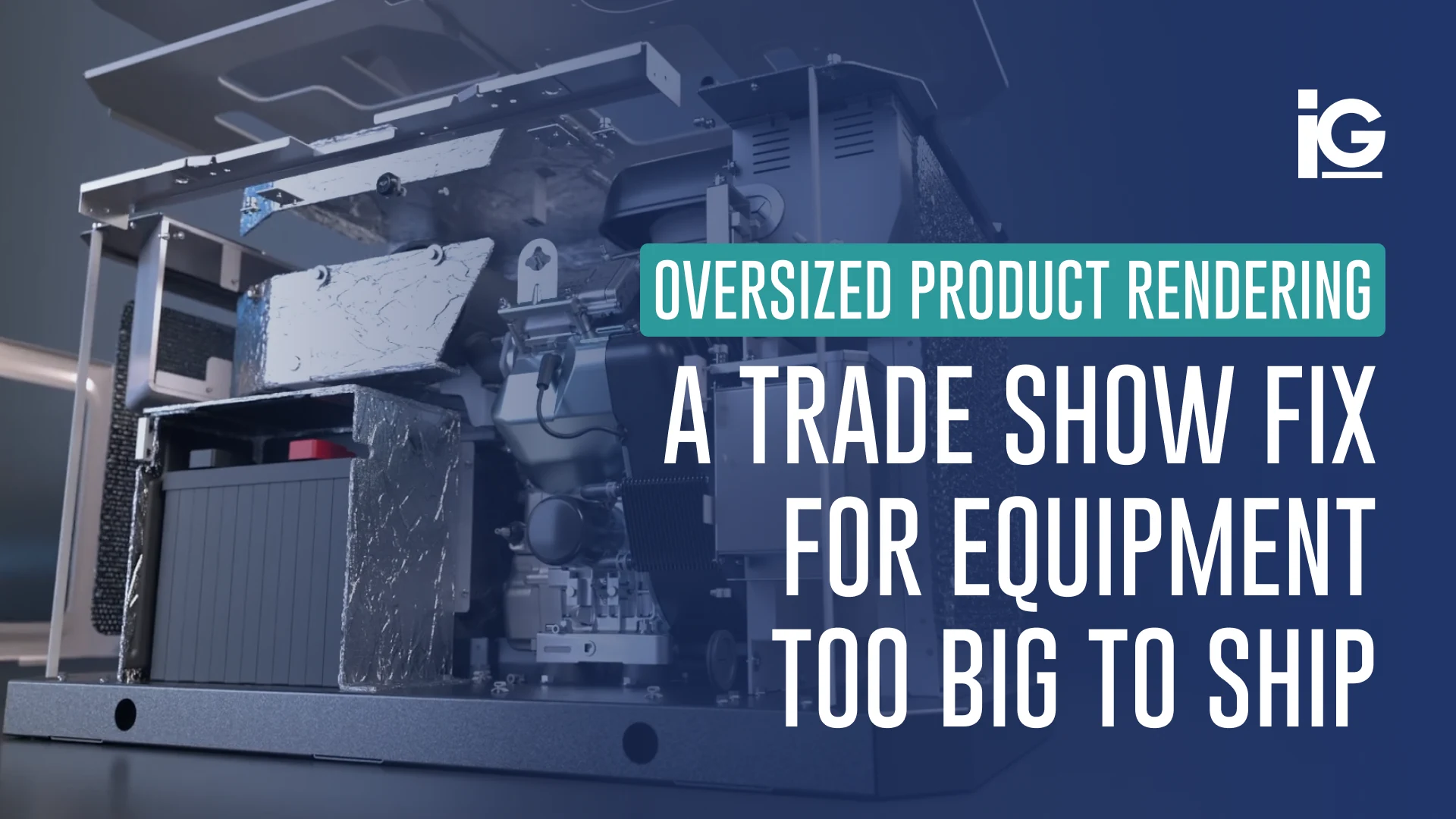
- 3D for Physical Reality: For tangible products, 3D animation reduces guesswork. Showing how components interact in realistic space builds clarity and confidence, especially for installation, assembly, or internal mechanisms.
- 2D for Abstract Logic: 2D excels when realism would distract. Software workflows, services, and conceptual systems are often clearer when simplified, keeping focus on logic rather than form.
The Strategic Playbook: Marketing & Advertising
Leading brands choose their format based on the “mission” of the message and the needs of their target audience.
2D: The Heart of the Narrative
- Honda “Paper”: Used 3,000 hand-drawn images to visualize innovation. This masterpiece was nominated for an Emmy and swept the Clio awards.
- Metro Trains “Dumb Ways to Die”: Flipped the script on boring safety PSAs with humor, resulting in a 30% reduction in accidents and 5 Grand Prix at Cannes Lions.
- Chobani “Eat Today, Feed Tomorrow”: Leveraged a nostalgic style and Joe Hisaishi score to turn brand purpose into a visual experience.
3D: The Power of Presence
- Yoga Book 9i: Transformed a dual OLED screen laptop into a fluid, moving sculpture. It secured both the Red Dot and Good Design awards.
- Heinz “Beanz”: Used the short film “Geoff” to personify product variations, making a simple can of beans feel high-tech and human.
- Huawei “Tech4All”: Used cinematic 3D to turn complex digital inclusion into a tangible story, winning the Red Dot Design Award.
2D drives emotional storytelling while 3D grounds innovation in a premium, tangible aesthetic. These high-level strategies are further proven through specific regional project outcomes.
Case Studies: When Format Choice Removes Buyer Friction
Analyzing specific project outcomes from studios specializing in descriptive, technical storytelling shows how format choice directly influences buyer behavior.
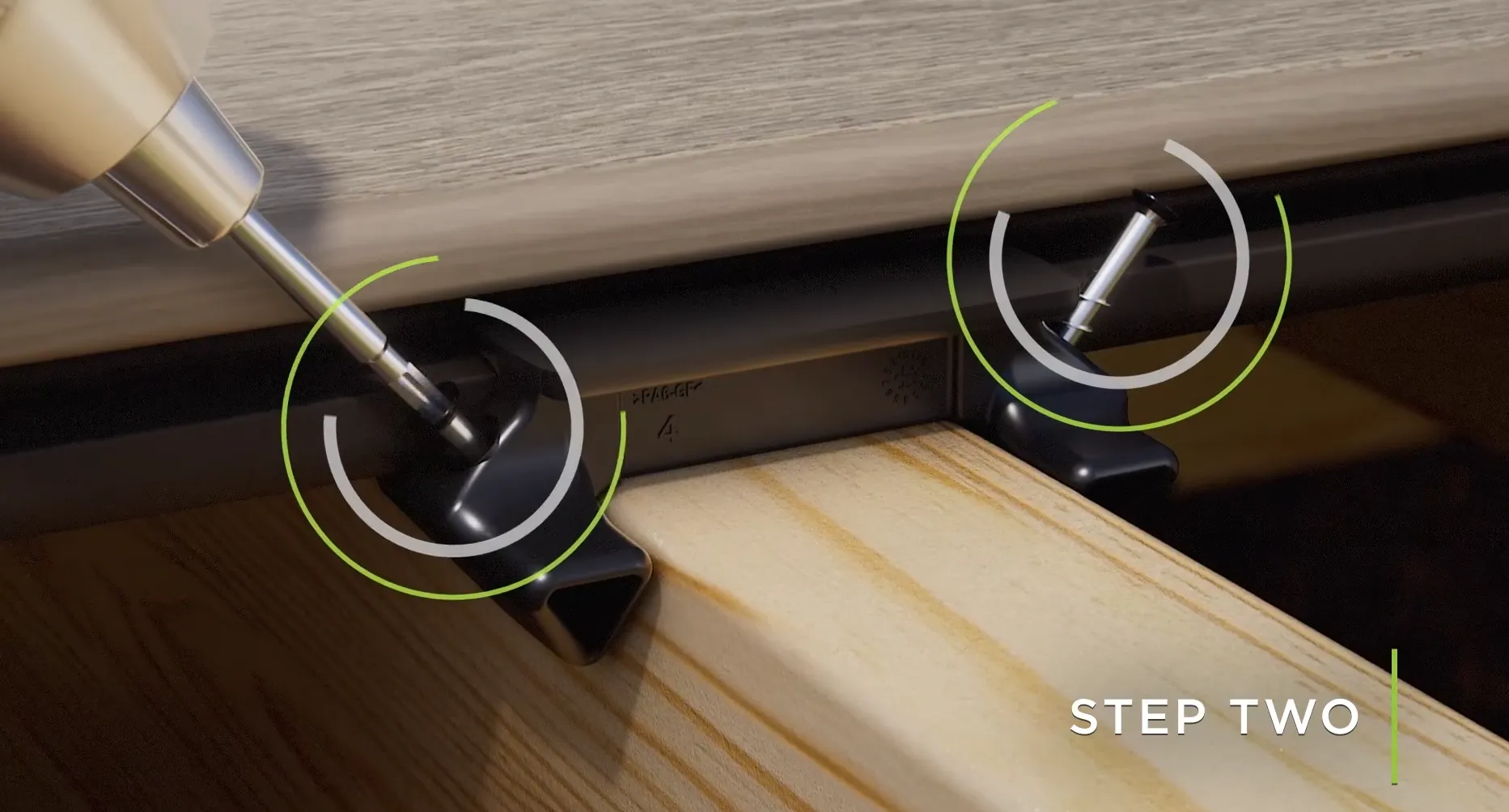
- Trex Decking (3D): This 3D product animation broke down a complex decking clip installation into realistic, sequential steps. By making the internal physical process visible, the animation clearly described the solution, building immediate DIY buyer confidence.
- Pointcore (2D): For Pointcore, a 2D approach was used to map out healthcare service workflows. By using simplified illustrations to describe the service’s logic, the animation removed the distraction of a literal environment, allowing the focus to shift to the efficiency of the process.

Each case shows that the easier format is the one that removes specific buyer obstacles. These results prove that communication clarity is tied to long-term content scalability.
Initial Cost vs. Long-Term Scalability
Don’t just look at the invoice; look at the lifecycle of your product line.
- 2D: The Accessible Entry: Lower upfront costs make this an efficient choice for immediate, one-off campaigns. However, costs scale linearly with video length because new drawings are required for each second of footage.
- 3D: The Strategic Asset. Across the product lifecycle, many find 3D animation easier to scale than 2D animation. Once the initial model is built, it can support evolving products and industrial marketing scale through simple updates.
2D is cost-effective for short-term needs, but 3D offers operational savings as product lines grow. This balance of cost and accuracy is a vital shield against the limitations of emerging automated tools.
Trust and Verifiability in the Age of AI
As AI tools like OpenAI’s Sora enter the market, the requirement for descriptive accuracy and traceability has become paramount for trust.
- The Risk of Visual Hallucinations: AI can accelerate ideation, but for technical products, it often lacks the visual trust needed for accuracy.
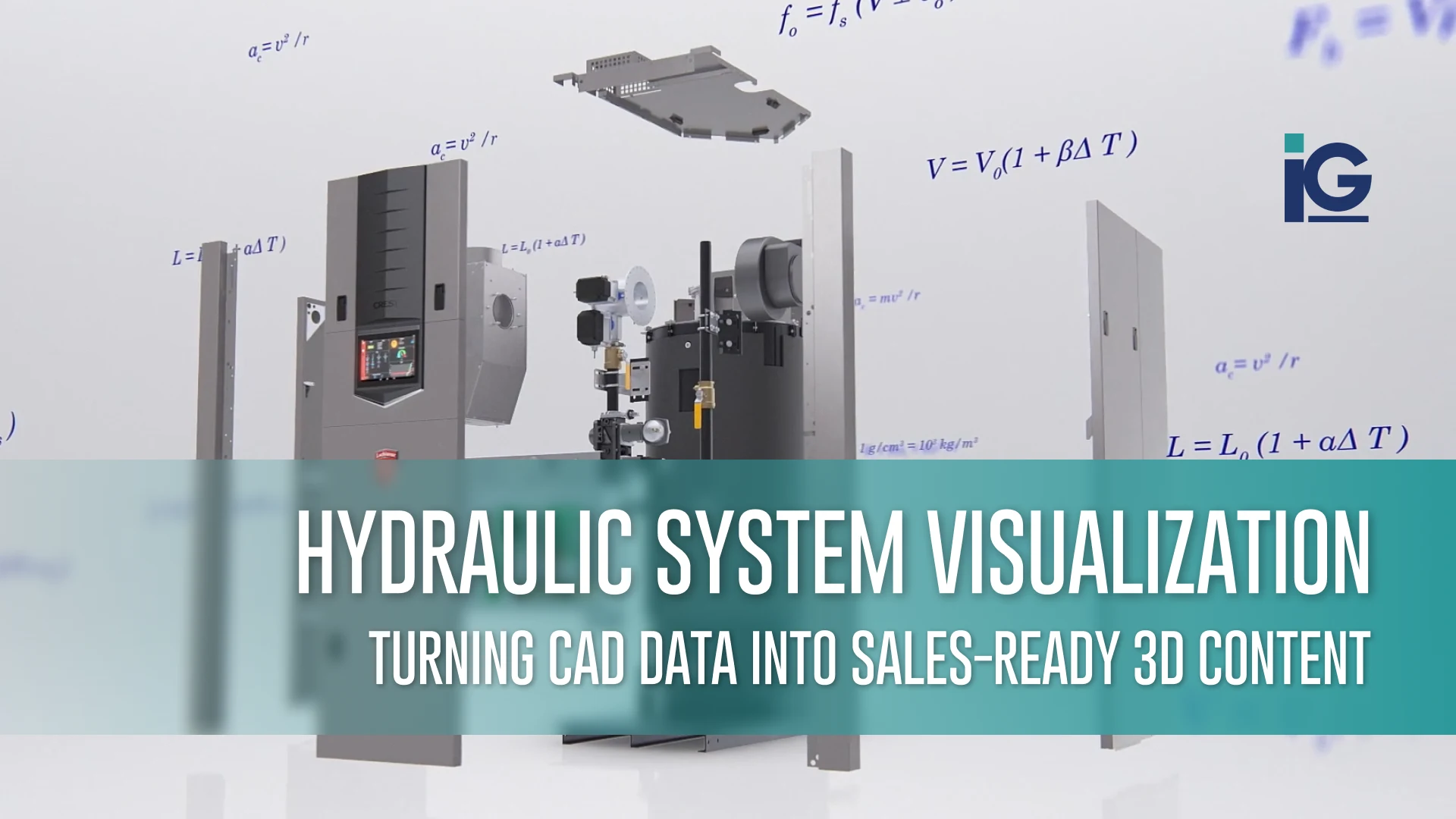
- The Value of Engineering Data: Professional animation remains anchored to real-world engineering references, ensuring that the visual representation of a product is verifiable and safe for instructional use.
Traceability to original designs remains the key differentiator between professional production and automated generation in technical environments.
Choosing the Right Animation Format
The real question is not whether 3D animation is easier than 2D. It is whether the format supports clarity, trust, and long-term usefulness. When content needs to explain how products work, fit together, or evolve, 3D often becomes the easier choice over time. When the goal is to communicate ideas or narratives quickly, 2D remains effective.
Ease is not about effort alone.
It is about effectiveness.
If you are evaluating how animation can support product clarity, buyer trust, or long-term reuse, Infographics works with teams to apply the right format based on communication goals, technical requirements, and audience needs.


Leave A Comment