

How do you explain a service when there is nothing physical to show?
For many organizations, the most challenging part of communication isn’t the value of their services, but making them easy to understand. Processes occur behind the scenes, systems interact invisibly, and outcomes depend on workflows that cannot be photographed or demonstrated in real time.
Commercial service animation addresses this challenge by transforming complex services into clear visual narratives. Instead of relying on dense explanations or abstract language, animation illustrates how systems, processes, and interactions actually work.
This approach is especially valuable for organizations that provide technical or service-driven solutions, as clarity directly influences understanding and adoption.
WHAT IS COMMERCIAL SERVICE ANIMATION?
Commercial service animation uses animated visuals to explain how a service works, rather than how a physical product looks. It is most effective for services built around workflows, systems, or interactions that cannot be captured solely through photography or live action.
Unlike traditional commercials that focus on a finished product or a single moment, service animation shows what happens behind the scenes. It clarifies how components connect, how processes unfold, and how value is delivered over time.
This clarity-first approach mirrors how technical animation agencies support product marketing, where engineering accuracy and structure guide communication. The same discipline applies to service explanation, where precision matters as much as presentation.
Commercial service animation is used across industries such as healthcare, energy, and technology. Formats may include 2D, 3D, motion graphics, or hybrid approaches, with the format chosen based on what best supports understanding, not visual impact.
Why Complex Services Are Harder to Communicate
Products can be photographed, demonstrated, or physically inspected. Services rarely offer that option.
Many services depend on:
- Invisible systems or infrastructure
- Multi-step workflows
- Interactions between teams, software, or equipment
- Long-term delivery rather than a single transaction
As a result, service explanations often rely on assumptions, jargon, or prior knowledge. This can lead to misalignment between marketing, sales, engineering, and end users.The same challenge arises in product storytelling, which is why animated infographics are often used to guide audiences through complex information step by step. Structured visuals help clarify relationships and sequences that text alone struggles to convey.
Commercial service animation applies this same principle to services by visualizing what cannot be seen and sequencing information in a way that mirrors how people naturally learn.
WHY ANIMATION WORKS BETTER THAN LIVE ACTION FOR SERVICES AND PROTOTYPES
Traditional live-action commercials rely on something tangible to film. That approach works well for finished physical products, but it introduces limitations when the subject is a service, a system, or a solution that does not yet exist in physical form.
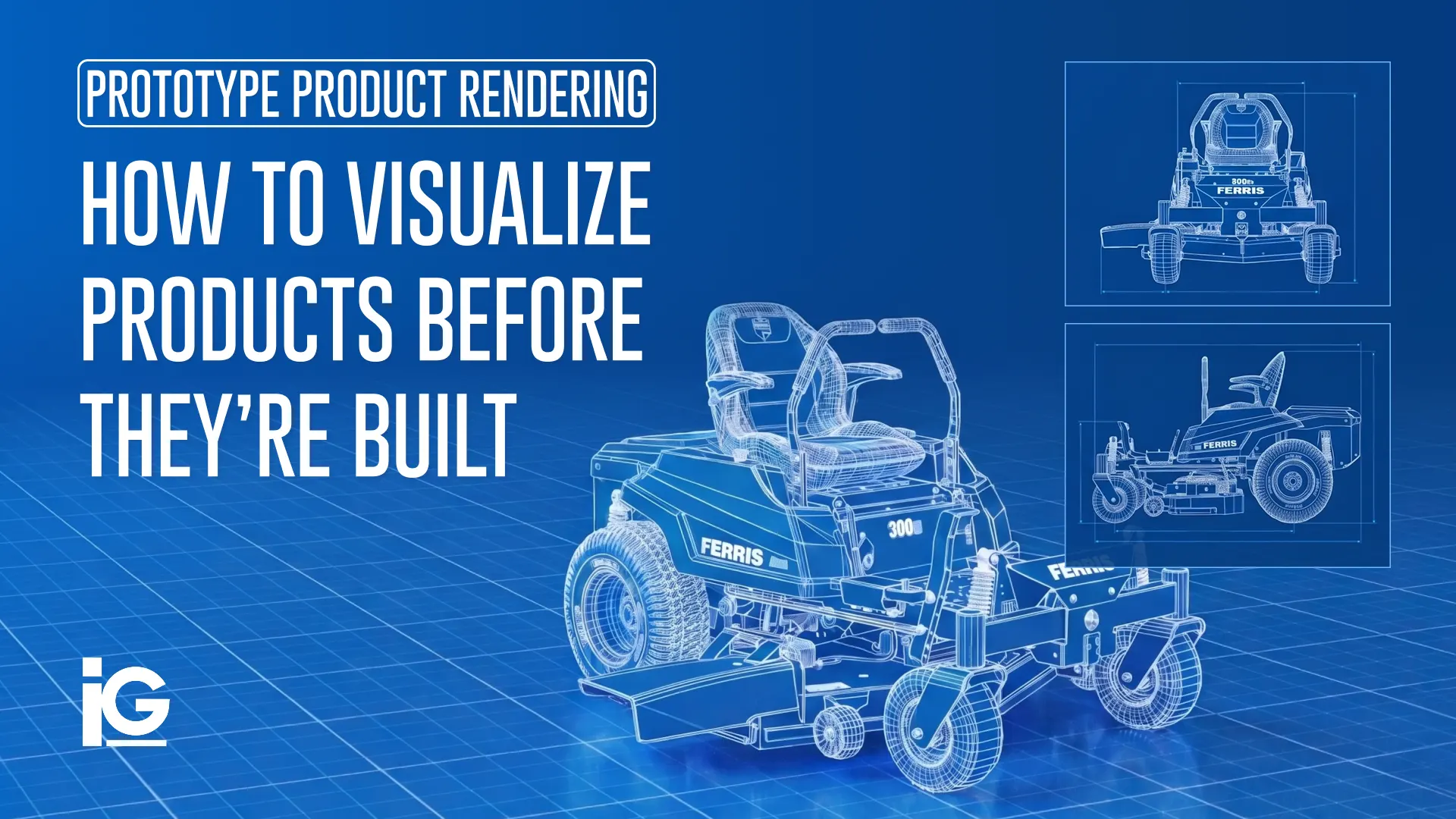
Commercial service animation is not bound by those constraints. It allows organizations to visualize services, systems, or prototypes that are still in development. Capabilities, workflows, and outcomes can be communicated clearly before anything is built, deployed, or installed.
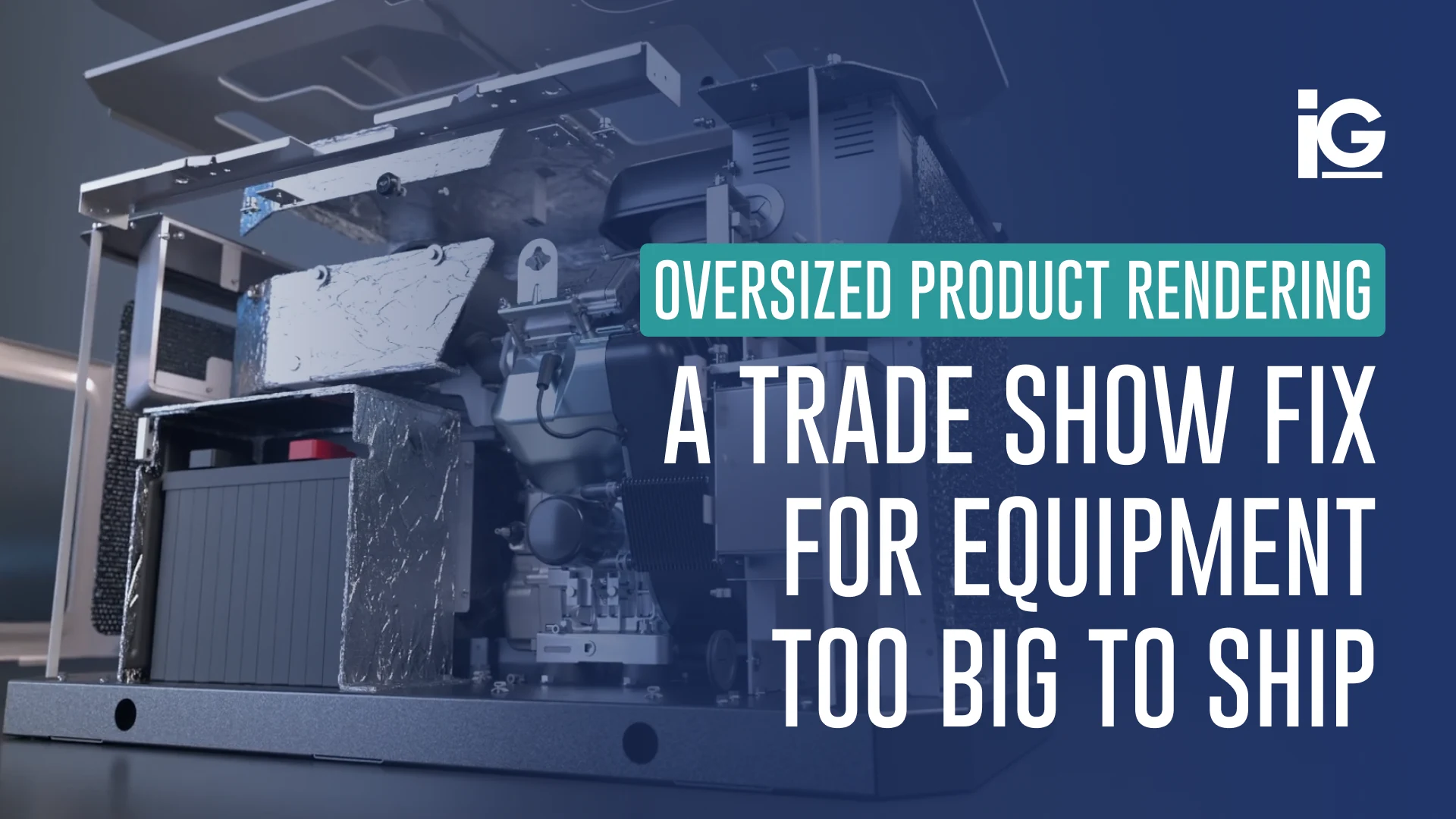
This approach is already common when visualizing complexity with 3D animation, particularly in equipment and system visualization, where internal mechanics or interactions cannot be filmed directly. The same advantage applies to service animation, especially when explaining how technical components work together over time.
Animation becomes especially valuable early in the lifecycle, when teams need to align stakeholders or explain intent without relying on real-world footage.
HOW COMMERCIAL SERVICE ANIMATION IS USED
Commercial service animation is typically applied where understanding directly affects outcomes. Common use cases include:
- Explaining technical or operational services
- Supporting sales conversations and presentations
- Trade show and experiential environments
- Customer onboarding and training
- Internal communication between teams
In each scenario, the objective is the same. Reduce friction by making the service easier to understand and easier to discuss.
ANIMATION IN COMMERCIALS
Animation has long been part of advertising, but recent campaigns illustrate how different approaches serve different goals.
Porsche
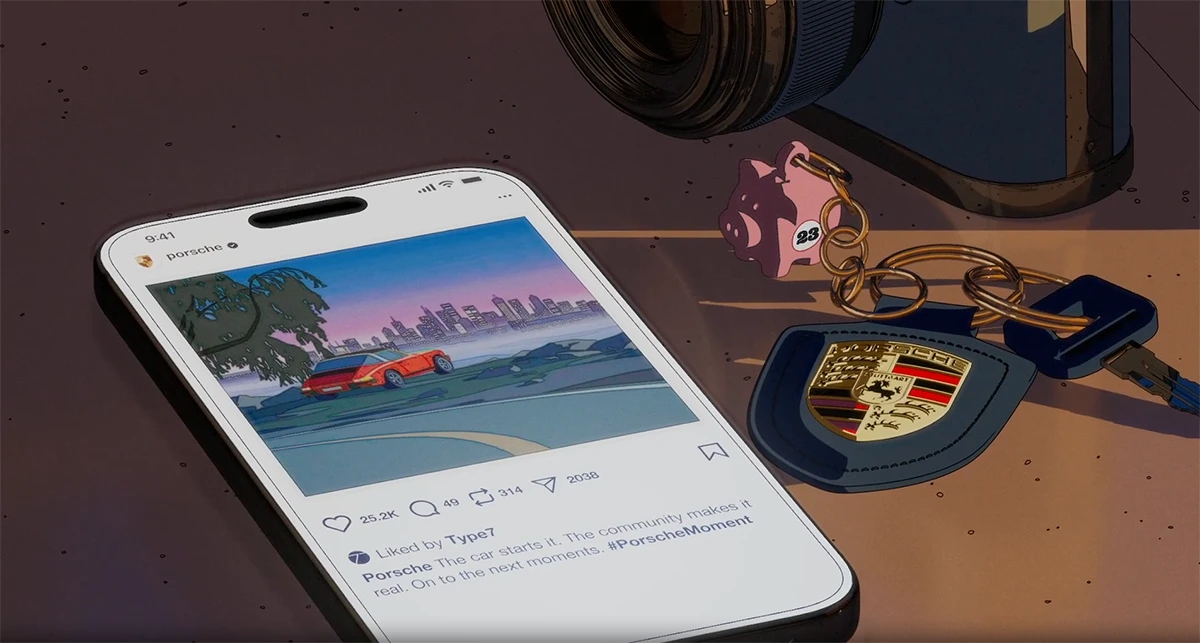
During the holiday season, Porsche launched a campaign featuring a handcrafted, 2D-inspired animated style. Developed by Parallel Studio, a Paris-based animation studio, the spot moved away from realism toward expressive motion, heritage, and craftsmanship.
The campaign gained attention when viewers initially assumed it was AI-generated, prompting Porsche to clarify that it was created through a human-led creative process. It serves as a clear example of how animation can be used selectively to reinforce meaning and intent, rather than visual spectacle.
McDonald’s Japan
McDonald’s Japan uses 2D animation as a consistent communication system across commercials and social content. Stylized characters and anime-influenced visuals allow the brand to release campaigns frequently while maintaining strong visual cohesion. Animation functions as an operational tool, enabling speed, clarity, and recognition at scale, with many spots animated by Urachan, an independent Japan-based artist known for a distinct, colorful, and expressive style.

AI-Generated Animated Ads
In recent years, several major brands have experimented with AI-generated animated commercials, using the technology to accelerate production and explore new visual styles. One of the most visible examples came in mid-2024, when Toys“R” Us released The Origin of Toys“R” Us, a brand film created largely with generative AI. The piece visualized the founder’s childhood and imagined the moment that inspired the brand’s creation.
Other global brands, including Coca-Cola, followed with AI-driven holiday campaigns, prompting debate around authenticity, craftsmanship, and creative intent. Audience reaction made one point clear: while AI can speed up production, trust and clarity still depend on narrative coherence.
That backlash also sparked response campaigns. Zevia’s Break from Artificial used deliberately uncanny AI visuals before shifting to real people and real ingredients, positioning the brand as an alternative to both artificial sweeteners and artificial marketing. BodyArmor took a similar approach with Field of Fake, opening on an AI-generated football stadium before cutting to real athletes under the tagline “No Substitute for Real.”
Together, these campaigns show that AI is becoming part of commercial animation, but its effectiveness still hinges on intent. Used thoughtfully, it can support a message. Used carelessly, it can distract from it.

As animation becomes more central to commercial communication, many organizations evaluate studios based on technical depth and industry focus, much as buyers assess animation companies in Knoxville and other regional markets when seeking specialized expertise.
WHEN ANIMATION IS USED TO EXPLAIN, NOT JUST TO PROMOTE
Animation is used across many forms of marketing, from brand campaigns to product advertising. What distinguishes commercial service animation is not the technique, but the intent behind it.
In brand advertising, animation often focuses on tone, emotion, or memorability. It may reference a service or capability, but it does not need to explain how anything works in detail.
Commercial service animation serves a different purpose. It is designed to explain processes, systems, and interactions clearly and accurately. Rather than prioritizing impression alone, it helps audiences understand how a service operates and how value is delivered.
For organizations offering technical or service-driven solutions, this distinction matters. When animation is used to explain rather than simply promote, it becomes a practical communication tool that supports alignment and reduces misunderstanding.
WHY ACCURACY MATTERS IN SERVICE ANIMATION
Simplifying a service does not mean removing essential details. When animation abstracts too far, it risks misrepresenting how a service actually works. This can create issues later in sales, onboarding, or delivery.
Accuracy also influences scope and cost. As with many animation projects, animation pricing varies based on complexity, accuracy requirements, and the availability of technical assets. Service-focused animation often requires deeper analysis, which directly impacts quality and outcomes.
Accuracy builds trust. Trust supports decision-making.
Effective commercial service animation balances clarity with technical integrity. It simplifies without distorting and explains without overstating capabilities.
HOW INFO-GRAPHICS SUPPORTS COMMERCIAL SERVICE ANIMATION
Info-graphics approaches commercial service animation from a technical, process-focused perspective, starting with a clear understanding of how a service or system works. This often includes reviewing engineering assets, workflows, or documentation to ensure accuracy.
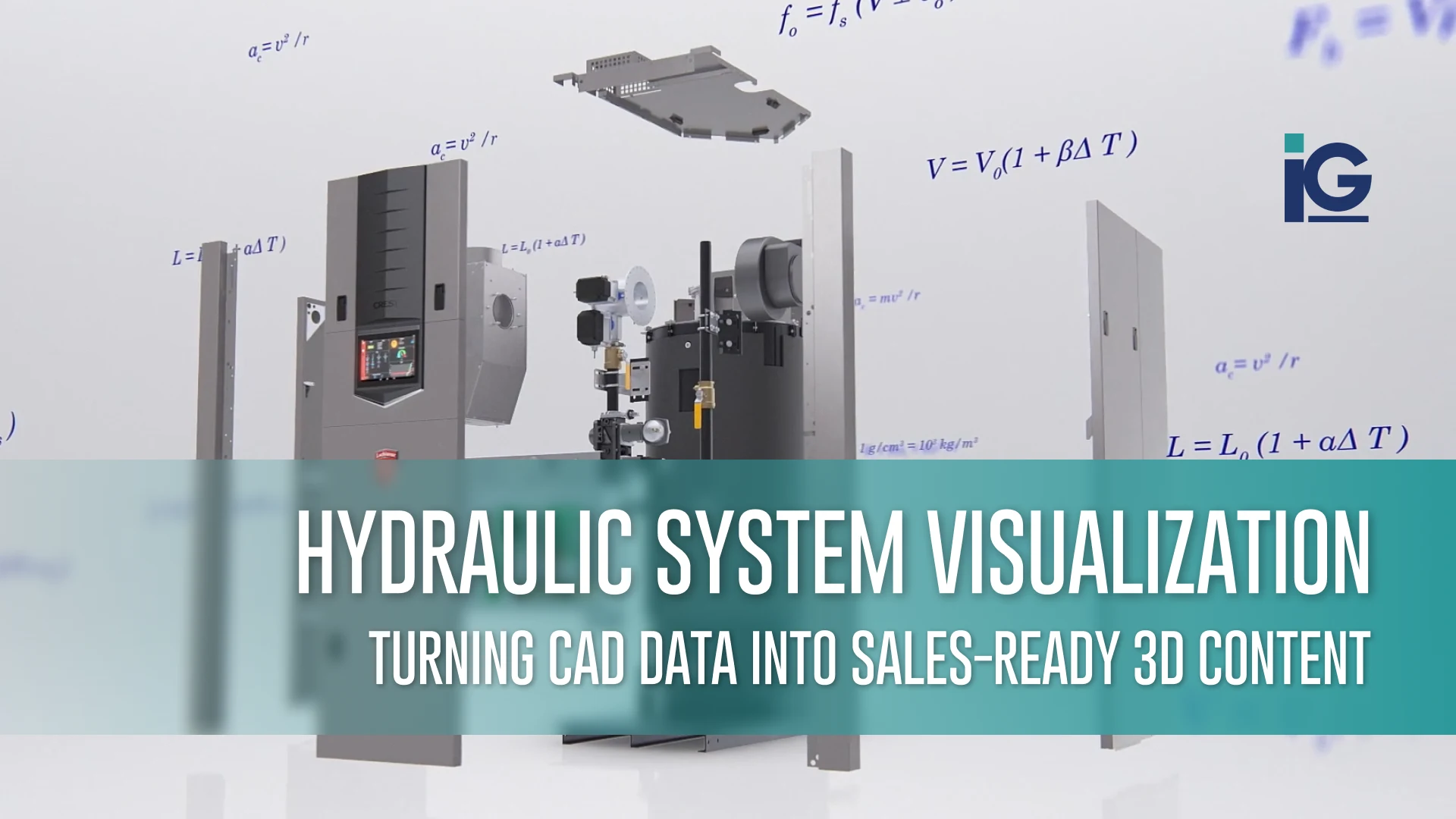
Support may include 2D and 3D animation, motion graphics, and CAD-based visualizations, with assets structured for clarity and reuse across channels.
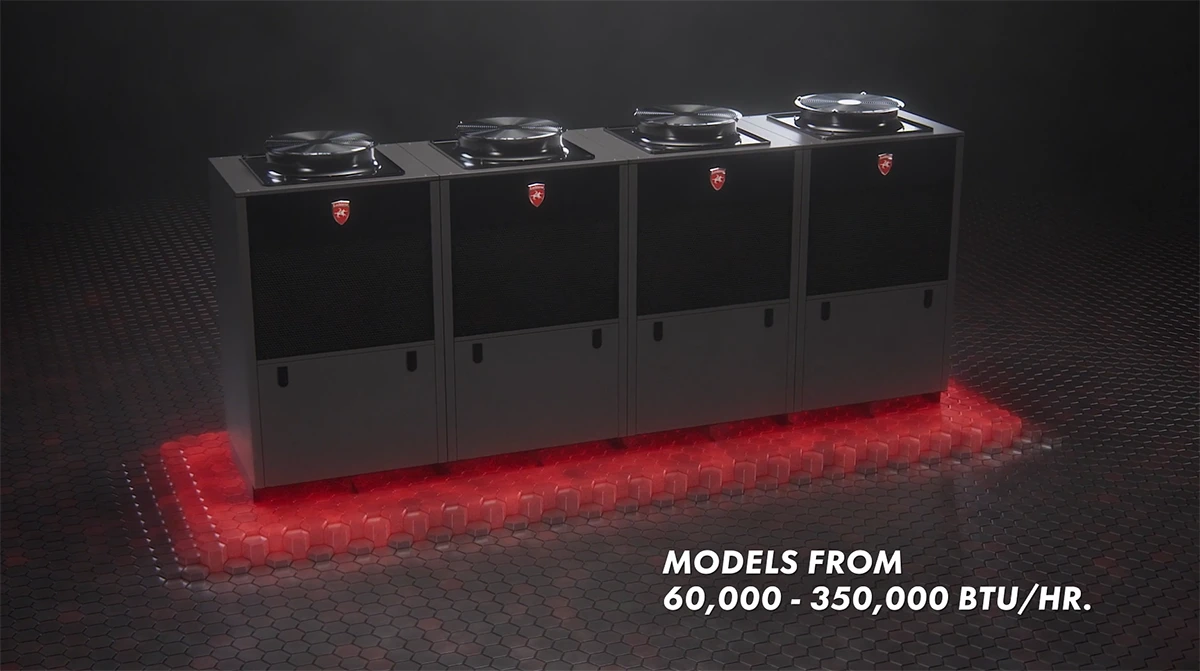
A recent example is the AHR 2025 Trade Show, where Info-graphics produced a 3D animated video for Lochinvar’s new Veritus heat pump. The animation highlighted the system’s energy-efficient technology and helped draw more visitors to the booth, increasing interest in the product during the show.
Frequently Asked Questions
What is commercial service animation used for?
It is used to explain how services work, especially when they involve complex processes, systems, or technical components.
Is commercial service animation only for large companies?
No. It is commonly used by mid-market and growing organizations that need to clearly communicate complex services.
How is this different from an explainer video?
Explainer videos often provide high-level summaries. Commercial service animation emphasizes accuracy, sequencing, and operational clarity.
Can AI be used in commercial service animation?
AI tools may assist parts of the process, but effective service animation still requires human oversight to ensure clarity, accuracy, and trust.
Do you need CAD or technical files?
Not always, but existing technical assets can improve accuracy and efficiency.
CLARITY IS THE COMPETITIVE ADVANTAGE
As services become more technical and less tangible, the challenge is no longer explaining what you offer, but how it works. Commercial service animation addresses this by making invisible systems visible and complex workflows easier to understand.
When used to explain services, visualize early-stage ideas, or align teams, animation provides clarity that traditional formats often cannot. Its effectiveness depends less on style and more on intent, prioritizing accuracy and structure, an approach reflected in how Info-graphics applies animation to technical communication.
For service-driven organizations, clarity is not a creative preference. It is a practical requirement.




Leave A Comment