

According to Forbes, 60–80% of B2B content goes unused.
Across industries, teams spend enormous time and resources producing materials that never reach their audience.
The irony?
Many organizations already hold the key to powerful, visual storytelling in their Computer-Aided Design (CAD) files.
As defined by Goodwin University, CAD refers to the use of computers to aid in the creation, modification, and optimization of designs. It’s a process that embodies precision, structure, and efficiency — the science that drives innovation.
But when those same technical assets are reimagined visually — as renders, animations, or interactive tools — they also become art: the storytelling force that transforms complex ideas into universal understanding.
CAD represents the science, logic, measurement, and intent. Visualization brings the art, emotion, clarity, and narrative.
Together, they form the foundation of every technical design firm: places where formulas meet feeling and design precision meets human perception.
The Problem: Precision Without Presence
CAD files are the foundation of product development. They capture geometry, dimensions, and design intent with remarkable precision.
Yet, after a prototype is finalized, these files often sit idle in archives while marketing and sales teams scramble to recreate the same visuals from scratch.
The result? Duplicated effort, disconnected messaging, and wasted potential.
This isn’t a creative problem — it’s a communication one.
Engineering teams already hold the science — the precision and truth. What’s often missing is the art of translation — a bridge that connects technical accuracy with human understanding.
That bridge is what a technical design firm builds every day: turning static data into dynamic visuals that inform, persuade, and inspire.
From Design Files to Market-Ready Visuals
Every visualization project begins with structure — verified geometry, material accuracy, and engineering integrity. These foundations ensure that every model, motion, and render reflects the real product.
From there, creativity takes over.
Designers experiment with lighting, texture, and composition to make technical information both accurate and emotionally engaging.
This back-and-forth between technical and creative disciplines follows a workflow that unites logic with imagination:
- Discovery – Aligning technical data with audience goals and project objectives.
- Structure – Preparing accurate 3D foundations based on verified CAD or design inputs.
- Visualization – Applying material physics, light simulation, and storytelling principles.
- Refinement – Balancing engineering validation with visual clarity and emotional tone.
- Integration – Delivering adaptable visuals ready for marketing, training, or interactive use.
At each stage, logic and imagination work in tandem — ensuring that precision supports creativity and design remains grounded in truth.
The result isn’t just aesthetic polish. It’s communication that moves ideas forward.
Making Engineering Understandable: The Role of a Technical Design Firm
A technical design firm is crucial for translating complex engineering concepts into clear, accessible visuals that anyone can understand. These visuals are not merely decorative; they are meticulously designed to communicate function alongside form with precision. Anchored in CAD models and engineering data, these graphics transform into powerful assets for sales presentations, training materials, product launches, and investor meetings.
In this dynamic, the combination of design science and storytelling ensures that teams align effectively, drastically reducing miscommunication and leading to quicker and more informed decision-making. By visualizing products before they reach the manufacturing stage, organizations minimize production risks, enhance collaboration, and guarantee that everyone operates with a shared visual language.
Project Highlight: Lochinvar — Turning Technical Design Into an Interactive Experience
When Lochinvar, a global leader in water heating and boiler manufacturing, set out to modernize how customers explore its products online, the challenge was clear:
How do you make complex engineering systems easy to understand — without losing technical depth?
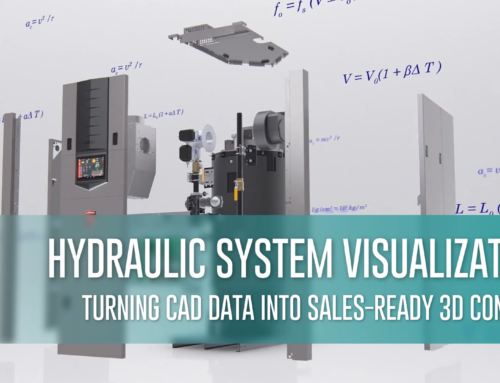
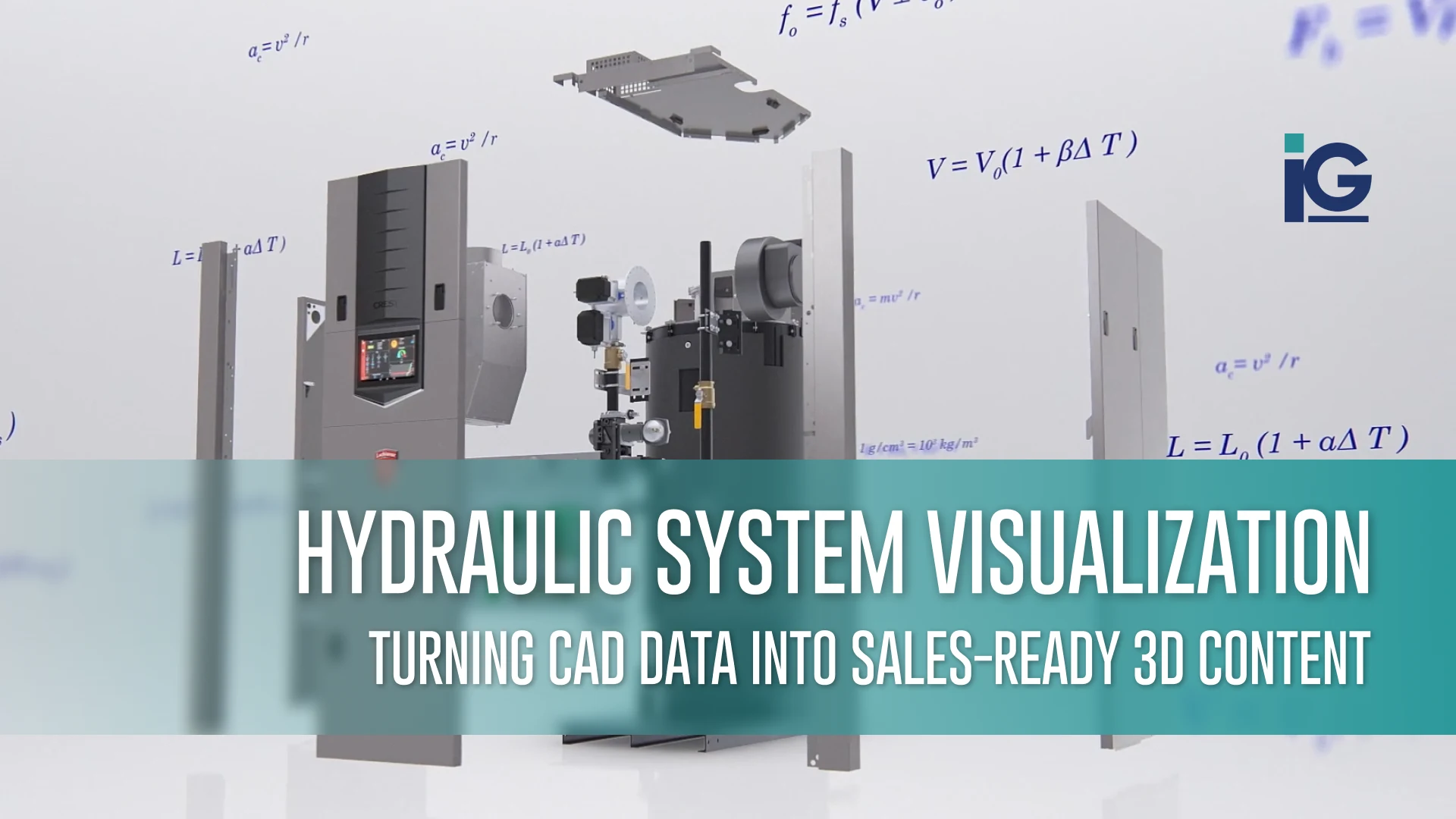
Info-Graphics partnered with Lochinvar’s technical and marketing teams to create an interactive 3D web application that transformed product data into an immersive visual experience.

Each model was built with engineering accuracy and refined with attention to detail, including lighting, materials, and motion, to demonstrate both how the system works and why it stands out. Users can view components in real time, explore cross-sections, and interact with details to gain a deeper understanding.
The result is more than a digital catalog — it’s a living demonstration of how art and science converge. Precision engineering evolved into visual storytelling; data became a means of discovery and insight.
Explore the complete case study: Interactive 3D Web Application for Lochinvar
A Framework Where Design Serves Understanding
The misconception that art and science are opposed has never truly captured the essence of innovation. In reality, every groundbreaking advancement in engineering, design, and storytelling thrives on the vital partnership between these two disciplines. This principle is at the core of every effective technical design firm, transforming complexity into clarity and innovation into real-world impact.
At Info-Graphics, we believe that art and science don’t merely exist side by side; they work hand in hand. One lends precision, while the other brings purpose. Together, they elevate design into genuine understanding. For us, this means empowering teams to visualize their creations, comprehend their significance, and present them compellingly to the world — all with the same precision and creativity that sparked their original ideas.
If you seek clarity in your designs, let’s embark on this journey together.





Leave A Comment