

You’ve likely heard the saying, “A picture is worth a thousand words.” In B2B sales — especially in manufacturing, automotive, and industrial sectors — that couldn’t be truer.
The challenge? Complex products are notoriously difficult to explain. The result is slower sales cycles, stalled conversations, and missed opportunities.
The Interactive 3D Model Viewer solves this problem. Turning complex designs into clear, interactive visuals helps users instantly understand a product’s value. Instead of reading about how something works, decision-makers can rotate, zoom, and explore the model themselves.
What Is an Interactive 3D Model Viewer?
An Interactive 3D Model Viewer is a browser-based tool that allows users to rotate, zoom, and explore a product in detail — no downloads or special software required. Instead of static PDFs or flat images, it provides an immersive, hands-on experience that makes complex products easier to understand.
In essence, it serves as a virtual product demo and a development accelerator — helping companies communicate better with customers while working smarter internally.
Why It’s a Better Way to Explain Products
When it comes to complex products, images communicate far more effectively than pages of technical text. Long descriptions often leave prospects confused or disengaged, while visuals deliver instant clarity. An Interactive 3D Model Viewer takes this even further — transforming static explanations into dynamic, hands-on experiences that eliminate the “Huh?” moments and keep buyers focused on the value.
1. Simplifies Complex Engineering
With a 3D viewer, even non-technical buyers can easily grasp design details, assembly processes, and product functionality. Instead of navigating through complex technical documents or interpreting CAD files, stakeholders can explore the product visually and intuitively. This approach reduces confusion, shortens the learning curve, and ensures that everyone—from executives to end-users—quickly and confidently understands complex processes, procedures, or a product’s value.
Moreover, 3D models provide a realistic expectation of the final product, enhancing collaboration among teams. Designers, engineers, clients, and manufacturers can all work from the same visual reference point, which improves communication and alignment while minimizing costly errors and delays.

2. Increases Buyer Engagement
Visuals play a critical role in how information is consumed and retained. Decision-makers are far more likely to remember content presented visually than text-heavy explanations.
The Design and Make 2025 survey echoes this, with most leaders reporting measurable improvements from digital transformation — many seeing gains of over 50%.
For B2B marketing, this means shifting from lengthy documents to visual-first formats, such as 3D models, which capture attention, simplify complexity, and drive stronger buyer engagement.
3. Reduces Sales Friction
One of the most significant barriers in B2B sales is the back-and-forth required to explain complex products. Long email threads, multiple PDF attachments, and repeated clarifications often slow down conversations and frustrate buyers.
An Interactive 3D Model Viewer reduces this friction by giving prospects a self-service way to explore products in real time. Instead of relying on lengthy explanations, they can rotate, zoom, and interact with the design directly — building confidence faster and moving through the buying process with fewer obstacles.
For example, Tesla Mechanical Designs adheres to a modeling philosophy centered on risk mitigation. By using advanced 3D visualization, they detect and resolve design imperfections, clashes, or assembly issues early — long before they become costly errors. Their use of parametric models also enables rapid adjustments, increasing agility and allowing for faster, more accurate iterations.
This approach highlights how interactive 3D visualization not only streamlines engineering but also removes friction from sales conversations, making complex products more transparent, easier to understand, and more compelling to purchase.
4. Supports Remote Selling
Physical prints still play a role in client engagement, but they can’t match the reach and flexibility of digital channels. In today’s online-first environment, a single product asset can be repurposed into multiple formats, reaching broader audiences and enabling more meaningful conversations that aren’t limited by geography or event schedules.
An Interactive 3D Model Viewer takes this further by allowing customers to engage directly with products online. These interactive experiences keep buyers on product pages longer and significantly improve conversion rates. In fact, Shopify reports a 94% average lift in conversions for merchants using 3D commerce, and 40% of shoppers say they’re willing to pay more for 3D-enabled experiences.
With this kind of impact, there’s no longer a need for costly physical samples. An Interactive 3D Model Viewer makes global product demos seamless, scalable, and far more cost-effective.
5. Differentiates Your Brand
In B2B markets, where complex products often look similar on paper, differentiation goes beyond price or specs. An Interactive 3D Model Viewer demonstrates innovation by showing that your company is committed to making the buying process more transparent, faster, and more customer-friendly.
By reducing reliance on physical samples, ensuring product representations align with real-world outcomes, and simplifying communication across technical and non-technical stakeholders, interactive visualization positions your business as a forward-thinking and reliable partner. This not only builds trust but also makes you easier to work with — a decisive advantage in long sales cycles where credibility matters.
From CAD to Customer: Bridging the Gap
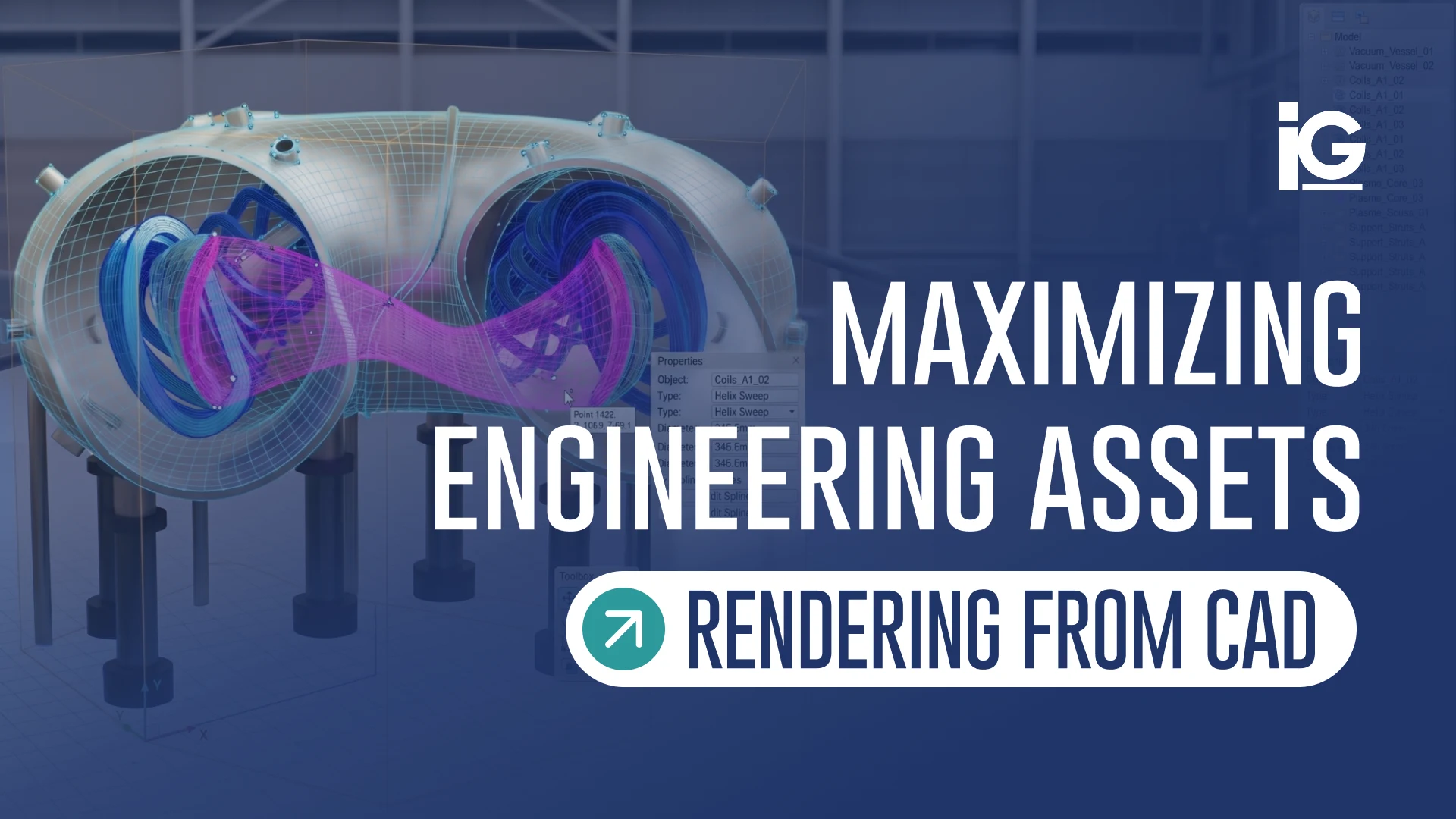
Turning technical designs into buyer-ready experiences takes more than a file conversion. An Interactive 3D Model Viewer creates a seamless path from engineering to sales:
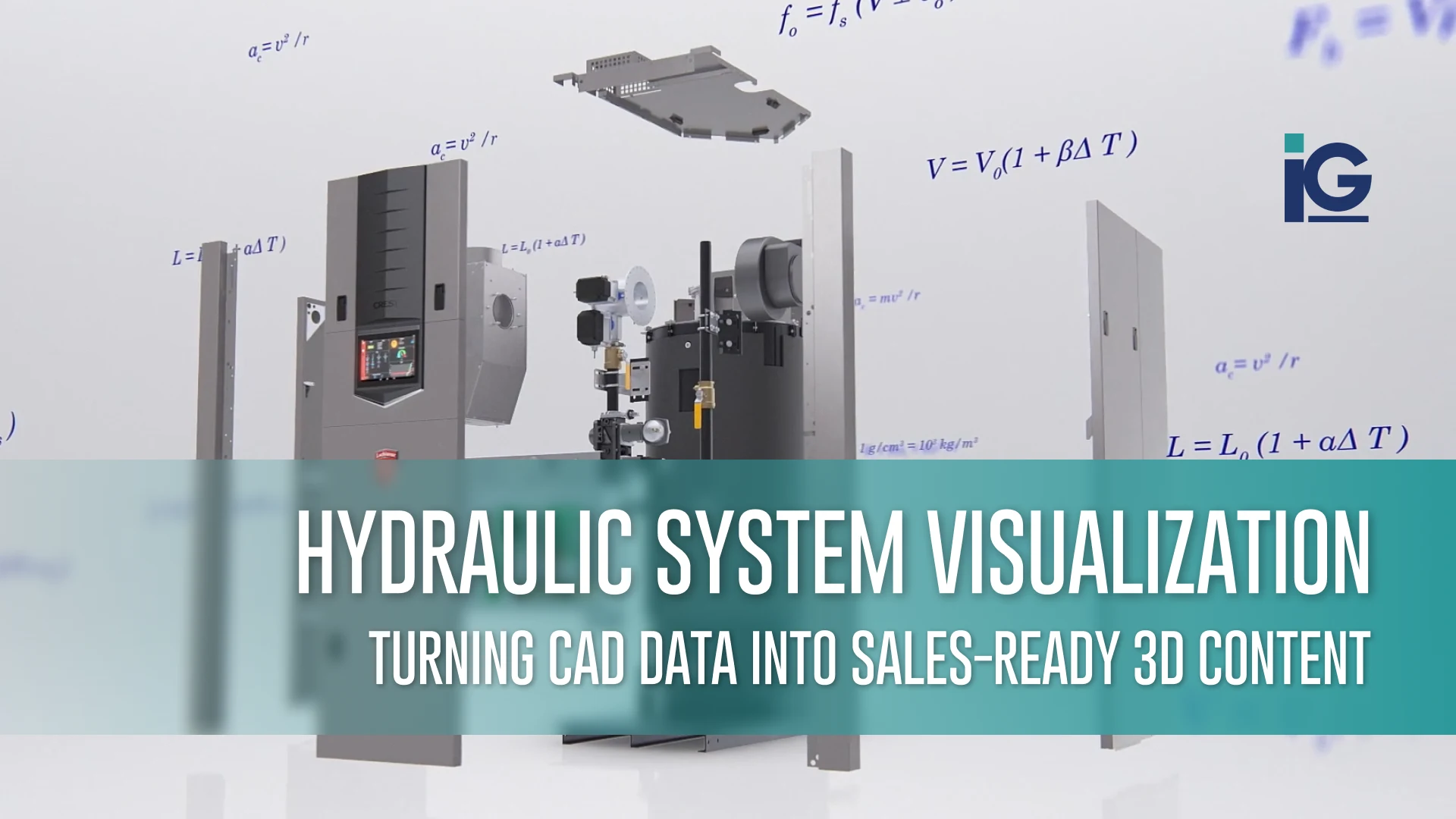
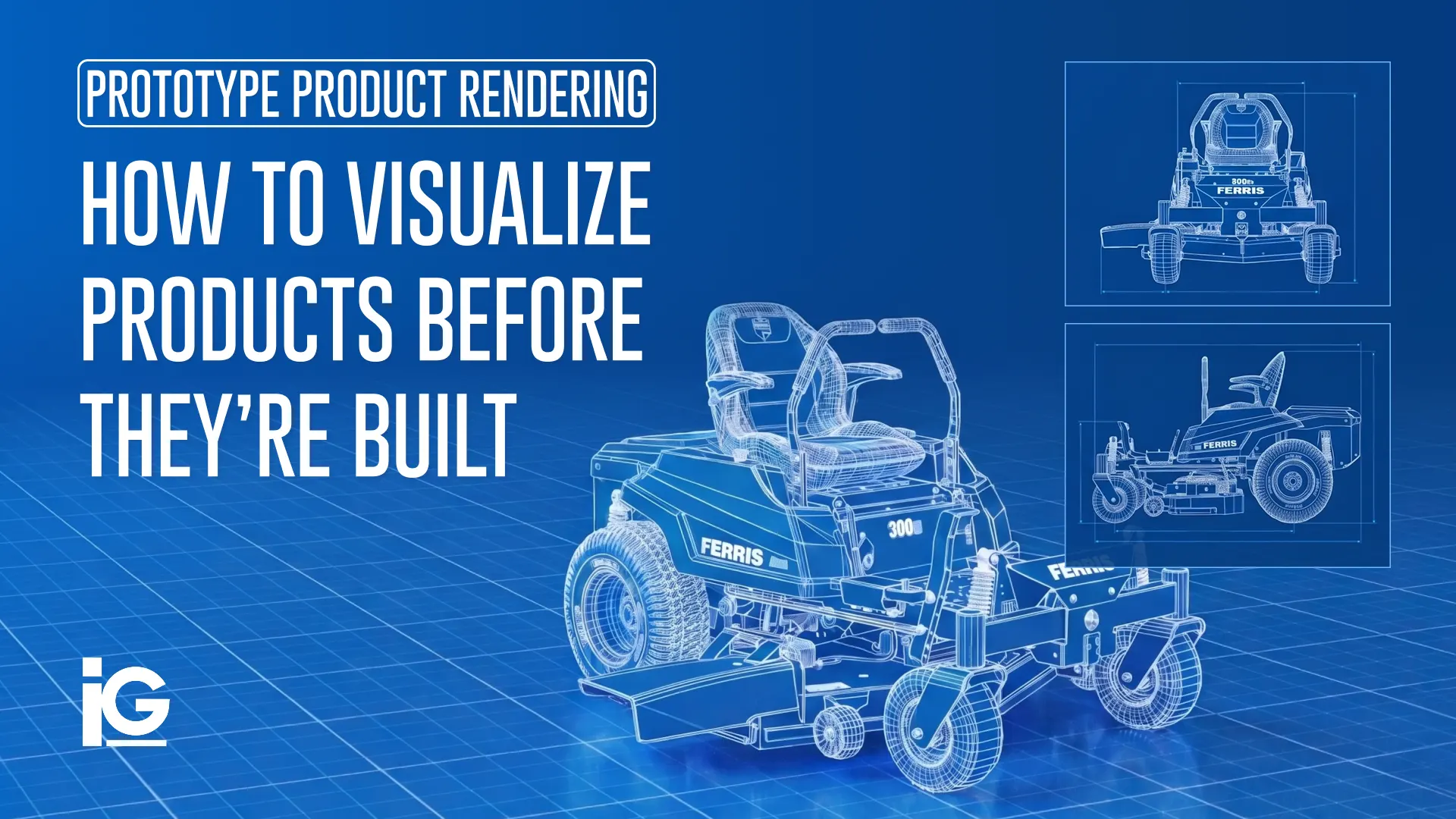
1. CAD Stage – Engineers build precise, technical models focused on design, development, and manufacturing.
2. Conversion Stage – CAD files are analyzed and optimized for repurposing into interactive and other formats.
3. Packaging Stage – colors, finishes, surfaces, and textures are added, creating a photo-real version of the finished product – additional copy and content are added to support sales, marketing, training, or educational messaging
4. Viewer Stage – Products are hosted online for easy access and sharing.
5. Customer Stage – Buyers explore, understand, and make confident decisions faster.
This process preserves the accuracy engineers need while giving customers the clarity they expect.

Where It Works Best
- Industrial Machinery – Demonstrate moving parts and safety features with clarity.
- Medical Devices – Showcase precision design without overwhelming technical detail.
- Construction & Engineering – Visualize scale, fit, and integration before building.
- Consumer Products – Allow buyers to preview finishes, form, and functionality in real time.
Ready to Show, Not Just Tell?
Today’s buyers don’t just want information — they want experiences that help them see and believe in your product. Static files and brochures can’t deliver that clarity, but interactive 3D experiences can. By transforming complex models into dynamic, hands-on demonstrations, manufacturers bridge the gap between engineering precision and customer confidence, building trust while accelerating decision-making.
At Info-Graphics, we don’t just render products — we bring them to life. From CAD to customer, we create interactive, buyer-ready experiences that make your products easier to understand, easier to trust, and easier to choose.
Ready to cut through complexity and show your products the way they’re meant to be seen? Let’s build your interactive model viewer together!




Leave A Comment